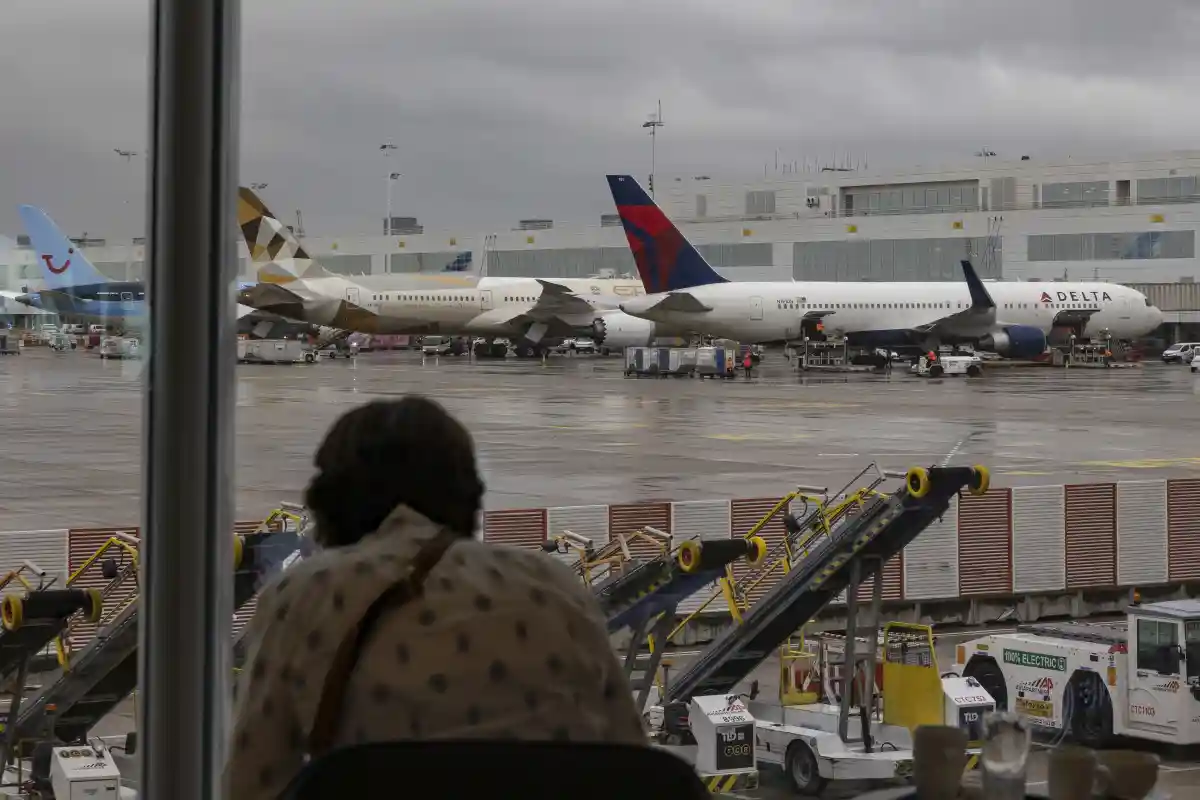
As the 2025 summer travel season approaches, Canadians are urged to reconsider their international travel plans, with Global Affairs Canada issuing urgent travel warnings for several countries, including the United States, Mexico, Thailand, Cuba, Panama, Peru, India, Qatar, Germany, and Costa Rica. These warnings highlight escalating global risks stemming from a mix of geopolitical tensions, natural disasters, and rising crime rates in popular tourist destinations.
In the Middle East, conflicts between Israel and Iran are creating instability, while in countries like Mexico and Peru, violence and civil unrest continue to escalate. Meanwhile, countries such as Thailand and India are experiencing political instability, with protests and safety concerns in key regions. Global Affairs Canada’s updated advisory underscores the need for vigilance and preparedness as travelers face unpredictable conditions in these areas. With increasing travel disruptions, natural calamities, and heightened security risks, Canadians are being urged to reconsider their travel plans to avoid dangerous situations.
Middle East: Heightened Security and Safety Concerns
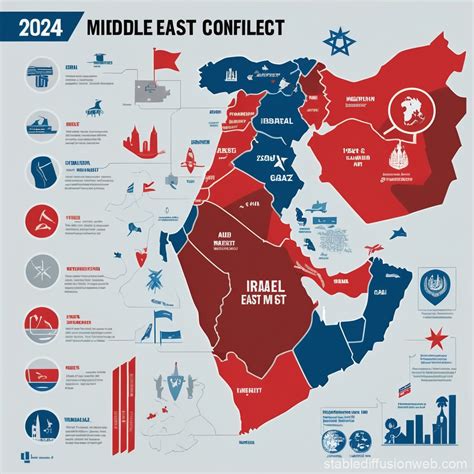
Countries in the Middle East have received strict travel warnings, urging Canadians to avoid or limit travel due to heightened security risks. The ongoing conflict between Israel and Iran has exacerbated instability across the region, with many areas, especially those close to military conflict zones, deemed unsafe for travelers. The Canadian government advises all travelers to stay informed about local developments, especially as flight disruptions, border closures, and emergency evacuations may occur without warning.
United States: Domestic Unrest and Growing Safety Concerns
Even the United States, traditionally a top destination for Canadians, is now facing increasing uncertainty. While the U.S. still maintains a “take normal safety precautions” rating, a recent national survey revealed that many Canadians feel unwelcome and unsafe in the country. In particular, large-scale demonstrations and ongoing civil unrest in cities like Los Angeles have raised concerns about potential violence and public disturbances. As of June 7, 2025, Canada’s travel advisory for the U.S. has been updated in response to these growing tensions.
Boom in Domestic Travel as Canadians Explore Their Own Country
With safety concerns abroad, more Canadians are opting to explore domestic destinations. There has been a notable increase in flight searches within Canada, particularly to cities like Edmonton, Calgary, and Winnipeg. To promote regional tourism, the federal government has introduced the “Canada Strong Pass,” offering free or discounted admission to national parks, museums, and VIA Rail trips, encouraging Canadians to enjoy their own country’s natural and cultural wonders this summer.
Mexico: Natural Disasters and Violence Prompt Travel Warnings
Mexico’s safety risks have been further exacerbated by Hurricane Erick, which made landfall on June 19, 2025, causing severe flooding, landslides, and significant disruptions to essential services. Travelers are strongly advised to avoid non-essential trips to affected areas along the Pacific coast, particularly between Bahías de Huatulco and Acapulco. Additionally, rising violence in regions like Sinaloa has raised concerns about road safety, as armed groups have been blocking highways and engaging in violent confrontations.
Cuba: Widespread Shortages and New Visa Requirements
Cuba continues to struggle with widespread shortages of food, water, and medication, which have disrupted daily life for both locals and tourists. Some resorts have experienced service interruptions due to limited resources. Starting July 1, 2025, all travelers to Cuba will be required to present an electronic visa upon arrival, including those traveling via third countries. Visitors are advised to prepare adequately by bringing necessary supplies, especially when venturing outside the major resort areas.
Thailand: Political Instability and Safety Precautions
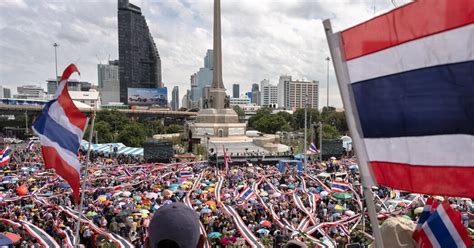
Thailand remains a country of concern for travelers due to ongoing political instability. Demonstrations in cities like Bangkok continue, with authorities holding broad powers to impose curfews, restrict movement, and censor media without prior notice. In the southern provinces of the country, violence related to separatist insurgencies has prompted a blanket advisory to avoid these regions, where martial law is currently in place. Travelers are advised to stay alert in the rest of the country, especially in areas close to Myanmar and Cambodia, where occasional clashes and security threats may arise.
Qatar: Security Risks Linked to Regional Tensions
Although Qatar itself remains relatively stable, it is not immune to the risks posed by the broader regional tensions between Israel and Iran. The Canadian government has warned of potential airspace disruptions, flight cancellations, and sudden border closures due to the ongoing conflict. Travelers in Qatar are advised to monitor local news closely and follow all instructions from authorities, as the situation could escalate unexpectedly. Canadians in neighboring high-risk areas such as Iran and Israel are advised to take shelter in safe locations and follow civil defense guidelines.
Panama, Peru, and India: Regional Travel Concerns
Panama faces ongoing instability due to widespread protests and rising crime levels in provinces like Bocas del Toro and Colón. Tourists are urged to check travel routes in advance and remain cautious in high-risk areas, particularly after dark. Peru has also been flagged for its ongoing social unrest, with the government imposing a state of emergency in certain regions due to drug trafficking and criminal activity. Travelers are strongly advised to avoid non-essential travel to these areas, especially near the VRAEM corridor and Colombia’s border. In India, tensions between India and Pakistan have heightened the risk near the border, with landmines and unexploded ordnance posing significant dangers. The Union Territory of Jammu and Kashmir has been flagged for travel avoidance due to ongoing terrorism and civil unrest. Travelers should remain cautious, particularly in regions with anti-Canada sentiment or those affected by insurgent activity.
Germany, Costa Rica, and the U.S.: Continued Security Threats
Germany is maintaining heightened security measures due to concerns about terrorism and irregular migration, with temporary border controls in place through at least September 2025. In Costa Rica, crime remains a significant safety concern, particularly in tourist-heavy areas where theft and pickpocketing are common. Meanwhile, the United States continues to face the possibility of mass demonstrations and curfews, further elevating concerns about public safety and security.
Conclusion: Stay Informed and Exercise Caution
As the summer travel season approaches, Canadians are encouraged to remain vigilant and well-informed about the safety risks present in international destinations. With geopolitical tensions, natural disasters, and rising crime rates affecting multiple regions, it is crucial for travelers to monitor official advisories, plan accordingly, and adjust their travel plans to ensure their safety while abroad.