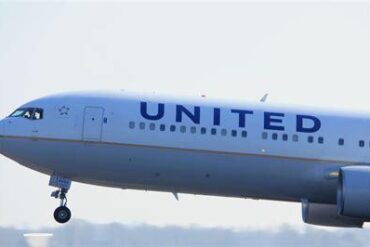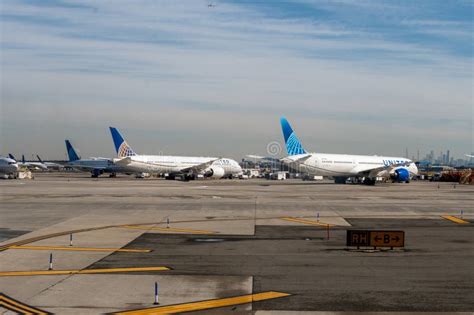
The United States aviation sector is currently grappling with a critical setback, as United Airlines, one of the nation’s largest carriers, struggles to contain operational disruptions at Newark Liberty International Airport (EWR). These issues have culminated in a significant Q2 earnings dip, painting a stark picture of the challenges facing the country’s aviation infrastructure and corporate airline management.
Newark Airport Crisis: The Epicenter of United Airlines’ Troubles
The operational meltdown at Newark Liberty International Airport, a strategic hub for United Airlines, has been both prolonged and severe. Issues began surfacing earlier this spring, snowballing into widespread disruptions that severely strained the airline’s logistical network. Newark, handling millions of passengers annually, faced a perfect storm of challenges, including:
- Acute shortages of air traffic controllers, causing scheduling bottlenecks.
- Persistent equipment malfunctions, affecting both runway operations and terminal logistics.
- Major runway construction projects, limiting aircraft movements and contributing to flight delays.
This combination of operational hazards severely impacted United’s scheduling integrity, leading to cascading delays, last-minute cancellations, and frustrated passengers. The situation has tarnished Newark’s reputation as a reliable hub, with the airport becoming a symbol of wider inefficiencies in the U.S. aviation framework.
Financial Fallout: Q2 Earnings Reflect Newark’s Toll on United Airlines
The financial implications of the Newark crisis became evident when United Airlines reported a 1.2 percentage point drop in its Q2 earnings. This downturn is directly attributed to the compounded disruptions at Newark, which functions as a critical artery for United’s domestic and international operations. The airline’s stock fell 3% in premarket trading following the announcement, reflecting shaken investor confidence.
United’s dependency on Newark as a gateway hub intensified the impact of these operational setbacks. As delays rippled through its network, the airline was forced to grapple not only with immediate revenue loss but also with longer-term reputational damage. Industry analysts argue that this Q2 dip underscores the vulnerability of airlines relying heavily on congested legacy hubs like Newark.
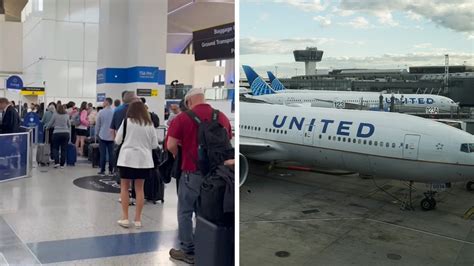
Signs of Stabilization: Is the Worst Over for United Airlines?
Despite the grim figures, there are early indicators suggesting that United Airlines may have turned a corner. With the recent completion of the runway construction project, coupled with newly imposed flight limits, Newark’s operational capacity has seen modest improvement. During the busy July Fourth travel window, Newark notably outperformed the other New York-area airports in terms of on-time arrivals—a rare bright spot for United’s operations team.
However, experts caution that such stabilization remains fragile. Structural challenges, such as ongoing air traffic controller shortages, cannot be resolved overnight. United’s management acknowledges that sustained recovery will depend on continued operational reforms, strategic investments in personnel and technology, and potentially a reevaluation of Newark’s role in its broader hub network.
Premium Revenue: The Silver Lining in United’s Struggle
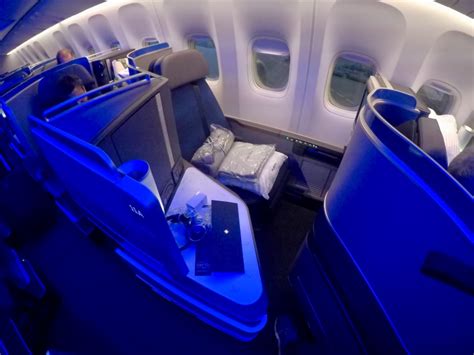
Interestingly, while the Newark chaos battered United’s core operations, the airline found solace in its premium services division. In Q2, premium revenue rose by 5.6% year-over-year, reflecting robust demand for higher-tier products like Polaris business class and Premium Plus seating. This trend mirrors a broader industry shift, where post-pandemic travelers are showing a distinct preference for comfort and exclusivity.
United’s management is keenly aware of this silver lining, viewing premium revenue as a vital buffer against economic turbulence. The airline’s ability to attract affluent customers suggests that, if operational efficiencies can be restored, profitability could rebound swiftly. This strategic focus on premium offerings may also pave the way for differentiated growth, setting United apart from its budget-centric competitors.
The Bigger Picture: Newark’s Crisis and U.S. Aviation Infrastructure Challenges
United’s struggles at Newark are symptomatic of broader systemic issues plaguing U.S. aviation infrastructure. Aging airport facilities, chronic underinvestment in air traffic management systems, and workforce shortages have long been points of concern. Newark Liberty, despite its strategic importance, exemplifies how these infrastructural deficiencies can cascade into operational disasters.
Policy experts argue that United’s crisis should serve as a wake-up call for federal regulators and industry stakeholders alike. Without significant upgrades to critical airport infrastructure and modernization of air traffic control systems, similar disruptions are likely to recur—not just at Newark, but across other congested hubs.
Operational Recovery Plans: United Airlines’ Strategy Moving Forward
To address these challenges, United Airlines has unveiled a multi-pronged recovery strategy aimed at fortifying its operations:
- Strengthening workforce capacity, particularly through aggressive recruitment and retention of air traffic professionals.
- Enhancing technological investments, focusing on predictive analytics and real-time operational monitoring.
- Revising Newark’s operational blueprint, including potential rerouting of certain flights to mitigate congestion.
- Increasing reliance on premium product lines to maximize revenue from higher-yield customers during the recovery phase.
United’s leadership remains cautiously optimistic, asserting that these initiatives, combined with lessons learned during the spring disruptions, will enable the airline to emerge stronger and more resilient.
Market Response and Future Outlook: A Cautious Optimism
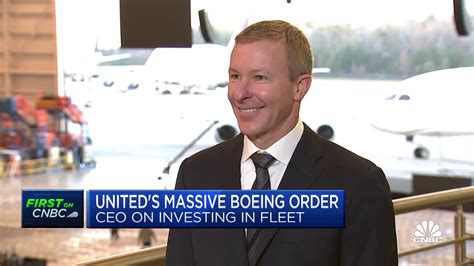
While Wall Street’s initial reaction to United’s Q2 results was undeniably negative, some industry analysts believe that the worst might already be behind the airline. The combination of stabilized operations at Newark and solid demand for premium services suggests a foundation for gradual recovery. However, sustained performance will hinge on United’s ability to execute its operational recovery plan effectively.
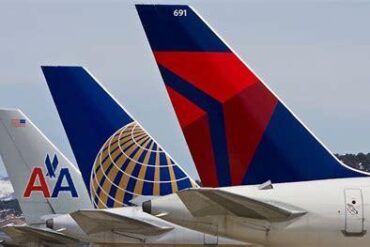
In the competitive U.S. aviation landscape, where rivals like Delta Air Lines and American Airlines vie for market share, United cannot afford prolonged inefficiencies at its primary hubs. The coming months will thus prove critical in determining whether United Airlines can regain its operational momentum and restore shareholder confidence.
Conclusion: A Defining Moment for United Airlines and U.S. Aviation
The recent setbacks experienced by United Airlines at Newark Liberty International Airport are more than just an operational hiccup—they represent a defining moment for the airline and, arguably, the broader U.S. aviation industry. The crisis at Newark has exposed latent vulnerabilities in both corporate airline strategy and national aviation infrastructure.
While United’s premium revenue performance offers a glimmer of hope, systemic reforms will be essential to prevent future disruptions. Whether through infrastructural investments, workforce development, or operational innovation, United Airlines now stands at a crossroads. Its response to this crisis may well dictate its trajectory in the evolving global aviation market.