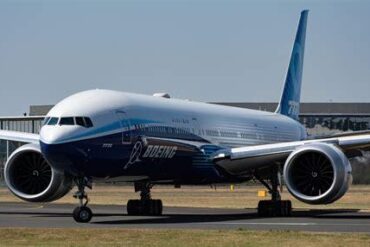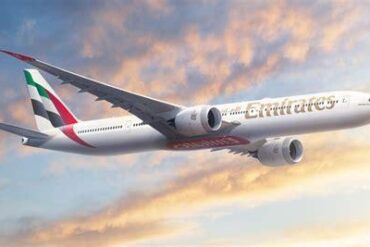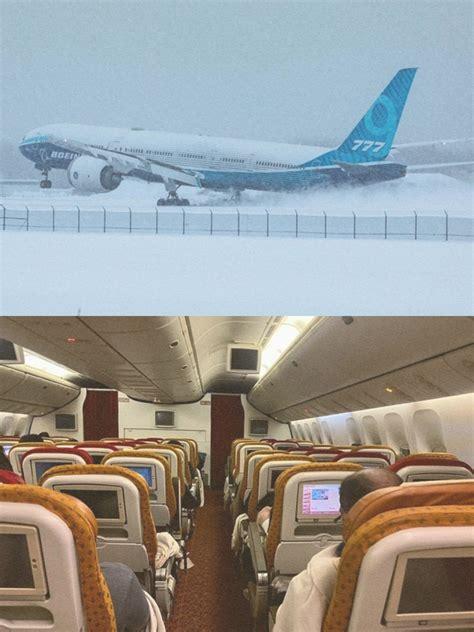
The Boeing 777X was supposed to be one of the defining commercial aircraft programs of the twenty-first century. Instead, it has become one of the most delayed and expensive airliner developments in modern aviation history. What was originally expected to enter service in 2020 is now targeting 2027 for initial deliveries, with billions of dollars in cost overruns and years of regulatory, engineering, and certification challenges standing between Boeing and its customers.
Yet despite years of frustration, airlines continue to hold onto their orders.
That raises an important question: What will airlines actually do if Boeing delays the 777X once again?
The answer is more complicated than simply canceling orders. For many carriers, abandoning the aircraft would create even bigger problems than waiting for it. Airlines have already invested years of planning around the arrival of the world’s largest twin-engine passenger aircraft. Their network strategies, fleet replacement programs, and long-term growth forecasts increasingly depend on the jet eventually entering service.
The reality is that most airlines are preparing backup plans while simultaneously keeping their positions in the delivery queue.
The Boeing 777X Has Become Too Important To Abandon
The 777X occupies a unique position in the aviation market. It promises to combine the passenger capacity traditionally associated with four-engine giants like the Boeing 747 and Airbus A380 with the fuel efficiency of modern twin-engine aircraft.
For airlines operating high-demand international routes, there is currently no direct alternative that offers exactly the same balance of capacity, range, and economics.
The flagship Boeing 777-9 is designed to carry approximately 426 passengers in a standard two-class configuration while maintaining impressive long-haul performance. Meanwhile, the smaller 777-8 offers ultra-long-range capability that appeals to airlines operating some of the world’s longest routes.
Because of these characteristics, carriers did not order the aircraft simply because it was new. They ordered it because it solves specific network challenges that other aircraft cannot fully address.
A cancellation today would mean giving up access to a product many airlines still view as strategically essential for the next two decades.
After waiting this long, few carriers are willing to walk away.
Why Another Delay Would Create Major Problems For Airlines
Every year of delay creates additional operational pressure.
Many airlines originally expected the 777X to replace aging fleets of Boeing 777-300ERs, Boeing 747s, Airbus A340s, and even Airbus A380s. Those retirement plans were developed years ago based on Boeing’s original delivery schedule.
When the aircraft failed to arrive on time, airlines were forced to revise those plans repeatedly.
The longer the delays continue, the more difficult those adjustments become.
Aircraft that were intended to be retired remain in service far beyond their optimal operating lives. Maintenance expenses increase. Fuel efficiency deteriorates relative to newer models. Spare parts become more expensive. Cabin products begin to look outdated compared with competitors.
For airlines competing in premium long-haul markets, these factors directly affect profitability.
Another significant delay would force carriers to continue operating older aircraft for even longer periods, increasing both costs and operational complexity.
Emirates Faces The Greatest Exposure
No airline is more closely tied to the success of the 777X than Emirates.
With 270 aircraft on order, the Dubai-based giant has made the program central to its future growth strategy. The scale of its commitment exceeds that of any other customer.
Emirates built much of its global network around large aircraft operating through its Dubai hub. For years, the Airbus A380 and Boeing 777-300ER formed the backbone of that strategy.
The 777X was expected to become the natural successor.
Instead, Emirates has found itself repeatedly adjusting its plans as delivery dates continue to move further into the future.
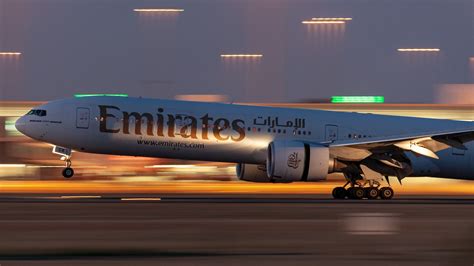
The airline’s response offers perhaps the clearest indication of what carriers will do if Boeing delays again.
Rather than canceling orders, Emirates has chosen to extend the operational life of its existing fleet.
Aircraft that might otherwise have been retired remain active. Extensive maintenance programs have been implemented. Large-scale cabin refurbishment projects have been launched to keep passenger experience standards competitive.
The airline has reportedly invested billions of dollars upgrading existing Boeing 777-300ERs and Airbus A380s. These investments would not be necessary if replacement aircraft were arriving on schedule.
A further delay would likely accelerate this strategy rather than reverse it.
Emirates would continue modernizing existing aircraft while waiting for the eventual arrival of the 777X.
Airbus Is Already Benefiting From Boeing’s Problems
Although airlines are not abandoning the 777X in large numbers, Airbus has unquestionably gained from Boeing’s struggles.
Many carriers have increased purchases of Airbus widebody aircraft as a hedge against ongoing uncertainty.
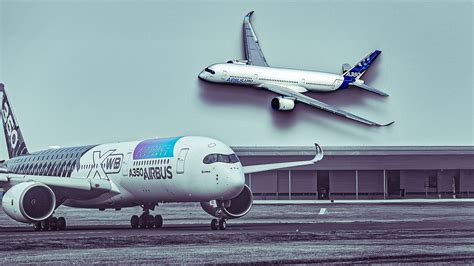
The Airbus A350 has emerged as the primary beneficiary.
The aircraft offers excellent fuel efficiency, strong passenger appeal, and proven operational reliability. Most importantly, it is available today rather than years in the future.
This explains why airlines that remain committed to the 777X are simultaneously expanding their Airbus fleets.
Emirates itself has ordered additional A350s despite maintaining one of the industry’s largest 777X commitments.
This dual-track strategy allows airlines to protect themselves against future disruptions while preserving access to the aircraft they ultimately want.
If Boeing delays again, Airbus could receive even more orders from carriers seeking near-term capacity solutions.
That does not necessarily mean airlines will cancel 777X purchases. Instead, they may simply buy more Airbus aircraft alongside them.
Lufthansa’s Backup Plan Reveals The Industry’s Thinking
Lufthansa provides another useful case study.
The German carrier has 27 Boeing 777Xs on order and has spent years planning around their eventual arrival.
Unlike Emirates, however, Lufthansa has been pursuing a more diversified fleet strategy.
Its widebody fleet includes Airbus A350s, Airbus A380s, Boeing 747s, Boeing 787s, and Airbus A340s.
This diversity gives Lufthansa more flexibility when facing delivery delays.
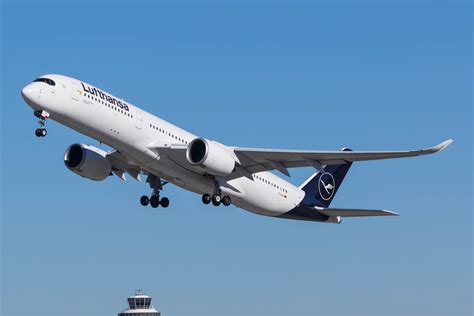
The airline has openly discussed contingency planning in case Boeing misses future delivery targets.
Rather than relying solely on the 777X, Lufthansa continues introducing other modern aircraft into service. The carrier has also carefully managed retirement schedules for older jets.
Some aircraft originally expected to leave the fleet have remained operational longer than planned.
Others have received temporary extensions while replacement capacity remains unavailable.
If Boeing delays again, Lufthansa will likely continue this balancing act.
The airline may retain selected older aircraft longer, expand utilization of newer Airbus and Boeing models already entering service, and adjust network planning accordingly.
This approach minimizes disruption while preserving its place in the 777X queue.
Why Airlines Are Unlikely To Cancel Their Orders
At first glance, cancellation might appear logical.
After all, airlines have endured years of uncertainty and mounting costs.
However, the economics of cancellation are less attractive than many observers assume.
The primary reason is simple: there is no perfect substitute.
The Airbus A350 is an excellent aircraft, but it does not fully replicate the role of the larger 777-9. Airlines that selected the Boeing jet often did so because they needed its specific combination of capacity and efficiency.
Cancelling an order means surrendering a position in the delivery queue for an aircraft many industry leaders still believe will redefine long-haul operations.
Once the aircraft enters service and proves successful, obtaining new delivery slots could become significantly more difficult.
For carriers planning decades into the future, that possibility carries enormous strategic consequences.
As a result, waiting often appears more attractive than starting over.
The Delivery Queue Has Become A Strategic Asset
One of the most overlooked aspects of the 777X program is the value of queue position.
Aircraft manufacturing capacity is limited.
Even after certification, Boeing will not be able to deliver hundreds of aircraft immediately. Production will ramp up gradually over several years.
Airlines already holding early positions therefore possess something valuable.
They are closer to receiving the aircraft than potential future customers.
If a carrier cancels today and later changes its mind, it may find itself waiting many additional years for delivery.
That reality discourages cancellations.
Many airlines view their order positions as strategic assets that must be protected regardless of short-term frustrations.
This is especially true among large international carriers whose future growth plans depend on securing enough long-haul capacity.
Why US Airlines Are Watching From The Sidelines
An interesting aspect of the 777X story is the absence of major US airline customers.
American Airlines, Delta Air Lines, and United Airlines have all avoided ordering the aircraft.
Their decisions reflect broader changes in long-haul aviation.
Instead of relying on extremely large aircraft, US carriers increasingly favor smaller, more flexible widebodies such as the Boeing 787 and Airbus A350.
These aircraft allow airlines to serve more routes with lower risk and reduced pressure to fill hundreds of seats on every flight.
Because they are not dependent on the 777X, US airlines face none of the capacity challenges confronting Emirates, Qatar Airways, or Lufthansa.
They can simply wait and observe.
Should the aircraft eventually prove successful, future orders remain possible. Until then, most US carriers appear content focusing on aircraft already available.
Their cautious approach now looks increasingly justified given the program’s prolonged development challenges.
The Real Cost Of Waiting
While airlines continue supporting the 777X, that support is not free.
The financial burden of delay is substantial.
Older aircraft consume more fuel, require more maintenance, and often generate lower customer satisfaction scores compared with modern alternatives.
Retrofitting cabins costs millions of dollars per aircraft.
Extending maintenance programs creates additional expense.
Network planning becomes more complicated when expected fleet replacements fail to arrive.
These costs accumulate year after year.
For airlines operating dozens or even hundreds of affected aircraft, the total impact can reach billions of dollars.
Yet carriers continue accepting those expenses because they believe the long-term benefits of the 777X ultimately outweigh the short-term pain.
That calculation explains why order books remain remarkably resilient despite years of setbacks.
What Happens If Boeing Delays Again?
If another major delay occurs, most airlines are unlikely to react dramatically.
The evidence from previous postponements suggests a predictable pattern.
Carriers will extend the lives of existing aircraft. Fleet modernization programs will continue. Airbus orders may increase as airlines seek temporary solutions. Retirement schedules will be revised yet again.
Some airlines may negotiate compensation packages from Boeing.
Others may adjust growth plans to reflect reduced capacity availability.
What is unlikely is a wave of mass cancellations.
The industry has already demonstrated remarkable patience.
Emirates continues ordering additional aircraft. Cathay Pacific has expanded commitments. Qatar Airways remains firmly invested in the program.
These actions suggest that airlines still believe in the aircraft itself, even if confidence in the delivery timeline has been repeatedly tested.
The Long-Term Future Still Favors The 777X
Despite its troubled development history, the Boeing 777X remains one of the most strategically important aircraft programs in commercial aviation.
Airlines continue investing billions of dollars preparing for its arrival because they see capabilities that no other aircraft currently matches.
That belief has survived certification setbacks, engineering challenges, and years of delays.
The most likely response to another Boeing postponement is not cancellation. It is adaptation.
Airlines will continue extending older fleets, acquiring supplementary aircraft, and revising long-term plans while holding onto their valuable positions in the delivery queue.
The industry’s behavior over the past several years provides a clear message. Carriers are frustrated, increasingly impatient, and facing rising costs. Yet they still view the 777X as a critical part of their future.
If Boeing delays again, airlines will complain loudly, adjust their fleet strategies, and spend more money keeping older aircraft flying.
But most of them will remain exactly where they are today—waiting for an aircraft they still believe is worth the wait.