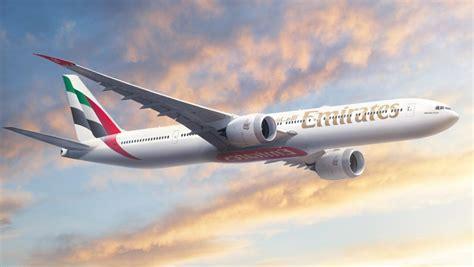
The global aviation industry moves in cycles of risk and confidence. Airlines order aircraft years before they ever touch a runway, betting billions on forecasts about passenger demand, fuel prices, and technological progress. When Emirates placed its massive order for the Boeing 777X, the decision was not a gamble born of optimism alone. It was the product of decades of operational strategy, deep experience with wide-body aircraft, and a clear understanding of how global travel flows through the Middle East.
For the Dubai-based carrier, the Boeing 777 family has long been the backbone of its fleet. Emirates operates one of the largest fleets of Boeing 777-300ER aircraft in the world, aircraft that have quietly carried millions of passengers across continents. Replacing them with a next-generation version was not merely logical—it was almost inevitable.
What makes the 777X particularly compelling is the combination of scale and efficiency. It promises larger capacity, improved fuel burn, and a technological leap forward in aerodynamics and engine performance. For an airline built around ultra-long-haul connectivity, those improvements translate directly into profit, flexibility, and network expansion.
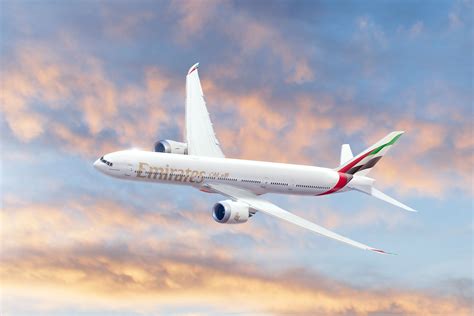
Fleet Modernization: Replacing a Legendary Workhorse
Aircraft do not age gracefully in commercial aviation. Maintenance costs rise, efficiency drops, and new regulations demand cleaner, quieter machines. Emirates built its reputation on operating a young and technologically advanced fleet, and that philosophy demands constant renewal.
The airline’s Boeing 777-300ER fleet, introduced in the mid-2000s, has been enormously successful. These aircraft allowed Emirates to connect cities across Europe, Asia, Africa, and North America through Dubai with remarkable efficiency. Yet even the most capable aircraft eventually approach the limits of their economic life.
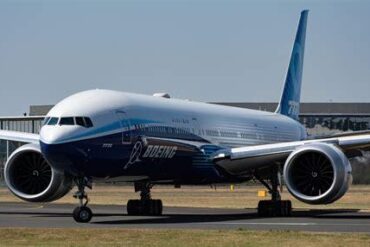
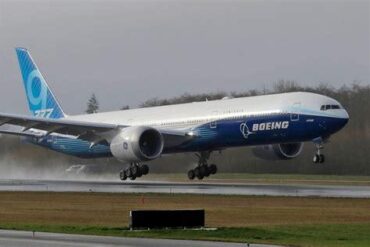
Enter the Boeing 777X, the evolutionary successor to the iconic 777 platform. The new aircraft introduces several critical improvements:
- Composite wings that are lighter and aerodynamically optimized
- Folding wingtips, allowing a massive wingspan in flight while fitting existing airport gates
- GE9X engines, the most powerful commercial jet engines ever built
- A redesigned cabin architecture aimed at passenger comfort
These changes transform the aircraft from a mere upgrade into a generational leap in wide-body efficiency. Airlines replacing older aircraft see reduced fuel consumption, lower maintenance requirements, and improved environmental performance.
For Emirates, modernization is not simply about replacing aircraft. It is about preserving operational dominance on long-haul routes, where efficiency determines whether a route thrives or struggles.
A Perfect Fit for the Dubai Hub Strategy
Emirates operates one of the most fascinating network strategies in modern aviation. Rather than focusing on domestic routes, the airline uses Dubai International Airport (DXB) as a global crossroads linking distant regions.
Passengers frequently travel:
- Europe → Asia
- Africa → North America
- South Asia → Europe
- Australia → Middle East → Europe
The airline’s model relies on high-capacity aircraft capable of flying extremely long distances. Each flight feeds passengers into Dubai, where they connect to other long-haul services.
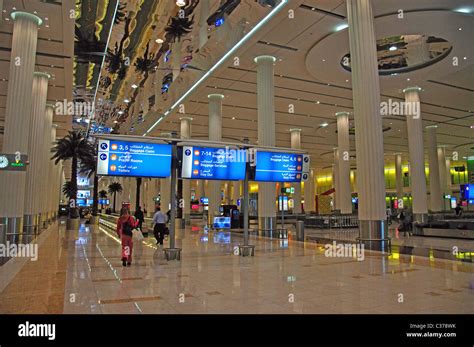
This hub-and-spoke structure demands aircraft with three specific qualities: range, capacity, and operational efficiency. The 777X excels in all three areas.
The 777-9, the larger variant expected to dominate Emirates’ order, can seat well over 400 passengers in a two-class configuration while still delivering remarkable range. That capability allows Emirates to operate long flights between city pairs that might otherwise struggle to sustain service.
In practical terms, this means fewer flights carrying more passengers, reducing congestion while maximizing revenue per departure.
For an airline managing thousands of daily connections through a single hub, such efficiency is invaluable.
Engineering Marvel: The Technology Behind the 777X
The Boeing 777X is not simply a stretched version of its predecessor. It represents one of the most ambitious engineering upgrades in commercial aviation since the introduction of the Boeing 787 Dreamliner.
At the center of this transformation are the GE9X turbofan engines, developed by General Electric. Each engine generates more than 100,000 pounds of thrust, making it the most powerful commercial jet engine ever built.
The GE9X also achieves something more important than brute force: remarkable fuel efficiency. Advanced ceramic matrix composite materials allow the engine to operate at higher temperatures while maintaining durability. The result is roughly 10% lower fuel consumption compared with previous-generation engines.
Fuel is the single largest operating cost for airlines. A 10% improvement across hundreds of flights each week translates into millions of dollars in annual savings.
The aircraft’s wings are equally revolutionary. Built from lightweight carbon-fiber composites, they stretch nearly 72 meters in flight, dramatically improving aerodynamic efficiency. Yet the folding wingtips allow the aircraft to use standard airport gates.
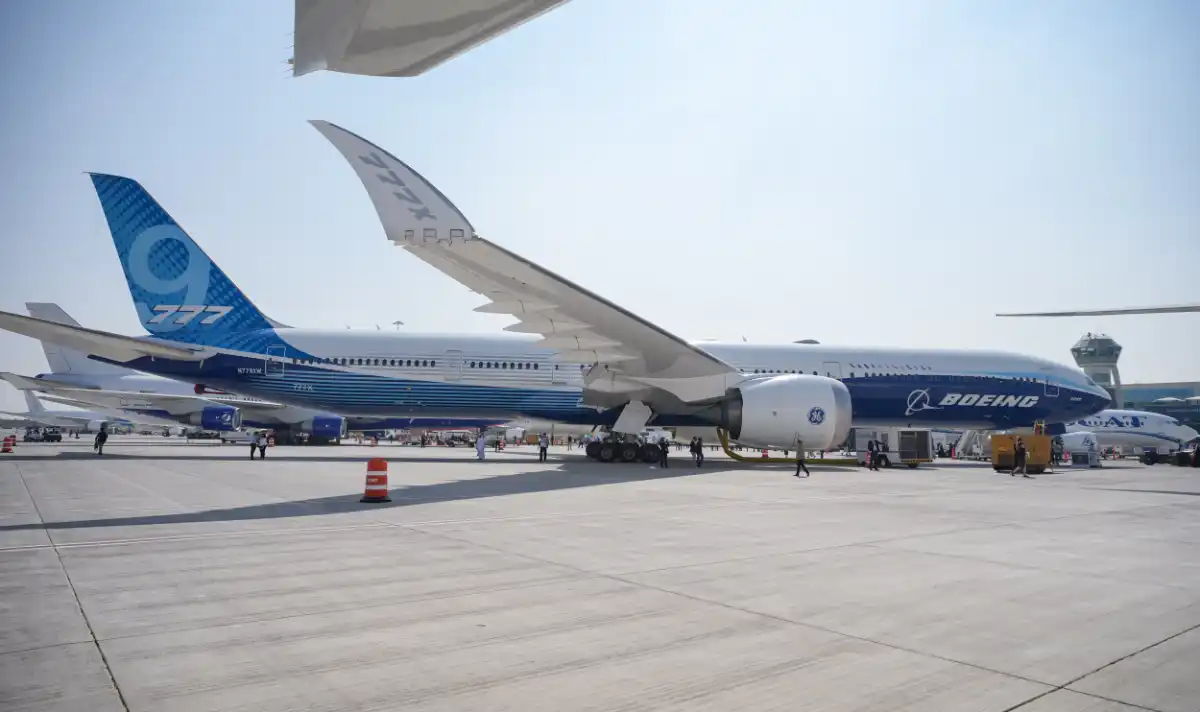
This clever mechanical solution reflects a deeper truth about aviation engineering: innovation often lies in solving practical constraints. Airports cannot rebuild infrastructure for every new aircraft. Folding wings allow the 777X to fit seamlessly into existing global airports while still benefiting from a massive wingspan.
Environmental Efficiency and the New Aviation Reality
Airlines today operate under intense pressure to reduce emissions. Governments, regulators, and passengers increasingly expect the aviation industry to demonstrate genuine progress toward sustainability.
Modern aircraft cannot eliminate carbon emissions entirely—jet fuel still powers most commercial flights—but efficiency improvements are crucial steps forward.
The Boeing 777X contributes in several ways:
- Lower fuel burn per passenger
- Reduced noise footprint around airports
- Advanced aerodynamics that reduce drag
- Optimized engine performance
These factors combine to reduce emissions by roughly 10% compared with previous 777 models.
For Emirates, this is not merely a regulatory necessity. Environmental credibility has become part of an airline’s global brand. Operating more efficient aircraft helps the airline demonstrate its commitment to responsible growth.
The alternative—continuing to rely on aging aircraft—would increase both operating costs and environmental scrutiny.
Passenger Experience: Luxury at 40,000 Feet
Emirates has spent decades cultivating a reputation for premium passenger experience. From onboard lounges to private first-class suites, the airline understands that comfort can be a powerful competitive advantage.
The 777X provides a new platform for enhancing that reputation.
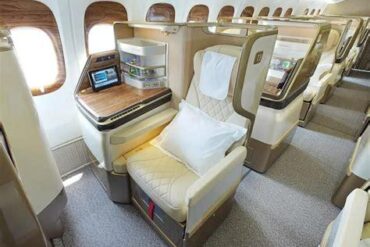
The redesigned cabin introduces larger windows, higher humidity levels, and lower cabin altitude pressure, all features aimed at reducing passenger fatigue during long flights. Anyone who has crossed multiple time zones knows the peculiar exhaustion that comes from long hours in pressurized cabins.
Improving cabin pressure from the traditional 8,000-foot equivalent to roughly 6,000 feet may sound like a small change. Physiologically, however, it makes a noticeable difference in hydration and comfort.
The wider cabin also allows airlines to experiment with new seating configurations. Emirates is widely expected to introduce updated first-class suites and next-generation business-class cabins aboard the 777X.
These innovations serve a strategic purpose. Premium passengers generate a disproportionately large share of airline revenue. Enhancing comfort and privacy ensures that high-value travelers continue choosing Emirates for long journeys.
Cargo Capacity: The Quiet Revenue Engine
Passenger aircraft often carry more than travelers and luggage. Beneath the cabin floor lies a massive cargo hold that plays a critical role in airline profitability.
Global air freight demand has grown dramatically over the past decade, fueled by e-commerce, pharmaceutical logistics, and time-sensitive shipping.
The 777X offers significant cargo capacity even when fully loaded with passengers. This dual-use efficiency allows Emirates to generate revenue from both ticket sales and freight operations.
Dubai’s geographic position amplifies this advantage. Situated between Europe, Asia, and Africa, the city serves as a natural crossroads for global trade.
Each 777X flight effectively becomes a high-speed logistics corridor, carrying goods across continents while transporting passengers above.
Meeting Surging Global Travel Demand
Despite periodic downturns, long-term forecasts for aviation remain remarkably optimistic. Organizations such as the International Air Transport Association predict that global passenger traffic could double within the next two decades.
Much of that growth will emerge from regions already central to Emirates’ network:
- South and Southeast Asia
- Africa
- The Middle East
- Emerging markets across Central Asia
These regions are experiencing expanding middle classes and increasing international mobility. For airlines positioned to connect these markets, the opportunities are enormous.
The Boeing 777X is built for precisely this future. Its combination of long range and high capacity allows airlines to open new routes while strengthening existing ones.
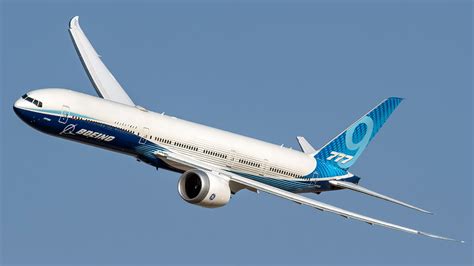
An aircraft capable of flying over 8,700 nautical miles can connect cities that previously required multiple stops. This flexibility opens new commercial possibilities and strengthens global networks.
For Emirates, it means the airline can continue expanding its reach without fundamentally altering its hub-centered strategy.
A Strategic Investment in Long-Haul Dominance
Aircraft orders are statements of belief about the future. By committing heavily to the 777X, Emirates is effectively declaring that long-haul international travel will remain the core of global aviation.
This position stands in contrast to some industry trends that emphasize smaller aircraft and point-to-point routes. While those models work for certain markets, Emirates’ success demonstrates the enduring power of large hub-based networks.
Dubai’s location provides a geographic advantage that few competitors can replicate. From this single hub, the airline can reach nearly every major population center within one long-haul flight.
The 777X strengthens that advantage by allowing Emirates to move more passengers with greater efficiency than previous aircraft generations.
In essence, the aircraft becomes a strategic tool for maintaining global aviation leadership.
Delays and the Long View of Aviation
The Boeing 777X program has faced repeated delays. Certification challenges and technical refinements have pushed the expected delivery timeline toward 2027.
In most industries, such delays might undermine confidence. Aviation operates on a different time scale. Aircraft remain in service for twenty to thirty years, sometimes longer.
Airlines therefore evaluate new aircraft not in terms of immediate availability but in terms of decades of operational value.
For Emirates, the long-term advantages of the 777X still outweigh the frustrations of waiting. When the aircraft finally enters service, it will anchor the airline’s fleet well into the 2030s and beyond.
That patience reflects a deeper truth about aviation strategy: the most successful airlines plan not just for the next year, but for the next generation of travelers.
The Aircraft That Carries the Future
The Boeing 777X embodies a fascinating intersection of engineering ambition and commercial strategy. It combines record-breaking engines, sophisticated aerodynamics, and passenger-focused design into one of the most advanced aircraft ever built.
For Emirates, the decision to order it was never truly complicated.
The airline needed an aircraft capable of replacing aging wide-bodies, expanding global connectivity, improving efficiency, and sustaining a reputation for passenger comfort. The 777X satisfies all of those requirements simultaneously.
When the first Emirates 777X eventually departs Dubai, it will not merely represent a fleet upgrade. It will mark the continuation of a grand experiment in global connectivity—one in which a single desert hub links continents through engineering, logistics, and a bit of aerodynamic magic.
Commercial aviation has always been a story about shrinking the planet. The Boeing 777X simply pushes that story one step further, allowing airlines like Emirates to connect distant cities with greater efficiency than ever before.
Some aircraft enter service quietly and disappear into routine operations. Others reshape the landscape of long-haul travel. The Boeing 777X appears destined to be one of the latter, and Emirates intends to be at the center of that transformation.