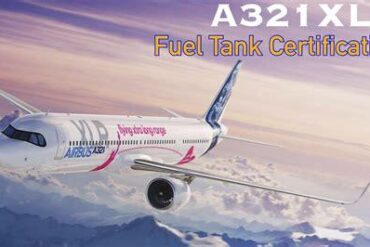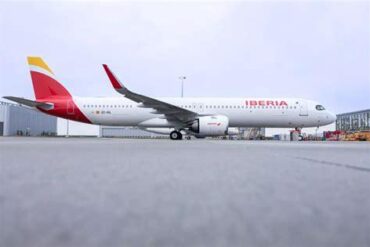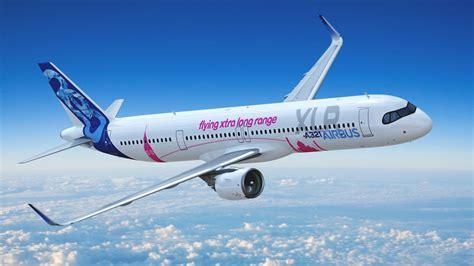
The Airbus A321XLR is transforming the global aviation landscape, ushering in a new era where narrowbody aircraft confidently serve long-haul routes once dominated by widebodies. In the wake of the pandemic’s disruptions, airlines are seeking cost-effective, efficient solutions that align with both operational demands and environmental expectations. The A321XLR rises to this challenge, promising unprecedented range, advanced engine technology, and new market possibilities that reshape how the world connects.
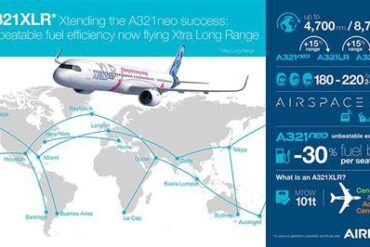
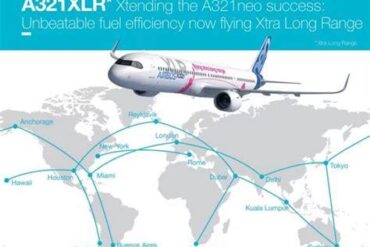
The A321XLR—the most capable variant of the A320neo family—delivers a range of up to 4,700 nautical miles. This enables non-stop missions of up to 11 hours, connecting cities like Boston to Athens, Delhi to Lisbon, and New York to Marrakesh. Such routes were previously the domain of widebodies, but Airbus’s innovative design and engineering now make them feasible in a single-aisle configuration. This capability opens immense opportunities for airlines looking to launch thinner long-haul routes without the risk of underutilized capacity.
At 146 feet in length, with a maximum takeoff weight of 223,000 pounds, and a fuel capacity of 8,700 gallons, the A321XLR is deceptively powerful. It comfortably accommodates up to 244 passengers, combining efficient fuel burn with a comfortable cabin environment. Airbus has successfully engineered an aircraft that marries the low operating costs of a narrowbody with the range flexibility typically reserved for larger, more expensive twin-aisle jets.
Next-Gen Engines Drive Efficiency and Sustainability
Central to the A321XLR’s game-changing appeal is its engine flexibility. Airlines can choose between the Pratt & Whitney PW1100G-JM geared turbofan or the CFM International LEAP-1A engine. Both options provide thrust levels between 32,160 and 33,110 pounds, enabling the aircraft to handle demanding long-haul operations while maintaining stellar fuel economy.
The Pratt & Whitney engine’s geared turbofan architecture allows the fan and turbine sections to operate at optimized speeds, delivering fuel savings of up to 16% compared to earlier-generation engines. Its design also slashes noise emissions by 75%, a crucial benefit for operations at noise-restricted airports.
Meanwhile, CFM’s LEAP-1A engine leverages advanced materials, including ceramic matrix composites and carbon fiber fan blades, to reduce weight and enhance thermal efficiency. Inspired by the Dreamliner’s GEnx technology, this engine offers excellent durability and low fuel burn, supporting airlines’ sustainability goals.
Airlines Bet Big on Range and Profitability
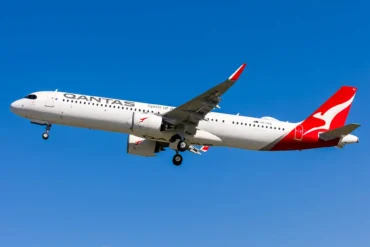
Airlines worldwide have demonstrated enormous confidence in the A321XLR, as evidenced by over 500 firm orders. Iberia led the charge, launching revenue services in late 2024 after the aircraft secured certification from both EASA and the FAA. Iberia’s early adoption has spurred further interest, with carriers like United Airlines committing to large fleets of the type—50 aircraft valued at $7.1 billion—aimed at unlocking direct flights from Newark to under-served European and North African cities.

Other major airlines are keenly watching how these new routes perform. The A321XLR’s range gives carriers the flexibility to connect secondary cities with major global hubs, stimulating tourism, trade, and business opportunities. The result is a diversification of passenger traffic, a boost for regional airports, and fresh competition in long-haul markets.
Boeing Left Without a Direct Rival
While Airbus accelerates ahead with the A321XLR, Boeing faces challenges. The 737 MAX 10, Boeing’s longest narrowbody, lacks the range and payload capability to match the XLR’s performance. The once-dominant Boeing 757, while historically significant for transatlantic narrowbody service, no longer offers the fuel efficiency or cabin comfort that modern operators demand. With no clean-sheet replacement in development, Boeing’s narrowbody lineup currently lags in the long-haul, single-aisle category.
Economic and Environmental Payoff
The A321XLR’s appeal extends beyond mere range. In a climate of volatile fuel prices and heightened environmental accountability, this aircraft provides airlines with a tool to balance profitability and sustainability. By delivering long-haul reach with narrowbody economics, it enables operators to minimize fuel burn and emissions per passenger, offering a greener alternative to traditional widebody solutions.
Additionally, the aircraft’s low noise footprint opens new possibilities at noise-sensitive airports, while its lower trip costs allow airlines to explore routes that might have been uneconomical with larger aircraft. The tourism sector, in turn, benefits from the influx of direct long-haul services to emerging destinations.
Looking to the Future: The Engine Choice That Could Define a Generation
As the A321XLR fleet grows, the competition between Pratt & Whitney and CFM will intensify. Airlines will closely monitor long-term fuel consumption, maintenance patterns, and in-service reliability to determine which engine offers the best blend of performance and cost efficiency. Early data from launch operators like Iberia and United will help shape fleet decisions for years to come.
The A321XLR: Shaping the Future of Global Connectivity
The Airbus A321XLR stands as a milestone achievement in modern aviation, combining the versatility of a narrowbody with the capability of a widebody. With orders surging and new routes launching, the A321XLR is poised to reshape global air travel for the next decade and beyond. It reflects the industry’s drive toward smarter, cleaner, and more profitable operations—an aircraft that truly meets the demands of the post-pandemic world.