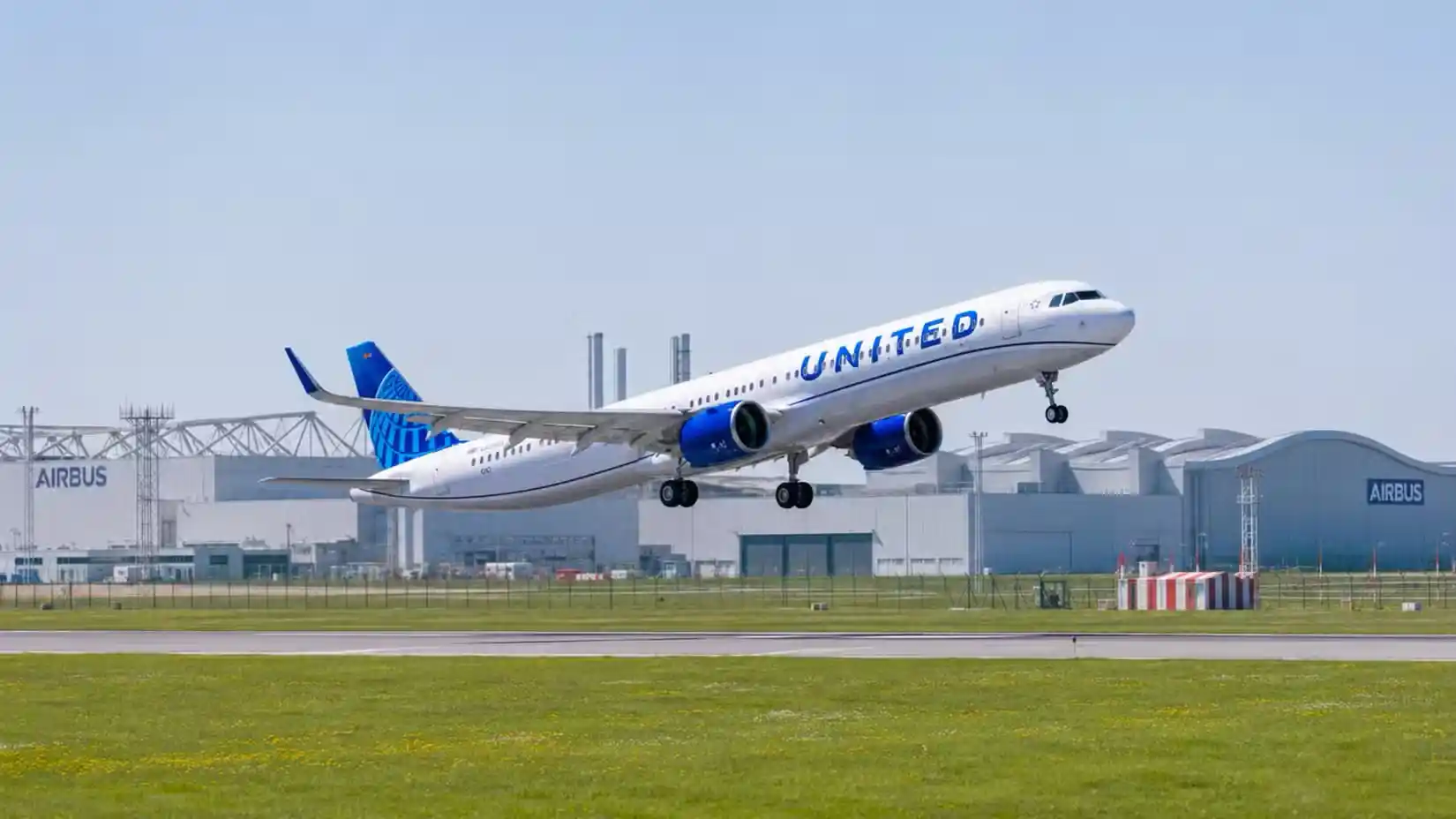
United Airlines has officially entered the Airbus A321XLR era, taking delivery of its first example of the groundbreaking long-range narrowbody aircraft from Airbus’ Hamburg Finkenwerder facility. The arrival of the aircraft, registered N64321, marks a significant milestone in the airline’s fleet modernization strategy and signals the beginning of a new approach to international route development. Designed to combine the economics of a single-aisle jet with the range traditionally associated with larger widebody aircraft, the Airbus A321XLR is expected to become one of the most important aircraft in United’s future network.
The delivery flight itself highlighted the aircraft’s impressive capabilities. Departing Hamburg on June 3, the jet completed a transatlantic journey exceeding ten hours before arriving in Tampa, Florida. While the aircraft’s final operational role lies in long-haul international service, its first stop in the United States is part of a broader preparation process that includes the installation of Starlink satellite connectivity, one of the airline’s most ambitious onboard technology investments to date.
For United Airlines, the arrival of the A321XLR represents far more than the addition of another aircraft type. It is the beginning of a strategic transition away from aging Boeing 757-200 aircraft that have served as the backbone of many niche international routes for decades. The 757 earned a legendary reputation thanks to its unique combination of range and performance, but advancing age, increasing maintenance requirements, and lower fuel efficiency have made replacement inevitable.
The Airbus A321XLR has emerged as the natural successor.
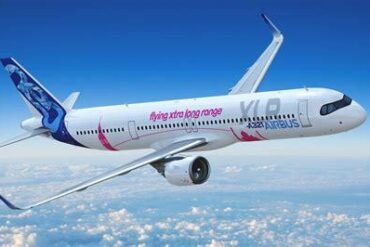
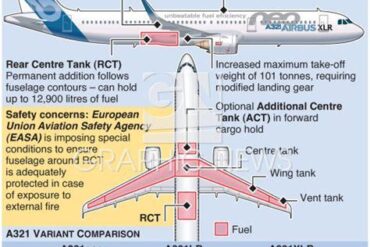
Unlike earlier variants of the A321neo family, the XLR was specifically developed to push the boundaries of narrowbody flying. Airbus engineered the aircraft with an extended-range fuel system, aerodynamic refinements, and efficiency improvements that allow it to operate routes previously reserved for larger twin-aisle aircraft. The result is an aircraft capable of connecting cities separated by thousands of miles while carrying fewer passengers than a traditional widebody, significantly reducing operational risk for airlines.
United Airlines’ Vision Behind The Airbus A321XLR
United’s commitment to the A321XLR dates back to 2019 when the carrier announced an order for 50 aircraft. At the time, the decision reflected a growing industry trend toward smaller, more efficient long-haul aircraft capable of opening routes that would not support larger jets.
The airline’s leadership has repeatedly emphasized that future network growth depends not only on serving major global hubs but also on identifying underserved city pairs where passenger demand exists but remains insufficient to justify widebody operations. The A321XLR addresses precisely that challenge.
By lowering the economic threshold required to launch new routes, United gains the flexibility to connect destinations that may have previously been considered too risky. Seasonal leisure markets, secondary European cities, and emerging international destinations become far more viable when airlines can deploy a fuel-efficient aircraft carrying 150 passengers rather than a widebody carrying 250 or more.
This strategy aligns closely with United’s recent international expansion efforts. Over the last several years, the airline has built a reputation for launching routes to destinations often overlooked by competitors. Cities such as Malaga, Split, Tenerife, Faro, and Bari demonstrate how United has leveraged its extensive network to establish unique nonstop services across the Atlantic.
The A321XLR strengthens that approach considerably.
A Premium-Heavy Cabin Designed For Long-Haul Travel
One of the most notable aspects of United’s A321XLR configuration is its exceptionally premium-focused cabin layout. Rather than maximizing seat count, the airline has prioritized passenger comfort and revenue-generating premium products.
The aircraft features a total of just 150 seats, making it one of the most premium-heavy narrowbody aircraft in the carrier’s fleet.
The cabin includes:
- 20 Polaris Business Class suites
- 12 Premium Plus seats
- 36 Economy Plus seats
- 82 standard Economy seats
This configuration effectively brings a widebody-style passenger experience to a single-aisle aircraft.
The Polaris cabin represents the centerpiece of the onboard product. Featuring lie-flat seating, privacy doors, wireless charging, large entertainment displays, and Bluetooth connectivity, the business-class experience closely mirrors what passengers would expect aboard United’s flagship international aircraft.
Premium Plus passengers benefit from wider seats, greater recline, enhanced legroom, and upgraded entertainment options. Meanwhile, Economy Plus and standard Economy travelers receive modern amenities including power outlets, USB-C charging capabilities, and advanced seatback entertainment systems.
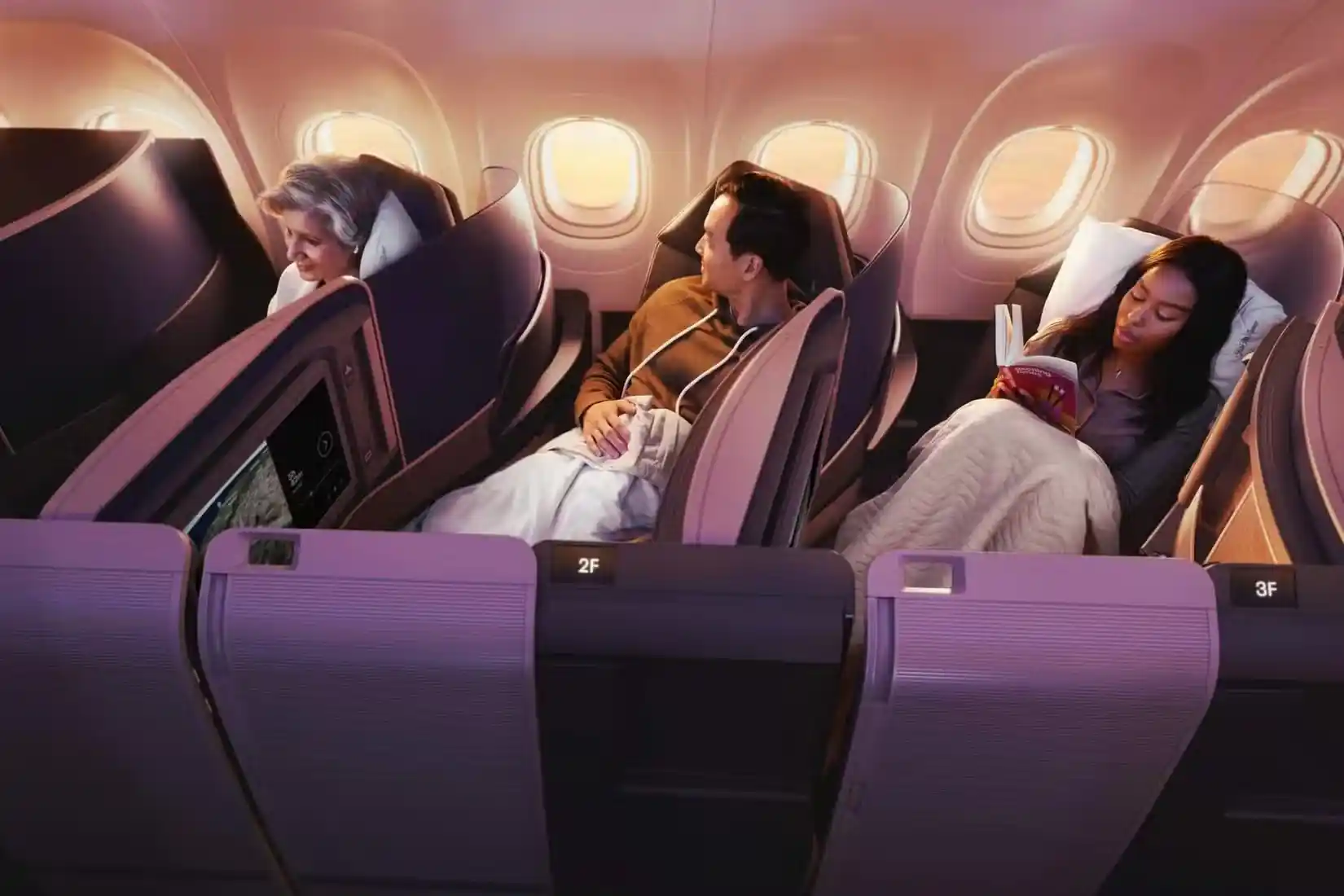
This level of cabin sophistication reflects changing passenger expectations. Travelers increasingly expect consistent premium experiences regardless of aircraft size, and the A321XLR allows United to deliver exactly that on routes that previously relied on older-generation aircraft with less competitive interiors.
Why The Boeing 757 Replacement Matters
For decades, the Boeing 757 occupied a unique position within airline fleets. Its combination of transatlantic range, strong takeoff performance, and relatively modest capacity allowed carriers to operate routes that no other aircraft could efficiently serve.
However, the aircraft’s production ended years ago, leaving airlines with few direct replacement options.
The A321XLR changes that equation.
Compared with United’s aging 757 fleet, the Airbus newcomer offers significantly lower fuel consumption, reduced maintenance requirements, enhanced environmental performance, and a dramatically improved passenger experience. It also provides greater fleet commonality with other Airbus narrowbody aircraft, helping reduce training and operational costs.
Perhaps most importantly, the A321XLR delivers economics that support profitable service on routes that might otherwise struggle to justify nonstop operations. In an era where airlines constantly seek efficiency improvements, that capability is extraordinarily valuable.
Andrew Nocella, United Airlines’ Chief Commercial Officer, emphasized the aircraft’s strategic importance, describing it as an ideal one-for-one replacement for older aircraft operating across critical intercontinental markets while also opening opportunities for entirely new destinations.
Starlink Connectivity Signals A Technology Upgrade
Before entering commercial service, United’s first A321XLR will undergo installation of Starlink satellite internet technology in Tampa.
The move highlights the airline’s broader effort to transform onboard connectivity. Traditional inflight Wi-Fi systems have often struggled to provide reliable, high-speed internet access, particularly on long-haul flights over oceans.
Starlink’s low-Earth-orbit satellite network promises a different experience. Passengers are expected to benefit from faster speeds, lower latency, and more consistent connectivity throughout their journeys.
For business travelers, digital nomads, and increasingly connected leisure passengers, reliable internet service has become a key factor in airline selection. By integrating Starlink from the outset, United is positioning the A321XLR fleet as one of the most technologically advanced narrowbody operations in the world.
Airbus Delivers Two A321XLRs Across The Atlantic In One Day
The delivery of United’s first A321XLR occurred on a particularly significant day for Airbus.
Only hours before United’s aircraft departed Hamburg, Air Canada accepted its second A321XLR and ferried it across the Atlantic. The twin deliveries highlighted Airbus’ growing momentum as production rates gradually recover and more airlines prepare to introduce the type into service.
The two carriers, both members of the Star Alliance network, have adopted notably different approaches to cabin configuration.
While United selected a highly premium-focused layout with 150 seats, Air Canada opted for a denser arrangement accommodating 182 passengers. Air Canada’s version includes 14 lie-flat business-class seats and a substantially larger economy cabin, reflecting different network priorities and market demands.
These contrasting strategies illustrate one of the A321XLR’s greatest strengths: adaptability. Airlines can tailor the aircraft for premium transatlantic routes, high-density leisure operations, or a combination of both.
Potential Launch Routes And Future Growth Opportunities
Although United has not officially announced the aircraft’s inaugural commercial route, industry observers already see several likely candidates.
The airline’s hubs at Newark Liberty International Airport and Washington Dulles International Airport appear particularly well suited for early A321XLR deployment. Existing Boeing 757 destinations such as Edinburgh, Dublin, Bilbao, and Malaga fit the aircraft’s operational profile almost perfectly.
Beyond replacing existing routes, the greater opportunity lies in opening entirely new markets.
The aircraft’s combination of range and efficiency enables United to explore destinations that previously sat just beyond the economic reach of narrowbody operations. Smaller European cities, emerging tourism markets, and underserved transatlantic connections could all become realistic possibilities.
As additional aircraft join the fleet, United will gain increasing flexibility to expand its international footprint while maintaining disciplined capacity growth.
A Transformational Aircraft For United’s Next Decade
The arrival of United Airlines’ first Airbus A321XLR represents more than a routine fleet delivery. It signals a fundamental shift in how the airline approaches long-haul network planning, aircraft utilization, and premium passenger experience.
By combining exceptional range, advanced cabin products, lower operating costs, and next-generation connectivity, the A321XLR provides United with a powerful tool for the future. As the carrier gradually replaces aging Boeing 757 aircraft and explores new international opportunities, the narrowbody jet is poised to become one of the most influential aircraft in the airline’s modern history.
For passengers, the benefits will be equally significant: more nonstop destinations, improved onboard comfort, enhanced connectivity, and a travel experience that brings widebody-level amenities to routes once served by older, less capable aircraft. The delivery of N64321 is therefore not merely the arrival of a new aircraft—it is the beginning of a new era in United Airlines’ global strategy.