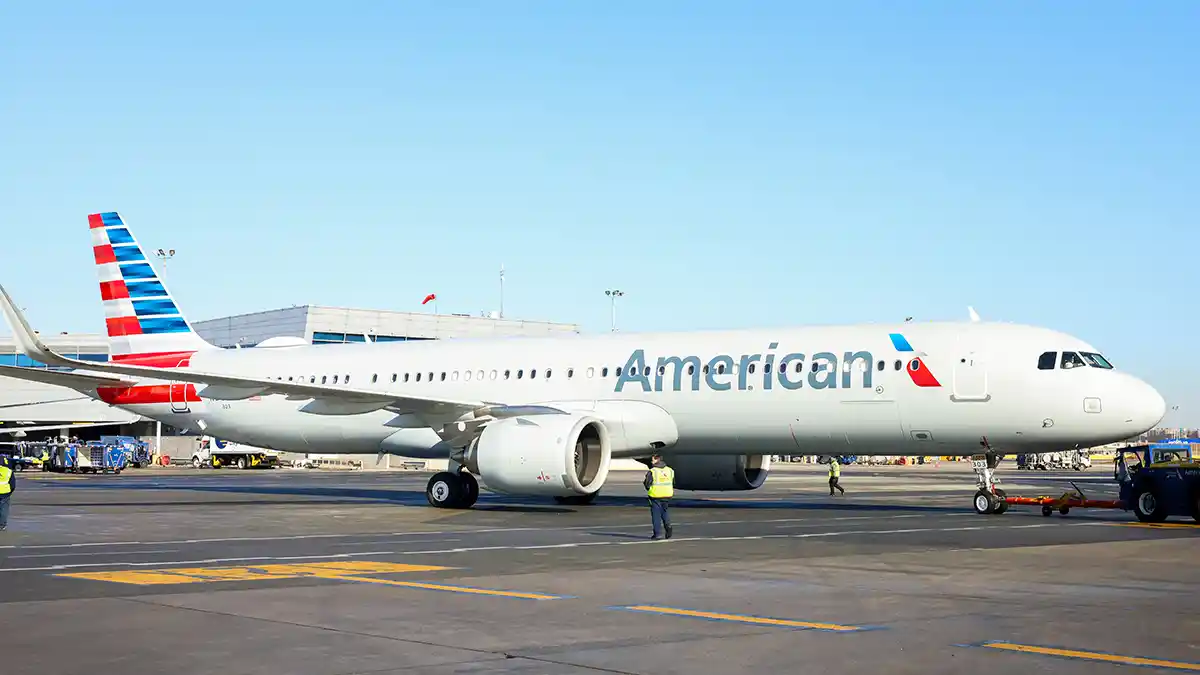
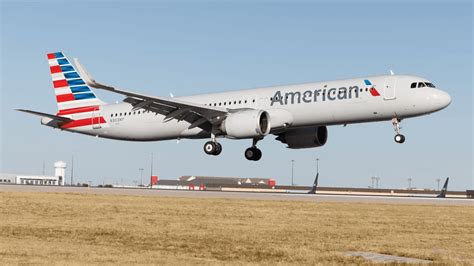
American Airlines has officially ushered in a new era of long-range narrowbody travel with the inaugural commercial flight of its Airbus A321XLR, departing from New York’s JFK Airport to Los Angeles International Airport on December 18, 2025. This historic moment marks not only the entry of the A321XLR into scheduled service for American but also signals a transformation in how the airline plans to serve premium transcontinental and future transatlantic routes.
JFK to LAX: A Premium Showcase Route
The selected route—New York JFK to Los Angeles LAX—is no coincidence. It’s among the most prestigious and competitive premium routes in the U.S., making it the perfect stage to debut the longest-range single-aisle aircraft in American’s fleet. Operating under registration N305NY, this flight is the first commercial opportunity for passengers to experience the A321XLR’s upgraded cabin and extended capabilities.
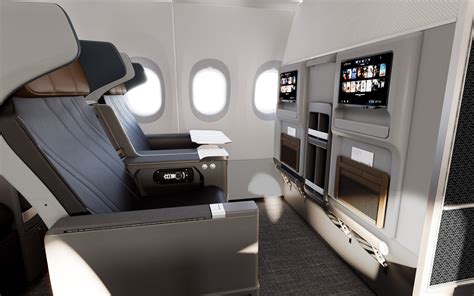
The A321XLR features a thoughtfully designed three-class cabin layout:
- Flagship Suites: Private suites with lie-flat beds and sliding doors—American’s first such product on a narrowbody.
- Premium Economy: Spacious, reclinable seating designed for comfort on longer journeys.
- Main Cabin: Ergonomically enhanced economy seats with upgraded amenities.
This configuration reflects the airline’s ambition to elevate the transcontinental flying experience, targeting high-value customers while maximizing fuel efficiency and operational flexibility.
The A321XLR: Designed for Distance and Efficiency
At the core of this launch is the Airbus A321XLR’s game-changing design, building on the A321neo platform but incorporating key enhancements:
- A range of up to 4,700 nautical miles, allowing for extended missions well beyond traditional narrowbody capabilities.
- Additional center fuel tanks and reinforced landing gear, extending its endurance without sacrificing efficiency.
- Advanced aerodynamics and new engine options, contributing to a 30% reduction in fuel burn per seat compared to older aircraft.
These improvements make it an ideal solution for routes previously deemed uneconomical with widebody aircraft. For American Airlines, this means the ability to serve “long and thin” routes, such as New York–Edinburgh, without compromising on passenger experience or profitability.
A Strategic Pivot Toward Sustainability and Premium Experience
The introduction of the A321XLR represents more than a fleet upgrade—it’s part of American Airlines’ broader fleet renewal and environmental strategy. The airline is actively retiring older, less fuel-efficient aircraft in favor of modern, sustainable models that reduce its environmental footprint and enhance passenger experience.
Heather Garboden, American’s Chief Customer Officer, emphasized this during the launch:
“Designed for long journeys with comfort and style at the forefront, American is thrilled to be the first U.S. airline to operate the A321XLR.”
The emphasis on premium offerings is clear. The Flagship Suite product, previously reserved for widebody international flights, brings unprecedented luxury to domestic travel. The cabin includes:
- Sliding privacy doors and direct aisle access.
- Wireless Bluetooth connectivity for personal headsets.
- High-definition seatback entertainment.
- Upgraded mood lighting and cabin ambiance.
This combination of luxury and technology ensures American stays competitive on key premium routes, particularly against rivals like Delta and United, which also operate lie-flat products coast-to-coast.
Transitioning to Transatlantic and Future Growth
While the A321XLR’s debut is domestic, its true potential lies in transatlantic expansion. American Airlines has already announced plans to launch services from major U.S. East Coast hubs to Europe, using the aircraft’s range to reach destinations that lack the volume to support widebody service. Cities like Edinburgh, Shannon, and potentially secondary Spanish and Italian airports could soon see direct connections from New York, Philadelphia, and Boston.
This shift will allow American to:
- Tap into underserved European markets.
- Optimize route profitability.
- Offer more nonstops, reducing the need for connections.
These moves are in line with the airline’s efforts to diversify its international footprint and reduce reliance on legacy hub-and-spoke structures. It also bolsters the oneworld alliance’s connectivity strategy, strengthening its position against competing global alliances.
Implications for the Industry and Competitors
American Airlines is far from alone in betting big on the A321XLR. Major global carriers including JetBlue, Iberia, Aer Lingus, and Air Canada have placed significant orders, planning similar deployments on high-yield, long-range routes that were previously uneconomical.
The success of this aircraft signals a paradigm shift in network planning. Instead of relying solely on widebodies for intercontinental service, airlines now have a cost-effective alternative that offers:
- Widebody-like range.
- Lower trip costs.
- High-yield premium configuration flexibility.
For travelers, the outcome is more nonstops, better aircraft utilization, and improved connectivity to secondary destinations.
A Modern Milestone in American’s Fleet Evolution
American Airlines has made a clear statement: the A321XLR is the future of its medium- and long-haul growth. With the second aircraft now delivered, and more on the way, the integration of this aircraft type will continue to accelerate. As the airline fine-tunes cabin service and crew procedures domestically, it sets the stage for international rollouts in summer 2026 and beyond.
In terms of cabin design, operational economics, and environmental sustainability, the A321XLR is a strategic cornerstone for the airline. It reflects a global trend where aircraft versatility and passenger experience are no longer mutually exclusive.

Looking Ahead: The Start of a New Chapter
The inaugural flight from JFK to LAX may have been a relatively short journey compared to the aircraft’s range potential, but symbolically, it represents the beginning of a transformative chapter for both American Airlines and the global airline industry. As fuel prices remain volatile and sustainability becomes a central metric, the A321XLR stands out as the right aircraft at the right time.
American’s investment in this fleet signals its intent to not only lead in transatlantic narrowbody service but also to redefine passenger expectations across the board. With its second unit delivered and many more on order, the A321XLR is poised to become a workhorse of American’s future, one lie-flat suite at a time.