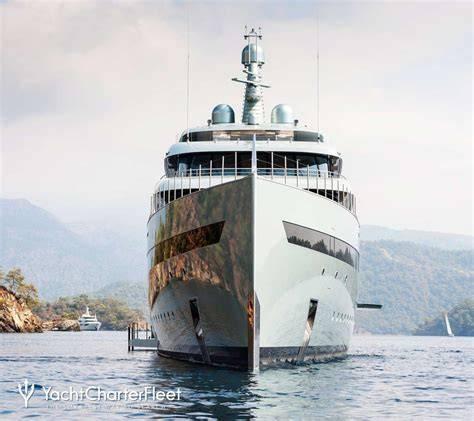
If you have watched a luxury yacht charter show such as Below Deck, you may notice that enormous vessels can seem surprisingly quiet. That is partly because of a crucial maritime restriction: a yacht generally cannot carry more than 12 passengers. The crew does not count toward this passenger limit.
The so-called 12-person rule is not simply a preference adopted by luxury charter companies. It is closely connected to how a vessel is classified under the International Convention for the Safety of Life at Sea (SOLAS).
Once a vessel carries more than 12 passengers, it can fall into the regulatory category of a passenger ship, bringing substantially more demanding safety and operational obligations.
Why Does a Yacht Have a 12-Passenger Limit?
The limit exists because passenger vessels present different safety challenges from privately operated yachts. SOLAS establishes requirements involving fire protection, lifesaving equipment, structural safety, stability, emergency procedures, communications, inspections, and crew qualifications. These standards are designed around vessels carrying larger numbers of people who may not be familiar with the ship or emergency procedures.
The origins of modern SOLAS rules reach back to 1914, when the first convention was adopted following the Titanic disaster. The framework has been revised repeatedly as maritime technology and safety practices have developed.
What Happens If a Yacht Carries More Than 12 Guests?
A vessel carrying more than 12 passengers may need to meet the standards applicable to a passenger ship, rather than operating under the simpler yacht framework. That change can affect construction, certification, inspections, firefighting systems, lifesaving equipment, operating procedures, crew requirements, and overall costs. For an owner or charter company, the financial implications can be substantial.
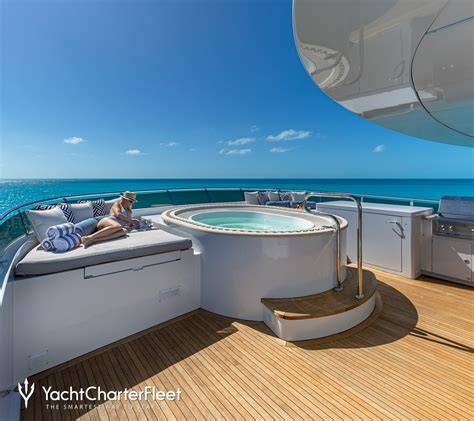
This distinction is important in practice. This explains why even extremely large superyachts are commonly designed and operated around the 12-passenger threshold. A yacht can have enormous cabins, multiple decks, swimming pools, restaurants, and entertainment areas, yet its permitted guest capacity may remain limited.
In practical terms, the rule separates small-group yacht charter from commercial passenger transportation, and that distinction drives the additional regulatory burden and the associated operating costs too.
Does the 12-Person Yacht Rule Apply Everywhere?
Because SOLAS is an international maritime safety framework, the underlying classification principle can affect yacht operations across major charter destinations, including the Caribbean and Mediterranean. However, specific national laws, flag-state rules, commercial yacht regulations, and operating circumstances can add requirements beyond the basic international framework.
For anyone planning a yacht charter, the practical lesson is straightforward: 12 guests is a critical legal and operational threshold, not merely a comfortable occupancy recommendation. If a group may exceed that number, the operator should confirm the vessel’s certified passenger capacity and applicable local regulations before booking. That simple check can prevent an expensive misunderstanding and ensure the charter is planned around the correct safety requirements.