The phrase “cheap helicopter” is almost paradoxical. Unlike fixed-wing aircraft, helicopters demand more maintenance, parts wear faster, and overhaul cycles come sooner. That said, there are market-validated options that present a viable balance between price and operational reliability.
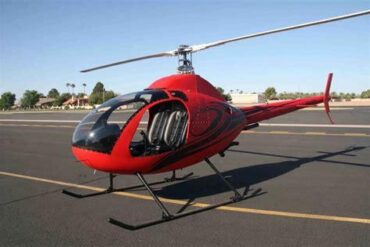
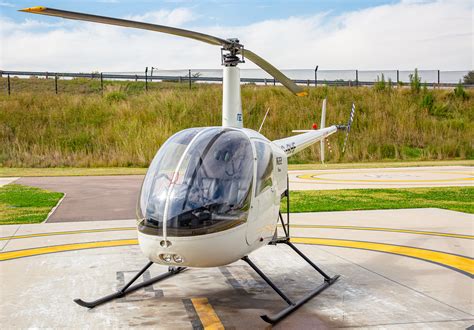
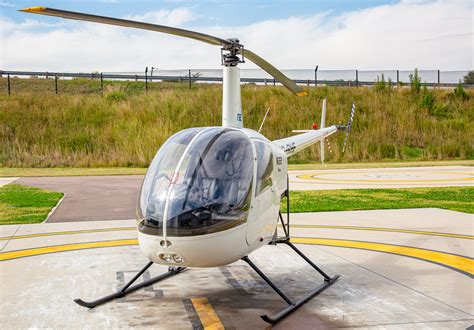
The Robinson R22, for instance, has become the default entry-level 2-person helicopter in many parts of the world. Known for its simplicity, light airframe, and relative cost-efficiency, the R22 dominates the budget category.
Most R22 models on the resale market can be acquired starting at around $60,000 to $100,000 USD, depending on their total time and remaining hours before overhaul. However, those closer to their 2,200-hour or 12-year overhaul limit are often priced on the lower end of that spectrum.
The Robinson R22: A Benchmark for Budget Rotorcraft
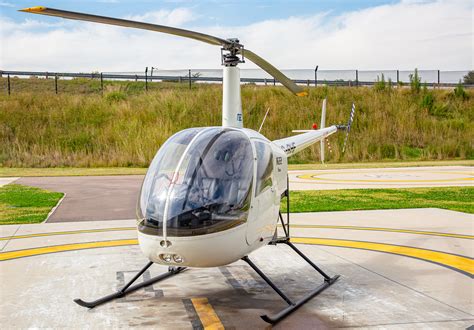
The Robinson R22 has earned its place in flight schools, agricultural operations, and private hangars. Designed in the 1970s, it’s powered by a Lycoming O-320 or O-360 engine, depending on the variant, offering a maximum cruise speed of about 96 knots (110 mph).
One of the R22’s standout features is its cost of operation, averaging $200–$300 per flight hour, depending on insurance, location, and maintenance costs. It’s FAA certified, has an excellent safety record when maintained properly, and is still actively supported by Robinson Helicopter Company.
While a low-time R22 may cost up to $120,000, helicopters that are within a few hundred hours of their overhaul are often listed between $60,000 and $85,000. Overhaul, however, is a serious expense — often exceeding $40,000–$50,000 — which must be factored into the acquisition strategy.
High-Hour Helicopters: Hidden Value or Hidden Risk?
Surprisingly, many helicopter mechanics and pilots argue that high-hour helicopters that are nearing their overhaul limits may actually offer more reliability in the short term than recently overhauled models. This is because post-overhaul teething issues — particularly if the job wasn’t performed meticulously — can result in oil leaks, misalignments, and unforeseen mechanical quirks.
For example, some operators have found that R22s that are a few hundred hours away from their next overhaul, yet have not timed out on calendar limits, are often stable, well-understood, and relatively affordable.
Alternatives to the R22: Schweizer, Enstrom, and the Bell 47
If the R22 isn’t appealing or available in your region, there are three notable alternatives that enter the conversation:
Schweizer S300 (formerly Hughes 300)
Developed initially by Hughes in the 1950s and later adopted by Schweizer and Sikorsky, the S300 has a legendary reputation in the training world. Though slightly more expensive to maintain and operate than the R22, it offers better stability in hover and a heavier payload. A well-maintained S300 can often be found in the $90,000 to $140,000 range.
Enstrom F28 and 280FX
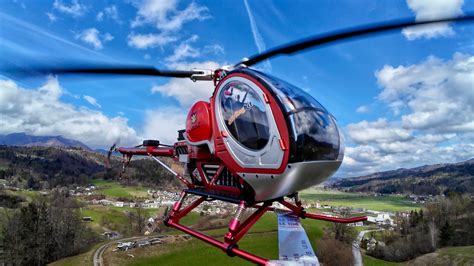
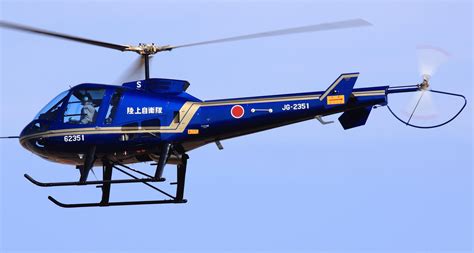
These American-made helicopters are sturdier than their competitors and offer better crash protection, thanks to their steel-tube fuselage. However, their higher operating costs and limited parts availability make them less desirable for pilots on a tight budget. Expect to pay around $80,000 to $130,000 for airworthy models.
Bell 47
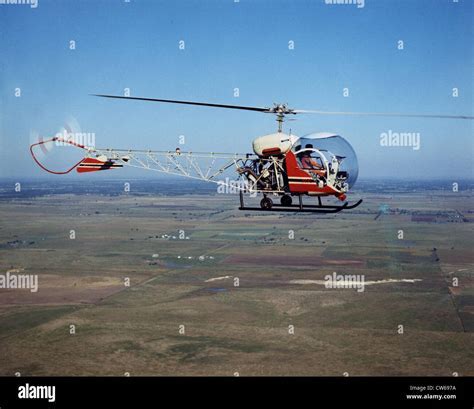
Iconic for its bubble canopy and open tail boom, the Bell 47 is still flying in various capacities today. Despite its age, it’s a robust and charming aircraft with ample spare parts on the market. You can sometimes find flyable models for as little as $70,000, although their slow cruise speed (around 75 knots) and maintenance needs make them more of a passion project than a utilitarian workhorse.
Homebuilt Helicopters: Too Good to Be True?
A few mentions of homebuilt helicopters like the Rotorway Exec or Mosquito Air inevitably arise in budget discussions. But nearly all seasoned pilots and engineers will advise against them. As one commenter aptly put it: “All homebuilts are deathtraps.”
While it’s legally possible to register and fly them, the lack of certification, engineering oversight, and standardized maintenance practices make homebuilts incredibly risky — particularly for new pilots or those without mechanical backgrounds. Pre-owned homebuilts, sometimes described as “pre-crashed,” pose even greater dangers.
The True Cost of Ownership: Beyond the Purchase Price
Purchasing a helicopter, even for under $100,000, is just the beginning. Key cost considerations include:
- Insurance: Can range from $4,000 to $12,000 annually depending on experience and aircraft.
- Annual Inspections: Expect to spend $2,000 to $5,000 for each.
- Fuel Costs: R22 burns about 9-10 gallons per hour of avgas.
- Hangar Space: Anywhere from $200 to $1,000/month depending on location.
- Maintenance Reserves: Set aside $40–$70 per flight hour for overhauls and parts.
Many R22 owners reduce costs by flying just under 100 hours a year, maintaining a tight maintenance schedule, and often sharing the aircraft in a co-ownership model to spread fixed costs.
Where to Find the Best Deals
To acquire a reliable, budget-friendly helicopter, platforms such as Trade-A-Plane, Controller.com, and Facebook groups like TJ Helicopters are popular. Listings with detailed maintenance records, remaining time to overhaul (TTO), and compliance with ADs (Airworthiness Directives) offer the most transparent value.
Buyers should prioritize aircraft with at least 150–200 hours remaining before overhaul and 5–6 years left before calendar expiration. These machines are often sold by flight schools upgrading fleets or private owners looking to avoid upcoming expenses.
Final Verdict: The Smart Buy in the Budget Helicopter Market
For most aspiring pilots or helicopter enthusiasts asking, “What’s the cheapest reliable 2-seater helicopter I can buy?”, the answer is overwhelmingly the Robinson R22. Its broad support network, certification pedigree, and active use in training environments make it the most cost-effective and safest path into private rotorcraft ownership.
A well-timed purchase — ideally under $100,000 with several hundred hours and years before overhaul — offers a solid balance between affordability, performance, and long-term reliability. While older platforms like the Bell 47 and Schweizer 300 remain viable alternatives, the R22 is unmatched in terms of parts availability, pilot familiarity, and resale demand.
Anyone pursuing this route should first fly regularly with an instructor, budget conservatively, and embrace the unique responsibilities that come with helicopter ownership. In aviation, especially helicopters, cheapness without reliability is not savings — it’s a liability.