In the intricate world of airfare pricing, timing is not just everything—it’s the invisible hand that can either lighten or drain your wallet. While travelers often scramble for discounts and obsess over airline reward programs, they frequently overlook a critical element in the booking equation: the specific day of the week they choose to make their purchase. Understanding the dynamics of airline pricing can lead to significant savings, and conversely, ignoring them can cost you dearly. Let’s explore the worst days to buy flights and the nuanced reasoning behind these pricing patterns.
Historically, the belief that booking on a certain day secures the best fare has been passed around like travel folklore. But modern analytics, sourced from platforms like Google Flights, Upgraded Points, and GOBankingRates, suggest that there is more than superstition at play. These studies reveal clear trends in consumer behavior and airline pricing strategies that mark certain days as financial landmines for airfare hunters.
Saturday: The Premium Trap Day for Airfare
Booking on a Saturday is consistently identified as one of the worst decisions a traveler can make. Despite being a weekend and therefore convenient for most people’s schedules, Saturday is when ticket prices see a substantial surge. According to Upgraded Points, the average airfare booked on a Saturday reaches around $242, significantly higher than weekday counterparts.
This phenomenon is not coincidental. It correlates with behavioral economics—people have more free time on weekends and are more likely to sit down and make large purchases, including flight tickets. Airlines, knowing this, raise prices accordingly. Additionally, many leisure travelers finalize plans over the weekend, driving up demand and allowing dynamic pricing algorithms to do their expensive work.
Friday: The Corporate Booking Surge
Close behind Saturday, Friday ranks as another overpriced day to buy airline tickets. Research shows that airfare purchased on Fridays averages around $238. The pricing spike here is partially attributed to last-minute business travelers securing flights for the upcoming week. Many corporate travel departments wrap up plans before the weekend, booking tickets with minimal regard for cost.

Moreover, the psychological pressure of the impending weekend often pushes leisure travelers to book impulsively, prioritizing availability over value. Airlines respond with inflated pricing due to this predictable demand. For budget-conscious individuals, avoiding flight purchases on Fridays is a clear and actionable step.
Sunday: The Illusion of Deals
Though not as costly as Friday or Saturday, Sunday is still far from ideal. While some sales do drop over the weekend, they’re often limited or already snatched up by aggressive early bookers. Prices tend to rebound by Sunday as supply dwindles and demand holds steady. It’s common to see rates increase up to 10% compared to midweek prices. The convenience of booking at home on a Sunday rarely justifies the financial premium that comes with it.
The Psychology of Price Fluctuation
Understanding the psychology behind airfare pricing is essential. Airlines use advanced AI and machine learning algorithms that analyze user behavior, purchase patterns, and even browsing habits. If a high number of users begin searching for flights to a particular destination on a weekend, dynamic pricing models interpret this as increased demand, triggering automatic price hikes.
These algorithms don’t just respond to volume; they also react to intent. Frequent searches for the same itinerary from the same IP address can prompt a price jump. Thus, weekend shopping, when users have more free time to repeatedly search flights, directly contributes to a rise in prices during those days.
Monday and Tuesday: The Smart Traveler’s Window
In stark contrast, Tuesday consistently emerges as the most cost-effective day to buy airline tickets. Data shows that tickets booked on Tuesday average around $213, which is roughly 12% lower than Saturday bookings. Monday follows closely behind, offering near-identical price advantages.

The reason for this price dip is strategic. Airlines often release discounted fares and adjust inventories early in the week to match competitors’ pricing. By Tuesday afternoon, most of these fare wars settle, giving travelers a brief window to snag the lowest prices before demand kicks in again.
How Dynamic Pricing and Booking Timing Interact
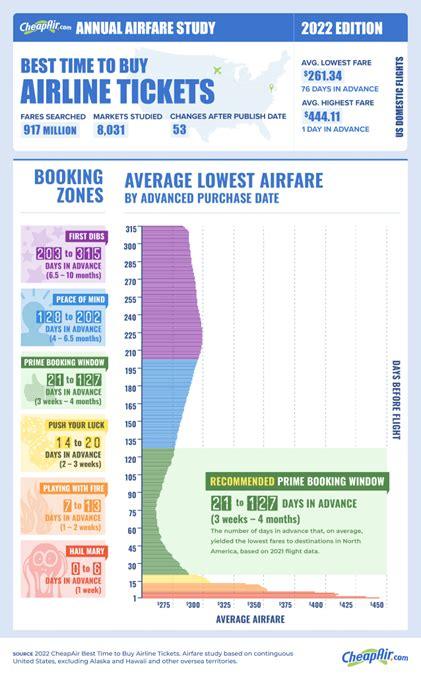
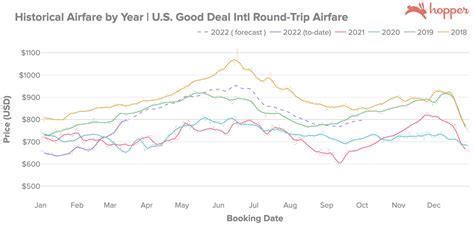
It’s vital to distinguish between booking dates and travel dates. Booking early in the week doesn’t necessarily mean you’re flying on a Monday or Tuesday. Instead, it means you’re purchasing tickets on those days—often weeks in advance of your actual trip. Data suggests that flights booked at least 28–35 days in advance and purchased on a Tuesday yield the most favorable pricing.
In addition, flight prices fluctuate by the hour, not just by the day. While Tuesdays may offer a statistical advantage, savvy travelers use tools like Google Flights, Hopper, Kayak, and Skyscanner to monitor prices in real time. Setting alerts and acting quickly when a price drops is far more reliable than blindly relying on day-based strategies.
The Worst Day to Book Is Not Always the Worst Day to Fly
It’s important not to confuse worst days to book flights with worst days to fly. While booking on a Saturday is costly, flying on a Saturday can often be cheaper due to lower in-airport demand. Similarly, midweek flights (Tuesday and Wednesday) are typically the least expensive days to travel, especially for domestic routes. The takeaway: buy your ticket on a Tuesday, but if possible, fly on one too.
What Drives Weekend Price Spikes?
Several real-world factors feed into the elevated weekend pricing model:
- Leisure travelers: Most people plan vacations over the weekend, increasing traffic on booking sites.
- Payday cycles: The end of the week aligns with many paydays, resulting in a rise in discretionary spending.
- Limited competition: Airlines often pause promotional fare releases over the weekend, reducing options.
- Reduced customer support: Fewer agents available for fare adjustments or disputes during weekends may influence pricing flexibility.
Strategic Tips to Avoid the Worst Booking Days
To bypass the financial pitfalls of weekend flight shopping, we recommend the following strategic behaviors:
- Use incognito mode or clear cookies when searching repeatedly to avoid price inflation.
- Set up alerts across multiple platforms to track price trends by day.
- Book at least four weeks in advance, ideally during early weekdays.
- Avoid making impulse purchases on weekends when price variability is highest.
- Explore alternative airports or flexible dates to maximize savings.
Leveraging Points and Miles to Offset Poor Timing
If circumstances force you to book on an expensive day, consider offsetting the cost using airline miles or credit card points. Many premium travel credit cards offer sign-up bonuses between 40,000 to 100,000 points, which can cover multiple domestic flights. Platforms like Chase Ultimate Rewards and American Express Membership Rewards allow flexible point redemptions that often beat cash prices—especially when fares are artificially inflated on weekends.

Final Thoughts: Book Smart, Not Convenient
While convenience is a compelling reason to book flights over the weekend, the data shows that Saturday and Friday are the most expensive days to do so. Instead, travelers should aim to secure tickets early in the week, especially on Tuesday afternoons, and utilize real-time tracking tools to make informed decisions. By aligning purchasing behavior with airline pricing trends, it’s possible to save not just a few dollars—but potentially hundreds—on each flight.
The rules may not be absolute, but the trends are clear. Booking wisely isn’t about guessing; it’s about knowing when to click ‘buy’. And as the airfare economy grows ever more complex, mastering these subtleties becomes not just a way to travel smarter, but a necessity in a world of algorithm-driven pricing warfare.