The countdown to Alaska Airlines’ first-ever nonstop flight from Seattle to Rome has triggered a rare kind of aviation electricity. This is not the usual buzz around a new route announcement or a shiny aircraft type entering service. Instead, it is an internal surge of enthusiasm so intense that it has created one of the largest standby lists the industry has ever seen, pushing the airline to the brink of a possible world record before the aircraft has even left the gate.
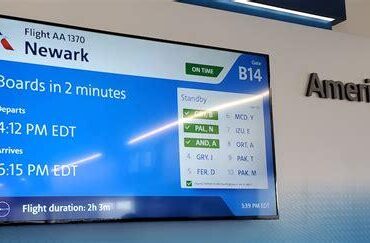
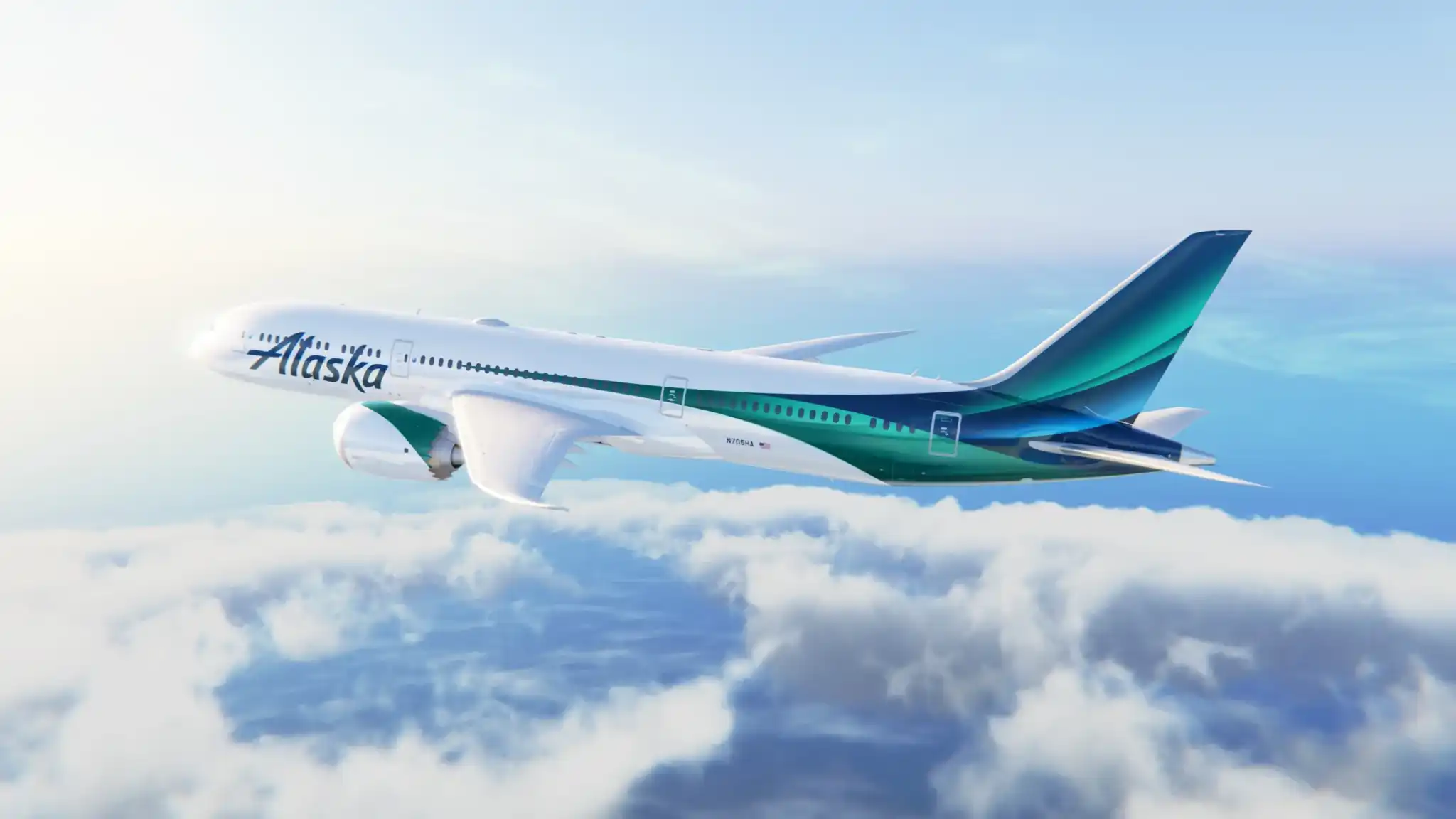
At the center of this phenomenon is Flight AS180, scheduled to depart Seattle-Tacoma International Airport on April 28 bound for Rome Fiumicino. More than 1,100 Alaska Airlines employees and eligible family members have already placed themselves on standby, a number that continues to climb with months still remaining before departure. In aviation terms, this is extraordinary. The Boeing 787-9 assigned to the route seats roughly 300 passengers, meaning the standby list is approaching four times the aircraft’s total capacity.
This surge is not driven by discounted fares or promotional giveaways. It is driven by symbolism. Alaska’s Rome debut represents a historic expansion for an airline long associated with the US West Coast and domestic flying, and employees clearly want to be part of that moment.
By the time tickets went on sale in November, the flight was already shaping up to be a milestone. Rome will become Alaska Airlines’ first nonstop transatlantic destination from Seattle and only its third long-haul route overall, following last year’s launches to Tokyo Narita and Seoul Incheon. Even today, with the inaugural flight still offering more than 100 seats for paying customers, the internal demand has become the headline.
A Standby List Unlike Anything Seen Before
The numbers alone explain why aviation forums and social media have seized on the story. Within weeks of the Rome route opening for employee listings, hundreds of non-revenue passengers added their names. That figure steadily rose past 1,000, prompting speculation that Alaska Airlines was witnessing a new global benchmark for standby demand on a single flight.
The airline itself took the unusual step of intervening. An internal message urged employees to remove themselves from the list unless they were fully committed to traveling, reminding staff that the standby total already exceeded the aircraft’s capacity. The tone was polite but pointed, emphasizing fairness and collegiality. Despite that appeal, the list continued to grow, surpassing 1,150 names by midweek.
This reaction reveals something deeper than a love for Italy. In airline culture, inaugural flights are rites of passage. They combine pride, nostalgia, and the sense of witnessing a company’s evolution firsthand. Alaska’s Rome flight encapsulates all three.
Why Rome Matters So Much to Alaska Airlines
Rome is not just another dot on the route map. For Alaska Airlines, it signals a strategic shift toward long-haul international flying anchored in Seattle. The SEA–FCO route will operate daily on a seasonal basis through the summer, covering a distance of 4,943 nautical miles and opening a direct gateway between the Pacific Northwest and Southern Europe.
Flight AS180 is scheduled to depart Seattle at 5:30 PM, arriving in Rome at 1:15 PM local time the following day. The return flight, AS181, leaves Rome at 3:25 PM and lands back in Seattle at 5:45 PM. These timings are carefully designed to maximize connectivity at Seattle while offering convenient arrival windows in Italy.
For Alaska Airlines CEO Ben Minicucci, the route carries personal significance. As an Italian American whose parents immigrated from Italy, the Rome launch represents both a professional milestone and a family story coming full circle. His public remarks framed the route as a long-standing request from customers and a natural evolution of the airline’s ambitions.
Competitive Pressure Over the North Atlantic
Alaska will not be alone on the Seattle–Rome corridor for long. Delta Air Lines, its primary rival at Seattle-Tacoma, is set to launch its own seasonal service on May 6. Delta plans to operate the route four times weekly using the Airbus A330-900, configured with 281 seats across Delta One, Premium Select, and economy cabins.
This parallel launch underscores Seattle’s growing role as a transatlantic gateway. For Alaska, the Rome route also strengthens its value proposition within the oneworld alliance, offering loyalists a nonstop alternative to connecting itineraries via London or Dublin on partner airlines such as British Airways and Aer Lingus.
Is This Really a World Record?
As impressive as Alaska’s standby numbers are, the question of a true world record remains unsettled. Aviation history offers several comparable moments of extraordinary employee demand. In 2019, Southwest Airlines reportedly logged more than 1,500 standby passengers for its inaugural flight from Oakland to Honolulu. Other examples include US Airways’ final San Francisco–Philadelphia flight in 2015, which drew over 1,000 standbys, and United Airlines’ last Boeing 747 service, where nearly 300 hopefuls lined up for a seat.
What distinguishes Alaska’s Rome debut is the combination of scale and timing. With weeks still to go before departure, the standby list continues to expand. If the trend holds, Flight AS180 could surpass previous benchmarks and claim the unofficial title outright.

Beyond the Numbers, a Test of Market Strength
While the standby spectacle captures attention, Alaska Airlines’ real measure of success will be commercial. The airline must demonstrate that the Rome route can consistently attract fare-paying passengers across the summer season, not just on its inaugural day. Early seat availability suggests room for growth, but the broader demand dynamics will become clearer once the route settles into regular operation.
Still, the enthusiasm from within the company sends a powerful signal. Employees are often the most honest barometer of an airline’s confidence in its own future. Their eagerness to board this flight reflects belief in Alaska’s long-haul strategy and pride in seeing the brand take a bold step onto the global stage.
Whether or not a world record is officially crowned, Alaska Airlines’ Rome debut has already carved out a place in aviation lore. Few flights manage to become historic before the wheels ever leave the runway.