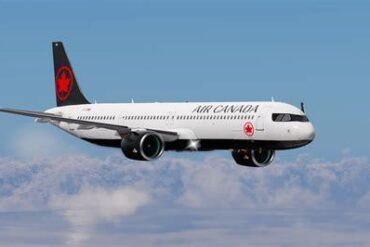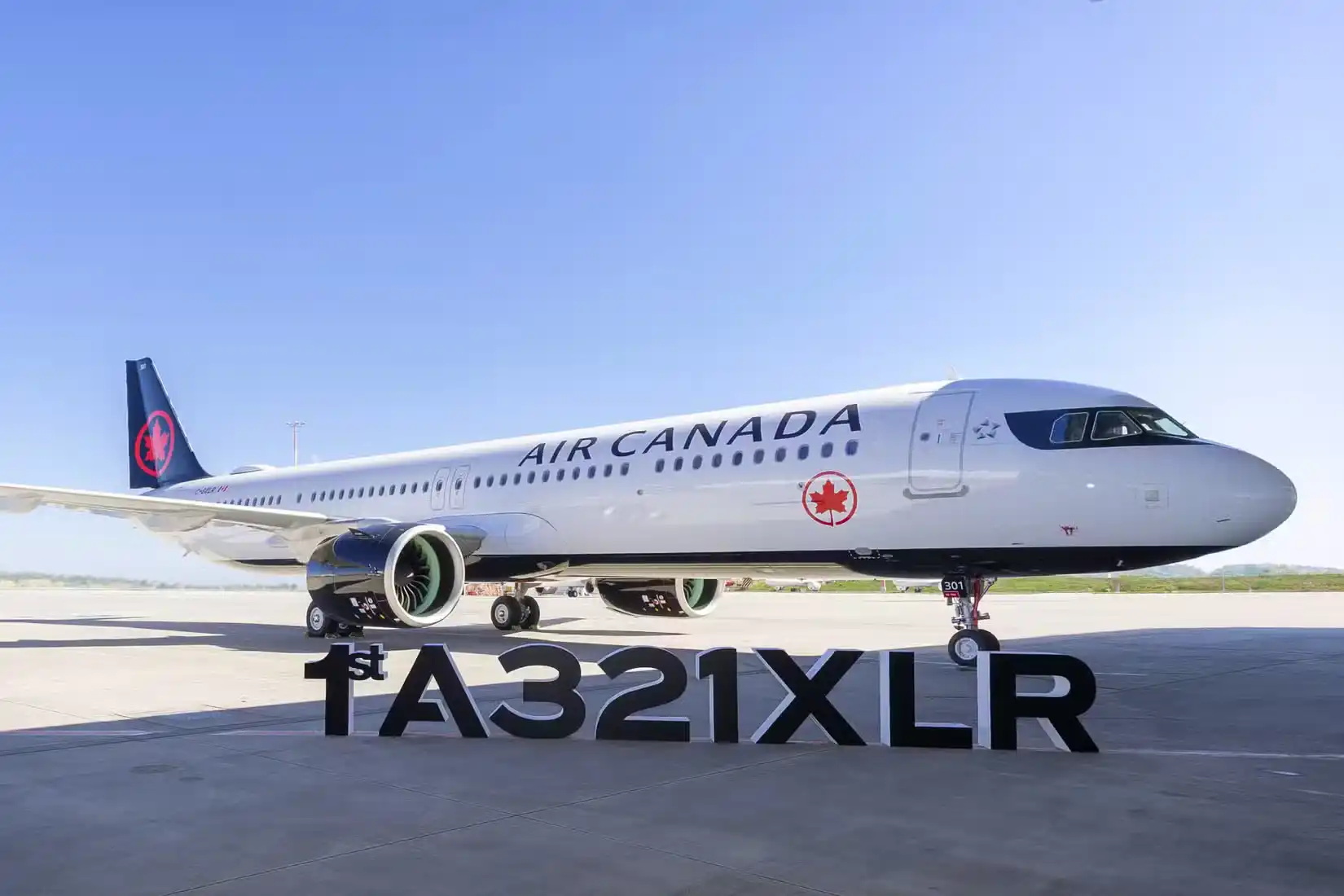
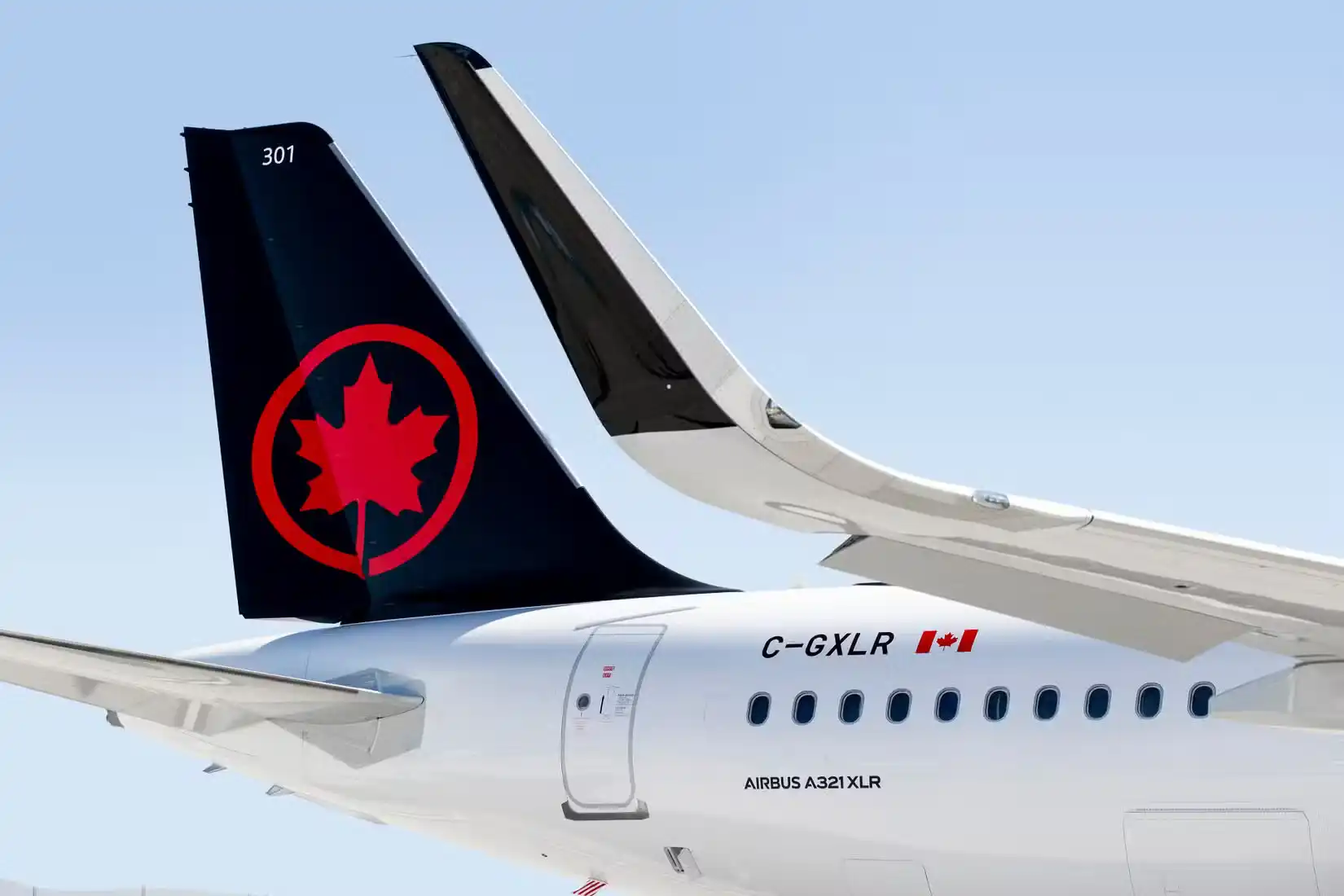
Air Canada has officially ushered in a transformative chapter in its fleet evolution, taking delivery of its first Air Canada Airbus A321XLR in Hamburg. The aircraft, fresh from its maiden flight just weeks ago, now begins its journey across the Atlantic toward Canada, marking the beginning of a 30-aircraft rollout that will fundamentally reshape the airline’s network strategy.
This is not merely a fleet addition—it is a calculated pivot. The A321XLR sits at the intersection of long-haul capability and narrowbody efficiency, offering airlines the ability to operate routes once deemed economically unviable. For Air Canada, this aircraft is poised to unlock new transatlantic opportunities while maintaining a premium onboard experience traditionally reserved for widebody jets.
The delivery, completed in Hamburg and supported through a lease agreement with SMBC Aviation Capital, signals the start of a phased integration that will see the aircraft enter commercial service in just over seven weeks. As it flies toward Windsor, Ontario, it carries with it not just passengers-to-be, but a strategic shift in how the airline connects continents.
A Strategic Fleet Investment With Long-Term Impact
Air Canada’s commitment to the A321XLR extends far beyond a single delivery. With a total of 30 aircraft on order—split evenly between leased and directly acquired units—the airline is positioning itself to dominate long, thin routes where demand fluctuates but premium service remains essential.
Unlike traditional widebody deployments, which often require consistently high passenger loads to remain profitable, the A321XLR enables flexibility. It allows Air Canada to scale capacity without sacrificing range, opening doors to secondary European cities and seasonal routes that were previously underserved.
Mark Galardo, the airline’s Chief Commercial Officer, has described the aircraft as “game-changing,” and the reasoning is clear. With its extended range and reduced operating costs, the A321XLR provides a powerful tool for network optimization, particularly across the North Atlantic.
This strategic move also reflects a broader industry trend, where airlines increasingly seek aircraft that balance efficiency with passenger experience. In this context, the A321XLR is not just a solution—it is a competitive advantage.
From Hamburg to Canada: The Journey Before Service Entry
Following its formal handover, the aircraft embarked on its delivery flight from Hamburg to Windsor, Ontario. This transatlantic journey is only the beginning of a detailed and rigorous entry-into-service process.
Once on Canadian soil, the aircraft will undergo a series of final preparations. These include:
- Local regulatory compliance checks and documentation
- Crew familiarization and pilot training sessions
- Maintenance inspections and operational validation
- Cabin readiness adjustments and final system calibrations
This phase is critical. It ensures that every system, from avionics to in-flight entertainment, meets Air Canada’s operational standards before the aircraft is introduced into scheduled service.
The timeline is tight but deliberate. Within just over seven weeks, the A321XLR is expected to carry its first passengers, marking one of the fastest inductions of a new aircraft type into the airline’s fleet.
Redefining Transatlantic Routes With Precision and Flexibility
The A321XLR’s true value becomes evident when examining its planned route deployment. Air Canada’s initial network strategy centers heavily on Montréal, leveraging the city’s geographic advantage for transatlantic operations.
The inaugural route—from Montréal–Trudeau International Airport to Toulouse-Blagnac Airport—is set to launch on June 15. This route alone will see 266 scheduled movements by the end of the year, underscoring its importance in the rollout strategy.
Additional destinations include Berlin, Nantes, Porto, and Lyon, with a gradual expansion into Lisbon and Tenerife. Toronto will join the network later in the year, introducing routes to Manchester, Copenhagen, and London.
One standout example is the Toronto–Copenhagen route, linking Toronto Pearson International Airport with Copenhagen Airport. At approximately 3,900 miles, this route pushes the A321XLR’s capabilities while demonstrating its efficiency. Previously operated by a Boeing 787-9, the shift to a narrowbody reflects seasonal demand optimization without compromising connectivity.
A Premium Narrowbody Experience That Challenges Widebodies
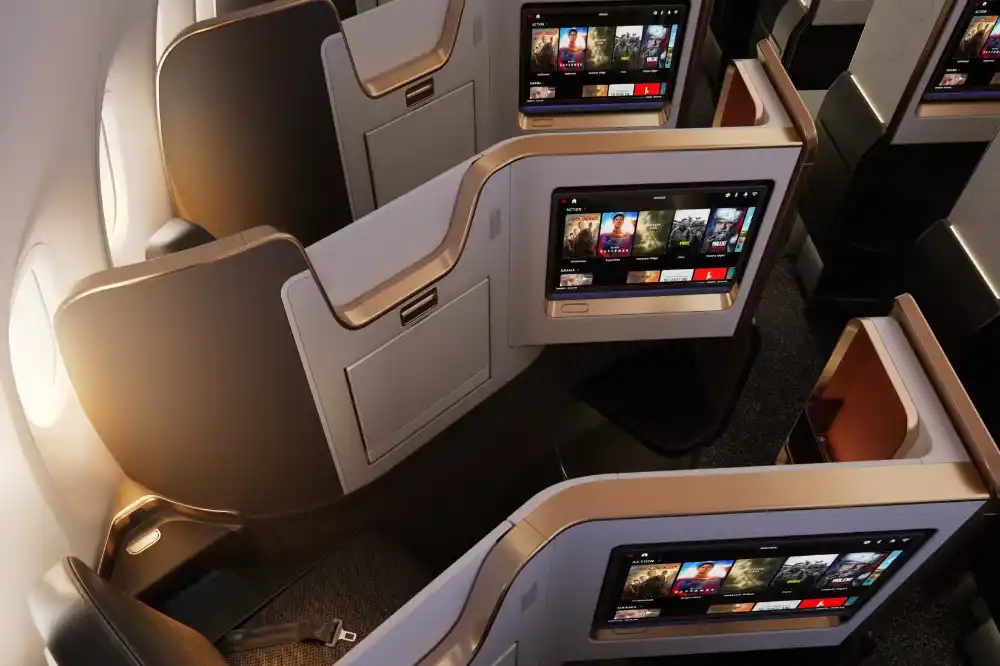
Step inside the A321XLR, and the distinction between narrowbody and widebody begins to blur. Air Canada has configured the aircraft with 182 seats, including 14 lie-flat Signature Class seats—a first for a single-aisle aircraft in its fleet.
This premium cabin is designed to rival long-haul business class offerings, featuring:
- Fully lie-flat seating in a private, refined layout
- 19-inch 4K OLED seatback screens
- Bluetooth audio connectivity for personal devices
Meanwhile, the Economy Class cabin does not compromise on comfort. With 168 seats, passengers benefit from:
- 13-inch 4K OLED displays
- USB-C and AC power at every seat
- Enhanced ergonomics and seat design
Across the aircraft, the new “Glowing Hearted” cabin standard introduces a cohesive design language. From larger overhead bins to high-speed Wi-Fi for Aeroplan members, every detail has been engineered to elevate the passenger experience.
Design Meets Identity: A Cabin Rooted in Canadian Aesthetics
Air Canada has taken a deliberate approach to interior design, embedding its national identity into the aircraft’s aesthetic. The cabin features a palette of grey and stone tones, accented by red stitching and bronze highlights.
Natural wood grain finishes add warmth, while a backlit maple leaf canopy at the entrance creates a distinct sense of arrival. These elements combine to form an environment that feels both modern and unmistakably Canadian.
The result is a cabin that transcends expectations for a narrowbody aircraft. It is not simply about efficiency—it is about delivering a consistent, premium brand experience across all routes.
The A321XLR as a Network Game-Changer
The introduction of the A321XLR represents a broader shift in how airlines approach long-haul travel. Traditionally dominated by widebody aircraft, transatlantic routes are now being redefined by smaller, more efficient platforms capable of delivering similar experiences.
For Air Canada, this means greater agility. The airline can now explore new markets, adjust capacity based on demand, and maintain profitability even on routes with lower passenger volumes.
This flexibility is particularly valuable in today’s dynamic aviation landscape, where demand patterns are increasingly unpredictable. By deploying the A321XLR, Air Canada is not just adapting—it is anticipating future trends.
A New Era Begins
As the aircraft makes its way home from Hamburg, it symbolizes more than a delivery—it marks the beginning of a new operational philosophy. The A321XLR bridges the gap between efficiency and experience, enabling Air Canada to expand its reach without compromising its brand.
In the months ahead, as more aircraft join the fleet and new routes come online, the impact of this strategic investment will become increasingly visible. What starts with a single delivery today will soon evolve into a network-wide transformation.
The age of long-range narrowbody dominance has arrived—and Air Canada is positioning itself at the forefront.