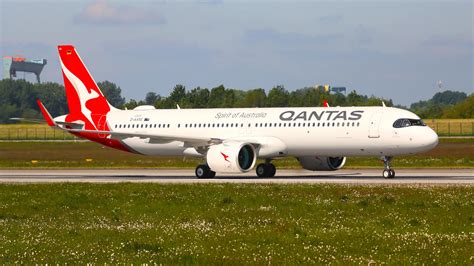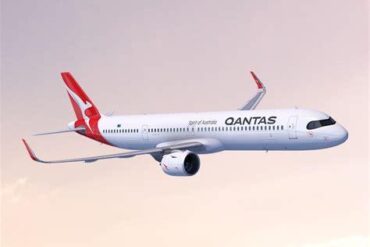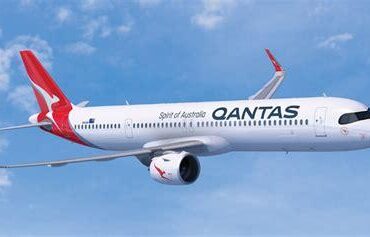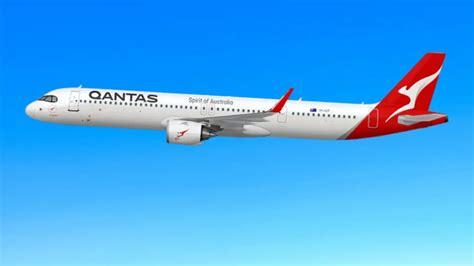
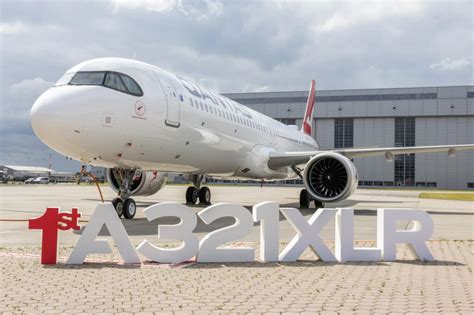
Qantas has officially taken delivery of its first Airbus A321XLR, marking a major milestone in long-range single-aisle aviation and sustainable travel across the Asia-Pacific region. The aircraft’s arrival—after a high-profile delivery flight from Hamburg to Sydney with a strategic stopover in Bangkok, Thailand—signals a bold shift in the airline’s operational and environmental ambitions. For the national carrier of Australia, this moment is not just about expanding its fleet; it’s about redefining regional and transcontinental air travel.
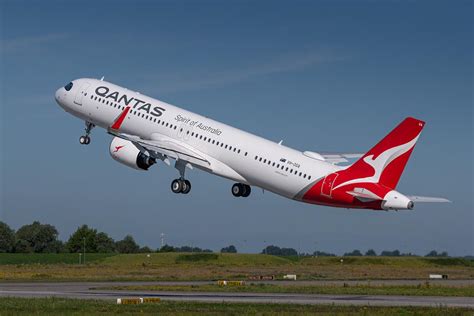
A Delivery with Purpose: Hamburg to Sydney via Bangkok
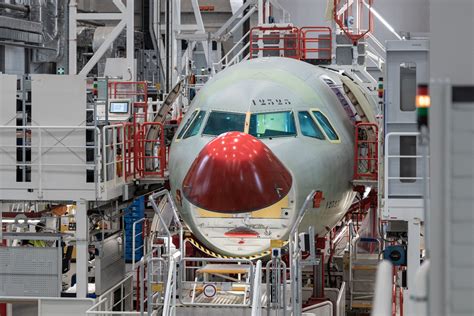
The journey of the Airbus A321XLR began at Airbus’s Finkenwerder facility in Hamburg, Germany. But rather than a direct route to Sydney, Qantas made a strategic choice to route the aircraft through Bangkok, highlighting both the aircraft’s range and the pivotal role Southeast Asia plays in the future of regional travel.
This Bangkok stopover wasn’t simply a technical layover—it was a live demonstration of the A321XLR’s core strength: ultra-long range for a narrowbody jet. Covering nearly 4,700 nautical miles, the aircraft showcased its ability to bridge continents with minimal fuel stops and lower emissions, reinforcing its identity as the longest-range single-aisle aircraft ever built.
The Technological Marvel of the A321XLR
Underneath its familiar Airbus A320-family exterior, the A321XLR is packed with innovations. Designed for missions that previously required widebody jets, it represents a leap forward in single-aisle aircraft technology:
- Range: Up to 4,700 nautical miles, capable of connecting Sydney to Bali or Brisbane to Tokyo nonstop.
- Fuel Efficiency: 30% lower fuel burn compared to previous-generation narrowbody jets.
- Lower Emissions: Reduced CO₂ footprint per passenger and enhanced capability for Sustainable Aviation Fuel (SAF).
At the heart of its performance are the Pratt & Whitney GTF engines, engineered to deliver quieter, cleaner, and more fuel-efficient operations. These engines represent the cutting edge of propulsion systems, critical in Qantas’s journey to a more sustainable future.
Inside the Cabin: Comfort Meets Range
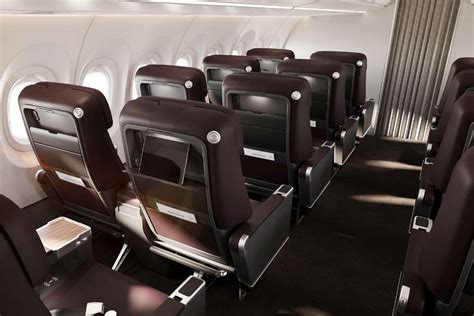
Qantas’s A321XLR is configured in a two-class layout, engineered for comfort on both domestic and international routes. The airline has paid close attention to passenger experience, optimizing the cabin for journeys lasting up to seven hours:
- 20 Business Class seats: Featuring generous legroom, adjustable recline, and enhanced personal space.
- 177 Economy Class seats: Ergonomically designed for comfort, even on longer flights.
The design ethos extends beyond seating. Cabin lighting, overhead storage, and in-flight entertainment systems have all been tailored for modern travelers who expect widebody comforts on a single-aisle frame.
A Strategic Investment: 40 Aircraft Across Two Brands
This delivery marks the first of 40 Airbus A321XLRs ordered by the Qantas Group, with the split strategically aligned:
- 28 aircraft will be integrated into Qantas’s mainline operations.
- 12 aircraft are destined for Jetstar, its low-cost subsidiary.
This fleet renewal reflects Qantas’s deep commitment to building a modern, flexible, and fuel-efficient operation. It also allows the airline to expand strategically across both premium and low-cost markets while controlling operating costs and emissions.
Domestic Operations Now, Global Reach Soon
In its initial phase, the A321XLR will be deployed on high-density domestic routes. These include flagship corridors like:
- Sydney to Perth
- Melbourne to Darwin
- Brisbane to Cairns
However, the long-term vision is far more ambitious. With its unmatched range, Qantas is poised to unlock “thin” international routes—those that were previously economically unviable for widebody aircraft. These include:
- Brisbane to Osaka
- Melbourne to Ho Chi Minh City
- Sydney to Cebu
This opens up a world of new possibilities for Australian travelers and for inbound tourism from across Asia.
The Sustainability Agenda: More Than Symbolic
The arrival of the A321XLR is also a loud declaration of Qantas’s environmental goals. As aviation grapples with its carbon footprint, this aircraft offers real progress:
- Capable of operating with up to 50% SAF immediately.
- Targets 100% SAF capability by 2030.
- Reduces lifecycle emissions significantly through next-gen engines and lighter materials.
Qantas’s sustainability roadmap aligns with the International Air Transport Association’s (IATA) push for net-zero emissions by 2050, and the A321XLR plays a central role in this journey.
Regional Disruption: Asia-Pacific’s Aviation Landscape Shifts
In an era where airlines seek to balance efficiency with reach, the A321XLR is a regional disruptor. The aircraft bridges the long-standing gap between narrowbody economics and widebody range. For Asia-Pacific, a region with diverse geographies and travel needs, this offers transformational value:
- Point-to-point connectivity between secondary cities.
- Reduced need for hub-and-spoke models.
- More direct routes, minimizing layovers.
This shift could redefine tourism flows, business connectivity, and cargo networks across Southeast Asia, Northeast Asia, and Oceania.
Competitive Edge: Qantas Leaps Ahead
Qantas’s proactive acquisition of the A321XLR gives it a crucial advantage over competitors still dependent on older, less flexible fleets. While regional rivals such as Singapore Airlines, AirAsia X, and Scoot continue to operate either short-haul or full widebody services, Qantas is carving out a unique mid-haul niche that blends cost-efficiency with route expansion.
This move also enables Qantas to become the first mover on under-served international pairings, winning loyalty from business travelers and tourists alike who value direct flights and modern aircraft.
Industry Reactions: A Global Spotlight
The global aviation industry is watching closely. With over 500 orders already secured by Airbus, the A321XLR has proven its appeal. But Qantas’s high-profile entry into service could act as a catalyst for broader adoption, especially among carriers looking to balance reach with sustainability.
Aviation analysts suggest that Qantas’s operational data and customer feedback will be closely studied by airlines in India, Indonesia, Japan, and South Korea, all of which are actively exploring fleet renewals with environmental implications in mind.
The Road Ahead: More Than Just a Plane
As the Qantas A321XLR glides through the skies over Southeast Asia en route to its final home in Sydney, it carries more than just passengers. It carries expectations, aspirations, and a promise of smarter, greener travel.
For Qantas, this moment is not just a fleet update—it’s a declaration of leadership in a post-pandemic world where resilience, innovation, and responsibility define the aviation frontier. The combination of range, flexibility, passenger comfort, and emissions-conscious design ensures the A321XLR will shape air travel for decades to come.
Australia’s skies just got a little more ambitious. And the world is ready to fly along.