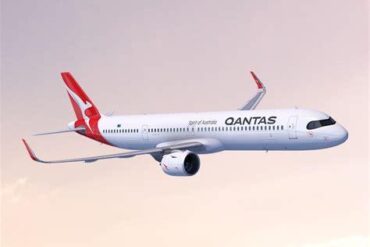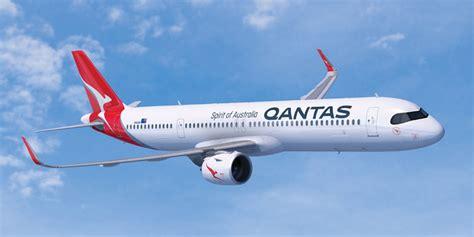
Qantas, Australia’s flagship airline, is poised to enter a transformative chapter in its history with the arrival of its first Airbus A321XLR, marking a significant leap in fleet modernization, network expansion, and elevated passenger experience. Set to touch down at Hangar 96 in Sydney on July 2, 2025, at precisely 10:30 AM, this next-generation aircraft symbolizes Qantas’ commitment to efficiency, sustainability, and global competitiveness.
The introduction of the A321XLR, part of an ambitious order of 28 aircraft, positions Qantas at the forefront of aviation innovation, addressing both the evolving demands of modern air travel and the airline’s strategic goals.
Qantas’ Bold Step Towards Fleet Modernization and Network Expansion
For over two decades, Qantas’ Boeing 737 fleet has been the backbone of its domestic operations, with some aircraft approaching 25 years of service. The arrival of the A321XLR—standing for ‘Extra Long Range’—marks a pivotal moment in the airline’s strategy to replace aging aircraft with cutting-edge, fuel-efficient alternatives. The narrow-body design of the A321XLR brings with it the unique capability of operating both high-density domestic routes and medium to long-haul international services.
Initially, Qantas will deploy the A321XLR on popular domestic routes connecting Sydney, Melbourne, and Brisbane, routes known for their intense frequency and passenger volume. However, the aircraft’s extended range of up to 8,700 kilometers opens the door to lucrative international destinations previously unreachable with narrow-body aircraft.
Potential new routes under consideration include Melbourne to Manila and Perth to Phuket, enhancing Qantas’ presence in key Asian markets and offering greater flexibility within its international network. These additions will strengthen the airline’s regional footprint and provide passengers with more non-stop travel options.

Enhanced Passenger Comfort: A New Benchmark for Domestic and Regional Travel
One of the most notable improvements the Airbus A321XLR brings to Qantas is a significant enhancement in cabin comfort and capacity. Measuring approximately five meters longer than the Boeing 737, the aircraft enables increased seating while maintaining a focus on passenger experience.
In its domestic configuration, the A321XLR offers:
- 20 Business Class seats in a 2-2 layout, an upgrade from the 737’s 12 seats. These seats feature a 37-inch pitch, extendable calf rests, and footrests, delivering superior comfort for longer journeys.
- 177 Economy Class seats arranged 3-3 across the cabin. While maintaining a 30-inch seat pitch, these seats are slightly wider than those on the 737, ensuring more space for passengers without sacrificing operational efficiency.
These enhancements signal Qantas’ commitment to delivering an elevated passenger experience, particularly on routes that stretch the traditional boundaries of narrow-body operations.
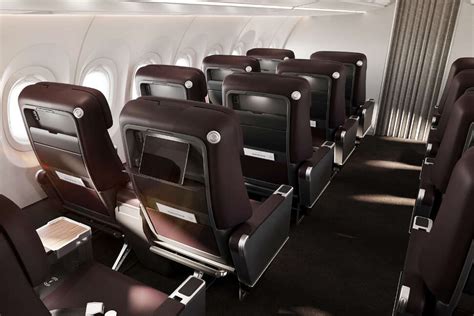
Next-Level In-Flight Amenities and Smarter Cabin Design
Beyond comfort, the A321XLR integrates several modern features aimed at improving both functionality and convenience for travelers. A standout is the 60% increase in overhead storage space, enabling each passenger to stow at least one wheeled carry-on bag with ease. This reduces boarding times and eliminates overhead bin congestion, a common pain point for frequent flyers.
Furthermore, every seat on board comes equipped with USB-A and USB-C charging ports, ensuring passengers remain connected and powered throughout their journey. In Business Class, travelers will also enjoy wireless charging stations, underscoring Qantas’ investment in modernizing the in-flight experience.
Qantas has also made a bold design decision by forgoing traditional seatback entertainment screens. Instead, passengers are encouraged to access a wide array of content—including movies, TV series, and more—through the Qantas app, streamlining the cabin environment while reducing aircraft weight and improving fuel efficiency.
A Tribute to Australian Heritage: VH-OGA ‘Great Ocean Road’
Staying true to its roots, Qantas has chosen a meaningful registration and name for the first A321XLR. The aircraft carries the registration VH-OGA, previously assigned to a retired Boeing 767-300, linking the new generation of aircraft to Qantas’ storied past.
In homage to Australia’s natural beauty, the aircraft is named ‘Great Ocean Road’, after the renowned scenic coastal drive in Victoria, famous for its breathtaking landscapes and landmarks such as the Twelve Apostles.
This tribute reflects Qantas’ philosophy of blending tradition with progress, honoring the nation’s heritage while propelling the airline into a new era of aviation excellence.
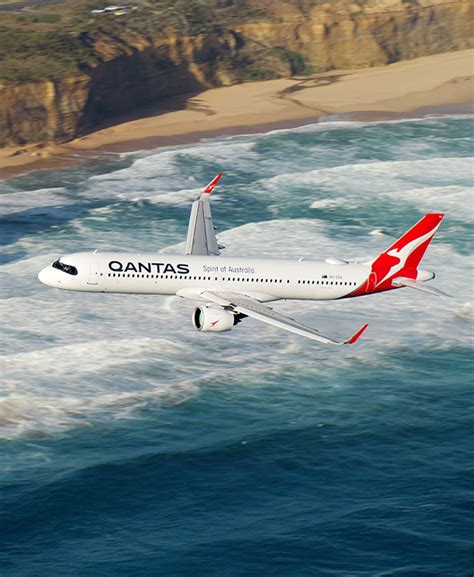
Engineering Excellence: Power, Efficiency, and Sustainability
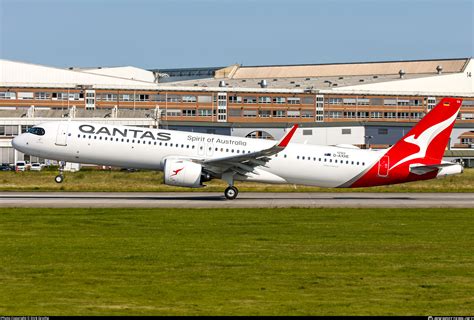
Underpinning the A321XLR’s impressive performance are its Pratt & Whitney PW1133G engines, offering a blend of fuel efficiency, reduced emissions, and quieter operations. The aircraft completed its first successful test flight on April 8, 2025, under the German registration D-AXXE, signaling its readiness for integration into Qantas’ operations.
The A321XLR aligns with Qantas’ broader sustainability goals, designed to minimize the airline’s environmental footprint while maximizing operational performance. With its extended range and optimized fuel consumption, the aircraft allows Qantas to operate routes previously only feasible with wide-body jets, but with significantly lower costs and emissions.
Global Leadership in Aviation Innovation
With the introduction of the A321XLR, Qantas joins a select group of forward-thinking airlines—including Iberia, Aer Lingus, and Wizz Air—that are among the first to operate this revolutionary aircraft type. This strategic move reinforces Qantas’ reputation as a leader in adopting cutting-edge aviation technology and modernizing its fleet to meet evolving passenger demands.
As global air travel rebounds and competition intensifies, the A321XLR offers Qantas an invaluable advantage: the ability to open new markets, optimize route networks, and deliver superior customer experiences—all while advancing the airline’s commitment to sustainability.
Looking to the Future: Qantas’ Vision for Global Growth and Excellence
The arrival of the Airbus A321XLR is not merely a fleet upgrade; it symbolizes Qantas’ ambitious vision for the future. By integrating next-generation aircraft into its operations, the airline is better positioned to cater to rising passenger demand, expand into emerging markets, and maintain its competitive edge on both domestic and international fronts.
The aircraft’s versatility supports Qantas’ goals of offering seamless connectivity across Australia, Asia, and beyond, while maintaining high standards of comfort and efficiency. Whether on a short-haul flight between Sydney and Brisbane, or a newly inaugurated international route to Southeast Asia, passengers can expect a travel experience that reflects the best of modern aviation.
As Qantas prepares to welcome the ‘Great Ocean Road’ into its fleet, the stage is set for a transformative era—where innovation, sustainability, and exceptional service converge to redefine the future of air travel for Australia and the world.