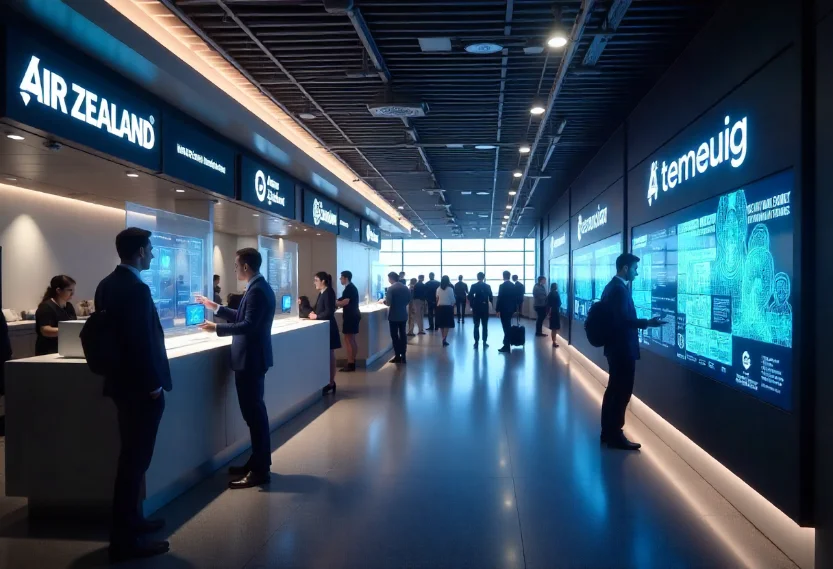
Air New Zealand has embarked on a transformative journey by partnering with OpenAI, integrating state‑of‑the‑art artificial intelligence into both customer‑facing and operational functions. This alliance marks the first time an Aotearoa‑based carrier has gained direct access to OpenAI’s suite of tools, including ChatGPT Enterprise, which is now being deployed among 3,500 corporate team members to drive innovation across the airline’s entire ecosystem.
Groundbreaking AI Partnership with OpenAI
The airline’s collaboration with OpenAI is unprecedented in New Zealand’s aviation sector, positioning Air New Zealand as a pioneer in AI adoption. Through this partnership, the airline is developing bespoke AI solutions tailored to its unique operational needs, from automated maintenance diagnostics to adaptive customer self‑service interfaces. The integration of ChatGPT Enterprise empowers employees with rapid insights, enabling them to analyze vast data sets, draft communications, and prototype AI‑driven workflows with unmatched speed and accuracy.
Enhancing Customer Experience with AI‑Powered Self‑Service
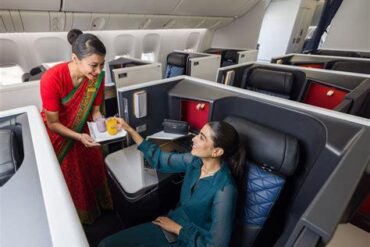
Air New Zealand recognizes that passengers today demand instantaneous, personalized support at every stage of their journey. By leveraging advanced language models, the airline is constructing intelligent chatbots and virtual assistants capable of handling a wide array of requests—ticket bookings, flight status updates, lounge access queries, and bespoke travel recommendations—without human intervention. These AI‑powered interfaces learn from each interaction, refining their responses to deliver seamless, context‑aware assistance. Passengers can now expect dramatically reduced wait times, 24/7 availability, and tailored guidance that anticipates individual preferences based on historical travel behavior.
Streamlining Operations with AI for Smarter, Faster Decisions
Behind the scenes, Air New Zealand is deploying machine learning algorithms to process real‑time telemetry from its fleet. Predictive maintenance models analyze sensor data to forecast component wear and potential failures, enabling technicians to perform targeted inspections and repairs before issues arise. This proactive approach minimizes unscheduled downtime and flight disruptions. Simultaneously, AI‑driven scheduling tools optimize crew rosters, aircraft rotations, and ground handling sequences, delivering cost savings and operational resilience. By embedding these decision‑support systems into its digital backbone, the airline accelerates strategic planning cycles and responds rapidly to dynamic conditions such as weather, airspace constraints, or passenger surges.
Delta Air Lines: AI‑Powered Dynamic Pricing and Customer Care
Delta pioneered AI‑based revenue management through machine learning partnerships like Fetcherr. By analyzing real‑time market demand, booking patterns, and competitor pricing, Delta’s dynamic pricing engine adjusts fares every few seconds, maximizing profitability while maintaining competitive rates. Complementing this, AI chatbots handle routine inquiries—baggage policies, seat upgrades, flight delays—freeing human agents to focus on complex cases. The result is a more agile, customer‑centric operation that delivers tailored offers and swift support at scale.
American Airlines: Forecasting Demand and Automating Support
American Airlines leverages AI for demand forecasting and crew optimization, reducing crew idle time and aligning capacity with market needs. Its AI systems also automate over half of incoming customer queries, routing complex issues to specialized teams. Maintenance teams use predictive analytics to anticipate equipment failures, cutting delay‑inducing breakdowns. These integrated AI workflows yield smoother on‑time performance metrics and elevate passenger satisfaction by proactively resolving disruptions.
British Airways: Mission Control and Sustainable Routing
British Airways’ Mission Control hub harnesses AI to monitor weather, air traffic, and ground operations in real time. By predicting bottlenecks and automatically rerouting flights, BA minimizes delays and cancellations. Further, AI‑driven route optimization reduces fuel burn and emissions by calculating the most efficient flight paths. This dual focus on operational resilience and environmental stewardship exemplifies how AI can drive sustainable aviation practices while maintaining high service levels.
Virgin Atlantic: Digital Core Transformation and Loyalty Personalization
Through a strategic alliance with Tata Consultancy Services, Virgin Atlantic is building an AI‑powered digital core to unify its backend systems. This integrated platform enhances flight planning accuracy, maintenance scheduling, and customer service responsiveness. In parallel, Virgin’s AI‑driven loyalty program analyzes member data to craft individualized reward offers, boosting engagement and retention by delivering perks that align with each traveler’s preferences and travel history.
Volaris: Conversocial Automation for Scalable Support
Low‑cost carrier Volaris employs the Conversocial messaging platform to automate customer interactions across social media, SMS, and in‑app chat. Its AI agents handle high volumes of inquiries—baggage fees, flight changes, refund requests—maintaining consistent quality while reducing operational costs. This scalable model ensures that Volaris can deliver prompt, accurate information to millions of passengers without staffing spikes.
Emirates: Fuel‑Efficient Routing and In‑Flight Personalization
Emirates uses AI to plot optimal flight routes based on live weather data, airspace congestion, and fuel prices, achieving significant savings and lowering carbon footprints. Onboard, AI curates in‑flight entertainment options by analyzing passenger profiles and engagement patterns, serving up tailored movie, music, and dining recommendations that heighten the travel experience.
Southwest Airlines: Resilience Through Predictive Scheduling
Following its 2022 scheduling crisis, Southwest invested heavily in AI‑driven demand forecasting and crew assignment tools. By simulating disruption scenarios and modeling recovery strategies, these systems bolster the airline’s agility during irregular operations, ensuring that flights remain operational and passengers are rebooked efficiently when disruptions occur.
United Airlines: Personalized Updates and Real‑Time Care
United’s “Every Flight Has a Story” initiative uses AI to generate personalized status updates—boarding gate changes, weather advisories, connecting flight information—delivered via app notifications. Their “In the Moment Care” tool applies AI to assess compensation eligibility, empowering frontline staff to resolve passenger issues on the spot with data‑backed recommendations.
Air India: Data‑Driven Maintenance and Passenger Insights
Air India deploys AI to scrutinize flight performance metrics, identifying maintenance needs before failures manifest. Concurrently, AI algorithms parse passenger data to anticipate in‑flight preferences—meal choices, seating comfort, ancillary services—crafting bespoke travel experiences that foster loyalty.
JetBlue Airways: Integrated AI for Pricing and Support
JetBlue harnesses AI to refine its dynamic pricing models and surface personalized service recommendations. Robust chatbot integration manages routine requests, enabling live agents to concentrate on high‑value interactions. The cohesive AI ecosystem ensures that pricing, customer care, and operations function in harmony, delivering consistent reliability.
The Future of AI in the Airline Industry
Artificial intelligence has transitioned from pilot projects to mission‑critical infrastructure within the aviation sector. As airlines refine their AI strategies, we anticipate deeper personalization, hyper‑efficient operations, and novel services such as autonomous in‑flight assistance and real‑time health monitoring. AI’s ability to continuously learn from operational data and passenger feedback will drive iterative enhancements across every facet of air travel.
Developing New AI Solutions with OpenAI APIs
Air New Zealand’s investment in OpenAI’s API ecosystem enables the creation of specialized GPTs for tasks like multilingual support, safety compliance checks, and real‑time crew training. These custom AI agents will automate complex workflows, from emergency response coordination to dynamic menu planning based on passenger demographics and dietary requirements.
A Commitment to Ethical AI Adoption
Recognizing the power of AI, Air New Zealand maintains rigorous governance frameworks to ensure transparency, data privacy, and fairness. Ethical guidelines govern model training, data usage, and decision‑support applications, guaranteeing that AI enhances passenger trust and upholds the airline’s reputation for customer care.
By integrating OpenAI’s cutting‑edge technologies, Air New Zealand is not merely adopting AI—it is redefining what is possible in air travel. Through enhanced self‑service, predictive operations, and ethical stewardship, the airline sets a new benchmark for efficiency, personalization, and innovation, cementing its position as a global leader in digital aviation transformation.