As Israel intensifies Operation Rising Lion against Iran, the modern battlefield is being reshaped not by sheer manpower, but by precision-guided, AI-enhanced missile systems—none more symbolic than the Spike missile system developed by Rafael Advanced Defense Systems. This technological evolution suggests a profound transformation in combat doctrine, where boots on the ground may no longer be a necessity.
The opening phase of Israel’s offensive revealed a strategic choreography of unmanned assaults, with hundreds of drones flooding Iranian airspace to neutralize defenses. What followed was a coordinated strike by over 200 fighter jets, hitting more than 100 critical targets, causing nearly 80 fatalities and injuring over 300 individuals. Amid the aftermath, Iranian state media showcased what appeared to be the abandoned remains of Israeli Spike missile launchers, operated remotely and autonomously inside Iranian territory.
The Spike Missile System: A Technological Vanguard
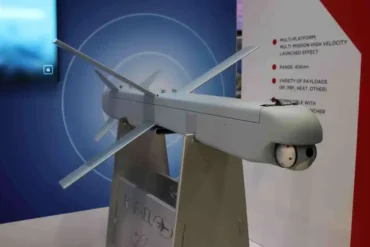
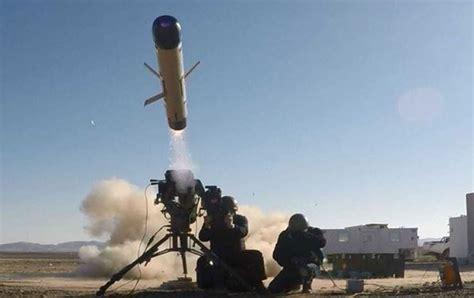
Developed in the 1980s and continuously upgraded, Spike is a family of electro-optically guided, anti-tank missiles capable of being launched from air, land, and naval platforms. Manufactured by Rafael Advanced Defense Systems, Spike missiles are now considered a cornerstone of modern remote warfare. These fire-and-forget weapons can also be manually guided post-launch via fiber-optic cables or wireless links, offering operators the flexibility to adjust course mid-flight.
What makes the latest iterations of Spike revolutionary is their 6th-generation targeting systems, which include high-definition cameras embedded within the missile body and real-time video feed sent back to remote operators. This setup allows for mid-course correction, mission abortion, or target reallocation—all without a single soldier being present near the target area.
Spike’s reach is also impressive. With a maximum operational range of 31 miles, it easily covers deep-strike missions against enemy armor, bunkers, and missile silos from afar. These capabilities, combined with low signature deployment platforms, make the Spike system extremely difficult to detect and counter.
Global Deployment and Rising Tensions
As of mid-2025, over 30,000 Spike missiles have been sold globally to 43 NATO, EU, and allied countries, including Germany, the UK, Canada, and Italy. Its widespread use reflects the growing demand for advanced remote combat tools. However, not all international engagements remain intact.
In June 2025, Spain froze its $325 million deal to purchase 168 launchers and 1,680 Spike missiles. The move, framed as a protest against Israel’s prolonged actions in Gaza, highlights the geopolitical tensions tied to Israeli defense exports. Still, Rafael’s footprint remains solid, especially in the United States, where the Pentagon signed a deal in March 2025 to “Americanize” Spike technology, integrating it into U.S. Army combat systems.
Remote Warfare from Within Enemy Borders
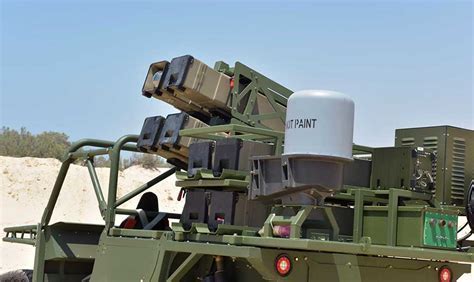
Iran’s revelations following Operation Rising Lion pulled back the curtain on the next phase of remote warfare. Images released by Iranian media showed ground-mounted Spike turrets, cable networks, and component debris—allegedly remnants of systems deployed within Iranian borders and operated via internet-based remote platforms. This suggests Israeli agents—possibly Mossad—smuggled and stationed these systems covertly, controlling them from safe zones either inside Iran or from foreign territory via satellite relays.
Alongside the missile evidence, Iranian intelligence claims to have discovered Israeli drone manufacturing sites in Isfahan and Shahr-e Ray. If confirmed, these would represent a hybrid doctrine—one that blends autonomous manufacturing, decentralized deployment, and remote targeting.
This shift radically redefines the concept of forward deployment. The enemy is no longer at the gates—they’re possibly within them, watching through lenses mounted on munitions that they can launch at will.
The Ethical and Strategic Implications of AI in Warfare
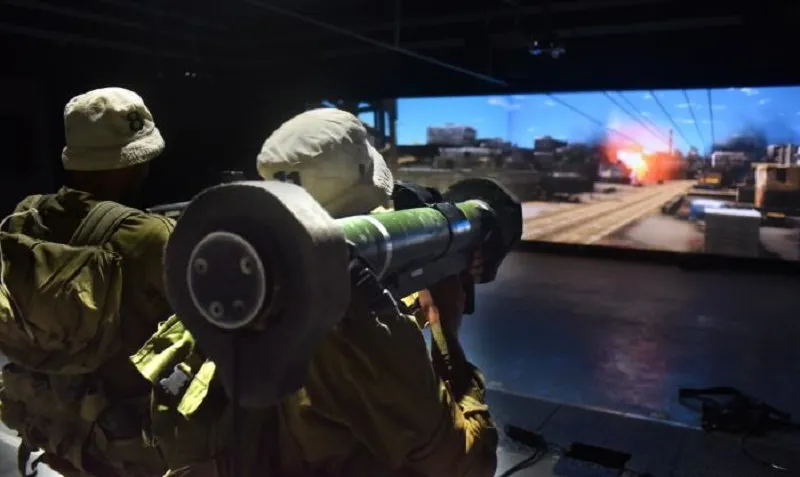
The use of remote and semi-autonomous systems like Spike raises significant ethical questions. The system’s ability to operate without line-of-sight or human-in-theater control pushes the boundaries of what constitutes a combatant. While the Spike missile requires operator input, its integration with AI-enhanced reconnaissance and targeting tools edges closer to lethal autonomous weapons systems (LAWS)—a development the United Nations and human rights organizations have warned against.
The AI-assisted remote assassination of Iranian nuclear scientist Mohsen Fakhrizadeh in 2020 is often cited as a precursor. That operation involved a machine-gun mounted on a vehicle controlled remotely with satellite support. The technology used then has likely evolved into what was witnessed in Operation Rising Lion.
A Global Race Toward Remote Domination
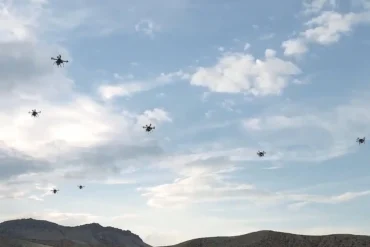
Israel isn’t alone in its pursuit of remote warfare. Ukraine’s Operation Spider’s Web on June 1, 2025, reportedly saw 117 kamikaze drones smuggled deep into Russia, damaging over 40 aircraft at military bases 3,000 miles from Kyiv. Meanwhile, Russia has deployed thousands of autonomous loitering munitions against Ukrainian cities, further demonstrating the global spread of unmanned war tech.
These scenarios echo a singular truth: militaries are shifting from manpower to machinepower. Whether through drones, missiles, or AI-controlled turrets, the 21st-century battlefield is increasingly a digital theater, where operators may never set foot on the soil they attack.
Legal Gray Zones and International Ramifications
What complicates this new warfare model is the lack of clear legal frameworks for remotely operated systems. The Geneva Conventions, drafted in the mid-20th century, do not comprehensively address modern remote or autonomous weapons. The blurring of lines between state aggression, terrorism, and espionage makes accountability difficult.
In the case of Spike missile systems reportedly launched from within Iranian territory, questions arise: Did these strikes violate Iran’s sovereignty more deeply than aerial bombardments? If operated by covert agents, can the act be considered a formal act of war or a clandestine assassination?
More urgently, how should the international community react if remote weapons develop into fully autonomous systems capable of making kill decisions without human approval? The absence of consensus on these issues means that countries like Israel, Russia, and the U.S. will likely continue to expand remote capabilities unchecked.
Rafael’s Expanding Arsenal: Beyond Spike
While Spike remains the centerpiece, Rafael’s weapon innovation ecosystem is much broader. It is the developer of Iron Dome, David’s Sling, and Trophy APS, which collectively represent a layered defense doctrine focused on both interception and retaliation.
Spike fits neatly within this model—serving not just as a defensive deterrent, but as a proactive offensive spearhead. Coupled with real-time battlefield AI, it provides Israel the flexibility to conduct surgical strikes with minimal collateral damage, thereby fulfilling military goals without requiring domestic political justification for troop deployments.

Conclusion: Remote Dominance as the New Military Doctrine
The appearance of remotely operated Spike missile systems inside Iran represents a paradigm shift in modern warfare. What began as a precision-guided anti-tank weapon has evolved into a central pillar of strategic remote assault capabilities. Its deployment in Operation Rising Lion signals not just a tactical innovation, but a transformative moment in military doctrine—one that foresees a battlefield where geography and physical presence matter less than connectivity and sensor fidelity.
In a world increasingly defined by machine decision-making, satellite relays, and unmanned systems, the future of combat may be fought not by soldiers on the battlefield, but by engineers, programmers, and satellite operators from rooms continents away. As global powers rush to develop and deploy similar capabilities, the Spike system stands as a potent symbol of warfare’s irreversible transformation.