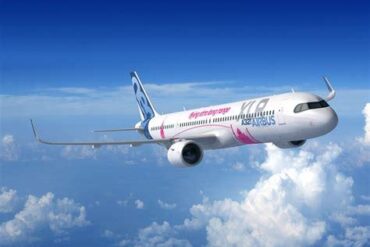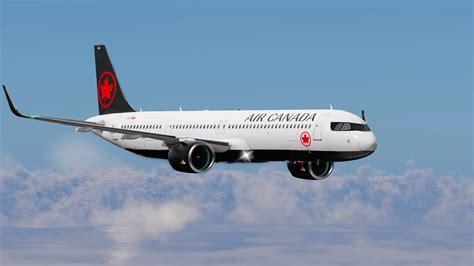
Air Canada is redefining the economics and experience of long-haul travel with the introduction of the Airbus A321XLR. Once considered the domain of widebody aircraft, routes stretching close to nine hours are now firmly within the reach of a single-aisle jet. This shift is not just technological—it represents a strategic recalibration of how airlines deploy capacity, explore niche markets, and compete globally.
With more than 160 airlines operating long-haul flights worldwide, Air Canada has quietly secured its position as the 11th-largest long-haul operator, running an average of 120 daily long-haul departures between May and December 2026. That figure reflects a 7% year-over-year increase, driven by expanding connectivity to Europe, South America, and Asia. However, the most striking transformation lies in the dramatic 128% surge in narrowbody long-haul flights, enabled by aircraft like the A321XLR and Boeing 737 MAX 8.
The Longest A321XLR Route: Copenhagen to Toronto Takes the Crown
At the top of Air Canada’s A321XLR network sits a route that stretches both distance and endurance: Copenhagen to Toronto. Clocking in at up to 9 hours of block time, this service covers approximately 3,395 nautical miles (6,288 kilometers), making it the airline’s longest narrowbody operation.
This route is not just about distance—it reflects operational nuance. Seasonal wind patterns, particularly strong winter headwinds, significantly extend flight durations. The decision to operate this route with the A321XLR highlights the aircraft’s range efficiency and cost advantage, especially when compared to larger widebody jets.
Operating three times weekly during the winter season starting October 27, this route restores year-round service to Denmark’s capital, enhancing Air Canada’s competitiveness while optimizing capacity during lower-demand periods.
Transatlantic Expansion: Routes Pushing the Limits of Narrowbody Travel
Following Copenhagen–Toronto, several other routes push close to the nine-hour threshold, demonstrating the versatility of the A321XLR across diverse markets.
Second on the list is Tenerife South to Toronto, reaching up to 8 hours and 55 minutes. This route is particularly notable as it marks Air Canada’s entry into the Canary Islands—a market previously underserved by North American carriers. The airline’s bold move positions it as the only North American operator in this region following United Airlines’ exit.
The third-longest route, Lyon to Montreal, clocks in at approximately 8 hours and 45 minutes, followed closely by London Heathrow to Toronto and Berlin to Montreal, each reaching around 8 hours and 40 minutes. These routes showcase how the A321XLR enables direct connectivity between secondary European cities and major Canadian hubs, bypassing traditional mega-hub congestion.
Reinventing Heathrow and Strategic Slot Utilization
The deployment of the A321XLR to London Heathrow represents a calculated strategic move. Beginning September 1, Air Canada plans to utilize the aircraft to reintroduce daytime transatlantic service to one of the world’s busiest airports.
This approach leverages the aircraft’s lower trip cost and smaller seat count—182 seats compared to larger widebodies—to maximize profitability in high-demand but slot-constrained environments. By optimizing timing and capacity, Air Canada enhances both yield management and passenger convenience.
New Frontiers: Tenerife and Market Diversification
Air Canada’s expansion into Tenerife South is more than a route addition—it is a market diversification strategy. Launching on October 25, the Toronto–Tenerife route aligns with the industry’s shift to winter scheduling, capturing seasonal leisure demand.
The route operates twice weekly, with outbound flights taking approximately 7 hours and 25 minutes, while return journeys extend to nearly 8 hours and 55 minutes due to prevailing winds. This asymmetry highlights the operational realities of long-haul flying, where directional winds significantly impact flight time and fuel consumption.
By entering underserved leisure destinations, Air Canada taps into high-yield vacation traffic while avoiding saturated business corridors.
Beyond the Top Five: Expanding the A321XLR Network
While the longest routes attract attention, the broader A321XLR network reveals a deeper strategic play. Routes such as Toulouse to Montreal (8h 35m), Manchester to Toronto (8h 5m), and Lisbon to Montreal (8h 5m) demonstrate how the aircraft bridges mid-sized markets with long-haul demand.
Particularly noteworthy is the Manchester route, which transitions from a seasonal operation to a year-round service starting October 25. This move strengthens Air Canada’s competitive stance against carriers like Air Transat, which already operate continuously on this route.
Similarly, routes to Porto and Nantes, each nearing 7 hours and 50 minutes, highlight the airline’s focus on secondary European cities—markets that previously lacked consistent direct connections to Canada.
Cabin Configuration: Balancing Comfort and Efficiency
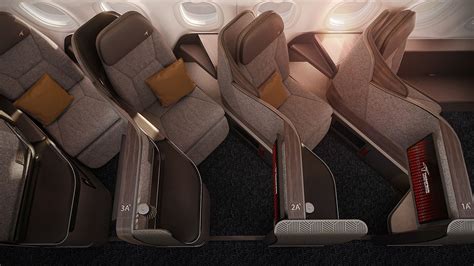
Air Canada’s A321XLR configuration strikes a deliberate balance between premium comfort and high-density economy seating. Each aircraft features:
- 14 lie-flat business class suites
- 168 economy seats
- Total capacity of 182 passengers
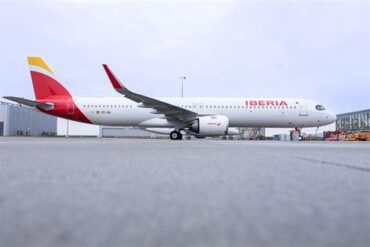
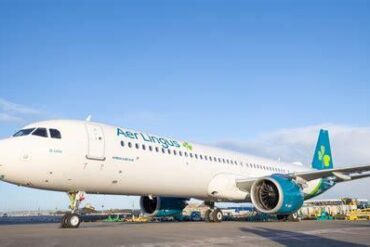
This layout mirrors competitors like Iberia while slightly trailing Aer Lingus in seat count. However, it significantly exceeds the premium-heavy configurations of U.S. carriers such as American Airlines and United Airlines, which prioritize fewer seats and more premium space.
The result is a cabin optimized for mixed-demand routes, accommodating both leisure travelers and business passengers without compromising profitability.
A Strategic Shift in Long-Haul Aviation Economics
The introduction of the A321XLR signals a broader transformation in airline strategy. By enabling long-haul routes with lower operating costs, airlines can:
- Reduce financial risk on new routes
- Increase frequency instead of capacity
- Serve underserved city pairs directly
- Adapt quickly to seasonal demand shifts
For Air Canada, this translates into a more agile network, capable of responding to market changes with precision. The aircraft’s efficiency allows the airline to experiment with new destinations while maintaining strong margins.
The Future of Narrowbody Long-Haul Travel
As the A321XLR enters service, it challenges long-standing assumptions about long-haul travel. Flights approaching nine hours were once unthinkable for narrowbody aircraft, yet they are now becoming standard in airline network planning.
Air Canada’s deployment strategy illustrates how the aircraft is not merely a replacement for older jets but a catalyst for network innovation. By connecting cities that previously required multiple stops or were economically unviable, the airline is reshaping passenger expectations and industry norms.
The era of ultra-efficient, long-range narrowbody travel has arrived—and Air Canada is positioning itself at the forefront of this transformation, one carefully calculated route at a time.