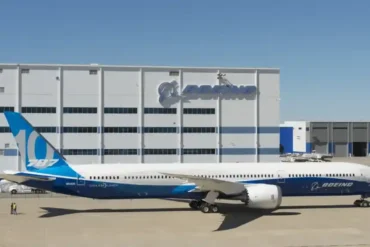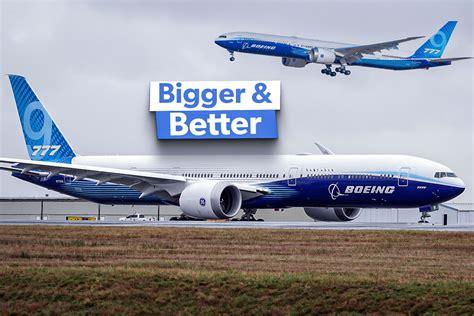
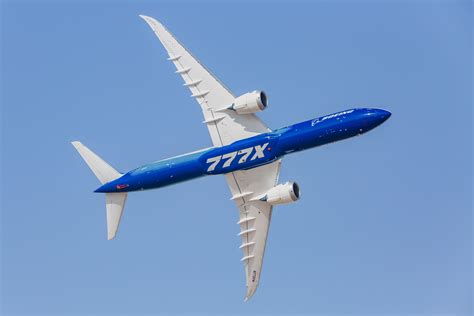
The Boeing 777X represents the future of widebody air travel, an ambitious leap forward in both design and efficiency. Equipped with next-generation GE9X engines, advanced aerodynamics, and folding wingtips that enable airport compatibility while maximizing lift, the aircraft promises unmatched operational performance. Despite a string of production and certification delays pushing first deliveries to 2026, the 777X remains one of the most anticipated aircraft in commercial aviation. With over 500 firm orders and nearly 170 additional options, select global airlines have positioned themselves at the forefront of this transformation. Among them, carriers like Emirates, Qatar Airways, Lufthansa, Cathay Pacific, All Nippon Airways, Etihad Airways, and IAG are expected to leverage the 777X’s potential to redefine their long-haul strategies.
Emirates: The 777X Powerhouse
No airline has bet bigger on the 777X than Emirates, whose revised order includes 35 777-8s and 170 777-9s. Initially expected to be the type’s launch operator, Emirates has since ceded that role due to continuous delays. Nonetheless, its massive commitment underscores the central role this aircraft plays in its long-term strategy.
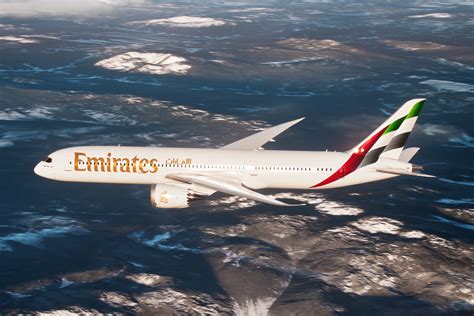
Faced with ongoing uncertainties, Emirates has enacted contingency measures such as an A380 cabin retrofit program, ensuring premium service continuity in case of further delivery setbacks. The airline’s expectation remains clear: once operational, the 777X will become the workhorse of its long-haul network, offering larger capacity, lower fuel burn, and state-of-the-art passenger comfort, critical for maintaining dominance in ultra-long-haul markets.
Qatar Airways: Setting the Bar in Business Class Innovation
Qatar Airways has gradually reshaped its 777X order, now standing at 90 777-9s and 34 777-8Fs, with options for an additional 46 aircraft. More than just a fleet expansion, these jets are being tailored to host Qsuite Next Gen, the airline’s upcoming iteration of its acclaimed business class.
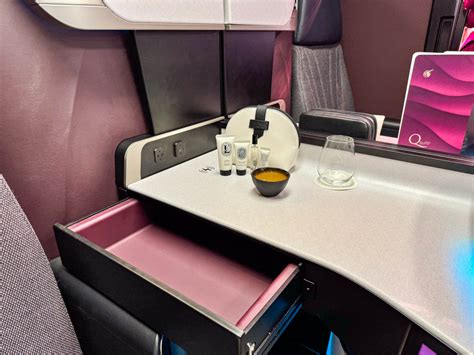
Unveiled at the Farnborough International Air Show 2024, Qsuite Next Gen promises enhanced privacy, expanded in-seat tech, and modular configurations. Qatar Airways CEO Engr. Badr Mohammed Al-Meer emphasized the alignment between 777X capabilities and the airline’s commitment to operate a young, luxurious fleet. With one of the most modern long-haul offerings, Qatar is not just expanding—it is evolving the premium travel experience.
Lufthansa: The 777X Trailblazer
As the launch customer for the Boeing 777X, Lufthansa made early moves to secure 20 777-9s, later amending the order to include seven 777-8 Freighters. The German flag carrier’s role is pivotal: industry stakeholders will be watching closely as Lufthansa integrates the aircraft into commercial service.
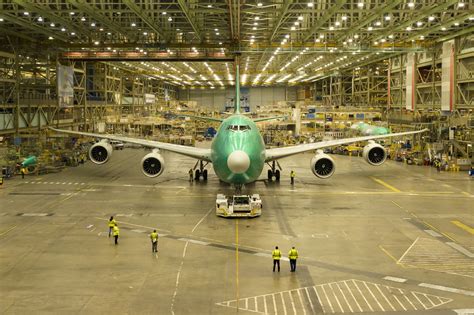
Despite pandemic-induced delays, Lufthansa has reaffirmed its investment by reactivating its A380 fleet temporarily. Its broader strategy includes deploying the 777X on key intercontinental routes from Frankfurt and Munich, where efficiency and prestige matter. With Germany’s green transition goals, the 777X offers a lower-emission, higher-efficiency solution compatible with future carbon regulations.
All Nippon Airways: A Calculated, Complementary Fleet Upgrade
All Nippon Airways (ANA) has strategically ordered 20 777-9s, later converting 2 into 777-8 Freighters. Expected to begin operations by 2026-2027, these aircraft are part of a dual-pronged strategy alongside 737 MAX narrowbody acquisitions.
ANA aims to modernize its long-haul offerings by gradually retiring aging 777-300ERs, integrating the 777X to boost cabin space, reduce noise, and improve fuel consumption. With Japan’s strong post-pandemic rebound in international tourism and outbound travel, the 777X supports ANA’s intent to enhance global connectivity, particularly on transpacific and European routes.
Cathay Pacific: A Luxury-Driven, Focused Investment
Cathay Pacific’s long-standing order of 21 777-9s has remained unchanged since 2013. Despite the absence of expansion or reduction, Cathay’s unwavering commitment signals a focused use case: the 777X will become the exclusive host for the airline’s future first-class offering, the ‘Halo Cabin’.
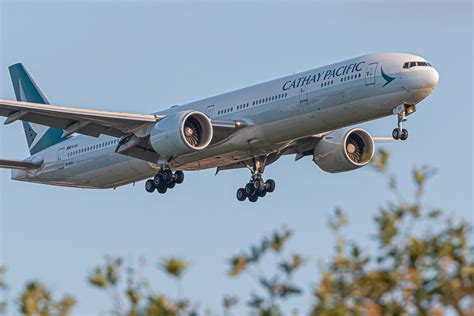
This move involves phasing out first class on the 777-300ERs entirely, highlighting a strategic shift: fewer first-class seats, but more luxurious and exclusive experiences. However, delays have pushed the debut of the Halo Cabin to 2027 or beyond, impacting cabin product timelines but not deterring the airline’s dedication to excellence in luxury travel.
Etihad Airways: Strategic Growth Through Balanced Orders
Etihad Airways initially ordered 25 777Xs (8 777-8s and 17 777-9s), with options for 12 more. In a 2025 update during a Middle East trade summit, Etihad confirmed a $14.5 billion deal for 28 more aircraft split between 787s and 777Xs.
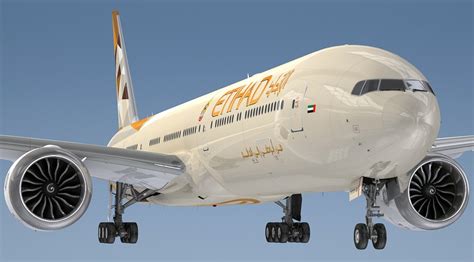
CEO Antonoaldo Neves framed the acquisition as a tactical move to match long-term growth plans. These aircraft will help support network expansion, particularly into Asia-Pacific and North American gateways. The 777X’s superior fuel economy and payload capabilities make it an ideal match for Etihad’s premium-heavy cabins and longer routes, offering both comfort and efficiency in a highly competitive market.
IAG: Late Entry, Big Growth Ambitions
International Airlines Group (IAG), parent to British Airways, Iberia, and Aer Lingus, was a late entrant to the 777X scene, initially ordering 18 777-9s in 2019. In May 2025, IAG added six more to its order and retained options for an additional 24.
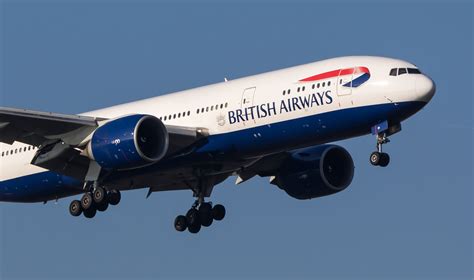
This fleet investment is part of IAG’s broader plan to acquire 71 widebody aircraft across Airbus and Boeing platforms. During its Q1 2025 earnings call, CEO Luis Gallego articulated the group’s vision for 4–5% annual capacity growth, with the 777X expected to play a core role in long-haul operations. The aircraft will replace aging 747s and 777-200ERs at British Airways and help Iberia and Aer Lingus strengthen routes into North and South America.
Why These Airlines Will Excel with the 777X
These seven carriers are not merely investing in a new aircraft; they are orchestrating fleet transformations that align with long-term market dynamics. What makes the 777X particularly suited for their goals includes:
- Advanced fuel efficiency (up to 10% better than previous 777s)
- Higher passenger capacity (414 in typical two-class layout for the 777-9)
- Extended range (over 7,200 nautical miles)
- Wider cabin allowing for spacious seating configurations
- Next-gen GE9X engines, the most fuel-efficient commercial engine ever built
- Foldable wingtips, a technological first allowing the massive jet to fit into existing airport infrastructure
Each airline has tailored its 777X deployment for distinct purposes—whether to replace older fleets, roll out flagship cabins, grow transcontinental networks, or fulfill green aviation pledges.
As certification nears and deliveries begin, these early adopters are positioned to gain the competitive edge from a jet that promises to revolutionize widebody flying for decades to come. Whether through luxury enhancements, fleet modernizations, or capacity boosts, the Boeing 777X will not just serve routes—it will shape the strategic direction of the world’s most forward-looking airlines.