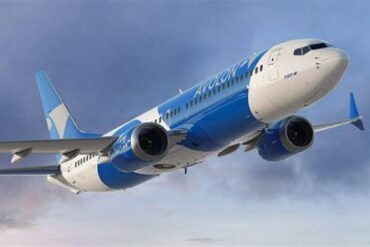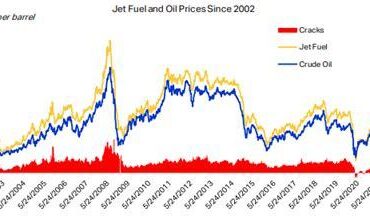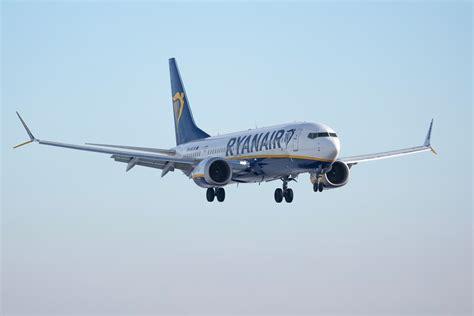
The Boeing 737 MAX has achieved something few aircraft programs in aviation history ever manage: a full-scale recovery from crisis to commercial dominance. In the wake of its global grounding in 2019, skepticism surrounded its future, with analysts questioning whether airlines and passengers would ever fully embrace the aircraft again. Yet, in the years since its return to service, the narrative has shifted dramatically. Today, the 737 MAX is not only back—it is thriving, forming the backbone of fleet strategies for airlines across the globe.
This enduring popularity is not accidental. It is the result of a powerful combination of engineering evolution, economic efficiency, operational familiarity, and market demand. Airlines are not sentimental—they are ruthlessly pragmatic. Their continued investment in the 737 MAX signals one thing clearly: the aircraft delivers exactly what the modern aviation industry needs.
A Strategic Evolution of a Proven Platform
The success of the Boeing 737 MAX begins with its lineage. Rather than reinventing the wheel, Boeing made a calculated decision to evolve its best-selling narrowbody platform—the original 737, which dates back to the late 1960s. This decision allowed the company to build on decades of operational familiarity while introducing meaningful technological advancements.
Launched in 2011 as a direct response to the competitive pressure from the Airbus A320neo, the 737 MAX was designed to deliver better fuel efficiency, improved aerodynamics, and reduced emissions without forcing airlines to overhaul their existing infrastructure. It was, in essence, a modernization strategy rather than a revolution—and that distinction proved crucial.
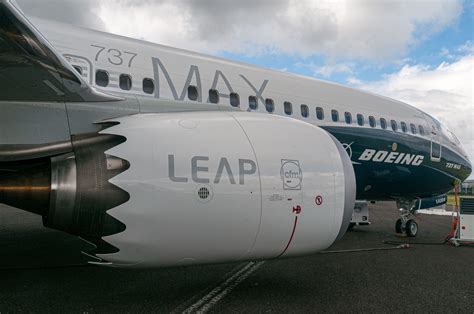
At the heart of the aircraft’s improvements are the CFM LEAP-1B engines, which offer significant gains in fuel efficiency compared to previous generations. These engines, combined with advanced winglets and refined aerodynamics, enable the aircraft to achieve double-digit percentage reductions in fuel burn. In an industry where margins are razor-thin, such improvements are not just beneficial—they are transformative.
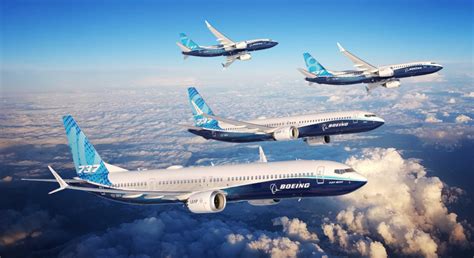
The 737 MAX family itself includes four variants—MAX 7, MAX 8, MAX 9, and MAX 10—each tailored to different operational needs. Among them, the MAX 8 has emerged as the most versatile and widely adopted, striking an ideal balance between range, capacity, and operating cost.
Crisis, Scrutiny, and the Reinvention of Trust
No discussion of the 737 MAX is complete without addressing the two tragic accidents—Lion Air Flight 610 crash and Ethiopian Airlines Flight 302 crash—that led to its global grounding. These events resulted in the loss of 346 lives and triggered one of the most intense safety investigations in aviation history.
The root cause was linked to the Maneuvering Characteristics Augmentation System (MCAS), a flight control system that, under certain conditions, could repeatedly push the aircraft’s nose downward based on faulty sensor data. Compounding the issue was a lack of pilot awareness and insufficient training on the system.
What followed was not merely a fix—it was a system-wide overhaul. Boeing redesigned MCAS to rely on multiple sensors, limited its authority, and made its operation far more transparent. Regulators, including the Federal Aviation Administration and the European Union Aviation Safety Agency, conducted exhaustive reviews before approving the aircraft’s return to service.
This process, while damaging in the short term, ultimately produced one of the most thoroughly vetted aircraft in modern aviation. The level of scrutiny applied during recertification has played a significant role in restoring confidence among airlines, regulators, and passengers alike.
Fleet Commonality: The Silent Power Behind Airline Decisions
One of the most compelling reasons airlines continue to invest in the 737 MAX lies in a concept that rarely makes headlines but drives billions in decisions: fleet commonality.
Airlines that already operate earlier 737 variants, such as the Next Generation (NG) series, can integrate the MAX with minimal disruption. Pilots require less retraining, maintenance crews can leverage existing expertise, and spare parts inventories remain largely compatible. This continuity translates into substantial cost savings and operational efficiency.
For carriers like Southwest Airlines, which operates an all-737 fleet, the benefits are even more pronounced. The ability to upgrade to a more efficient aircraft without introducing a new type simplifies everything from scheduling to logistics.
In an industry where complexity is the enemy of profitability, the 737 MAX offers something invaluable: evolution without disruption.
Fuel Efficiency and the Economics That Drive Demand
Airlines do not buy aircraft—they invest in cost structures. And in this equation, fuel efficiency is king.
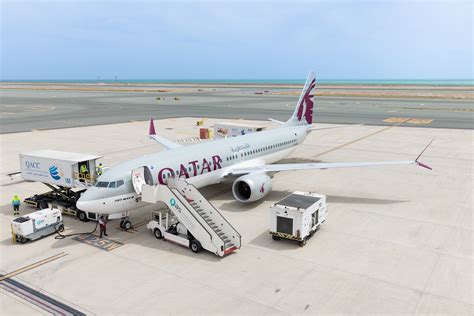
The 737 MAX delivers significant reductions in fuel consumption, thanks primarily to its advanced engines and aerodynamic refinements. These improvements lower operating costs on a per-seat basis, making the aircraft particularly attractive to both low-cost carriers and full-service airlines.
But the economic advantages extend beyond fuel. The aircraft also offers:
- Lower maintenance costs due to improved systems and reliability
- High dispatch reliability, minimizing costly delays and cancellations
- Competitive acquisition economics, especially for airlines upgrading existing fleets
In a market increasingly influenced by environmental concerns, the 737 MAX also helps airlines reduce their carbon footprint. Lower emissions are no longer a bonus—they are a requirement. The aircraft’s ability to meet stricter environmental standards adds another layer of appeal, ensuring its relevance in a rapidly evolving regulatory landscape.
Global Demand for Narrowbody Aircraft Is Exploding
The rise of the 737 MAX cannot be understood in isolation—it is deeply tied to broader industry trends. Specifically, the surging demand for narrowbody aircraft.
Short- and medium-haul routes dominate global air travel. These routes require aircraft that are efficient, flexible, and capable of high-frequency operations. The 737 MAX fits this role perfectly.
As emerging markets expand and air travel becomes more accessible, airlines are doubling down on narrowbody fleets. At the same time, older aircraft are being retired in favor of more efficient models. This creates a powerful replacement cycle that continues to drive demand for aircraft like the 737 MAX.
The result is a structural shift in the industry—one that favors modern, fuel-efficient narrowbody jets capable of serving diverse route networks.
Versatility Across Routes Unlocks New Revenue Opportunities
Another critical advantage of the 737 MAX is its operational versatility. Airlines operate in a constantly changing environment, where demand fluctuates across routes and seasons. An aircraft that can adapt to these variations is a strategic asset.
The different variants of the 737 MAX allow airlines to fine-tune capacity:
- The MAX 8 offers a balanced mix of range and seating capacity
- The MAX 9 and MAX 10 provide higher capacity for busy routes
- The MAX 7 is optimized for shorter runways and niche markets
This flexibility enables airlines to deploy the right aircraft for the right mission—without introducing additional fleet complexity. Even more importantly, the aircraft’s extended range allows carriers to explore new point-to-point routes, bypassing traditional hub-and-spoke systems.
This capability opens the door to previously unviable routes, creating new revenue streams and enhancing network efficiency.
Production Momentum and Airline Confidence
Despite early setbacks, Boeing has worked steadily to stabilize production and ramp up output of the 737 MAX. Airlines continue to place large orders, signaling long-term confidence in the aircraft’s performance and reliability.
Major carriers such as American Airlines and United Airlines have integrated the 737 MAX into their core operations, using it to modernize fleets and improve efficiency. This widespread adoption reinforces a powerful feedback loop: the more airlines use the aircraft successfully, the more confidence the market gains.
It is a classic case of momentum—once lost, now fully regained.
Why the Boeing 737 MAX Refuses to Fade Away
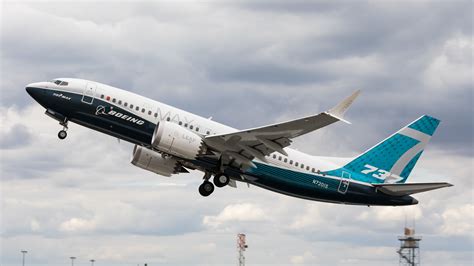
The continued popularity of the Boeing 737 MAX is not a mystery—it is the logical outcome of a carefully aligned set of factors. The aircraft combines proven design, modern efficiency, operational continuity, and market relevance in a way few competitors can match.
It has survived crisis, endured scrutiny, and emerged stronger—not by chance, but by delivering tangible value where it matters most. Airlines are not betting on sentiment; they are betting on performance, economics, and reliability.
And by those measures, the 737 MAX remains exactly what the industry demands: a workhorse built for the realities of modern aviation.