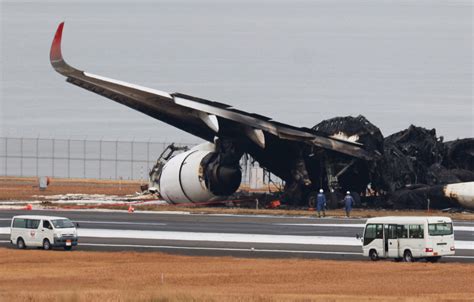
Ground loops in aviation represent a significant hazard that requires acute awareness, expert handling, and rapid response to prevent catastrophic outcomes. At their core, ground loops are violent, unintentional rotations of an aircraft while on the ground, causing it to pivot uncontrollably in the yaw axis. These incidents often occur during taxiing, takeoff, or landing, predominantly affecting aircraft with conventional landing gear where the center of gravity lies behind the main wheels.
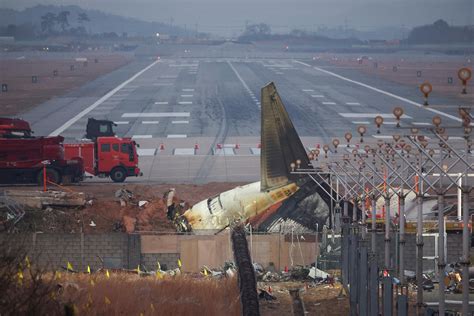
Understanding the Mechanics Behind Ground Loops
The physics of a ground loop are deeply rooted in the basic principles of motion and force distribution. When an aircraft’s direction of motion diverges from its heading, sideways forces act on the landing gear. If these forces exert pressure ahead of the center of gravity, a self-reinforcing rotational moment ensues. This moment increases the angle of divergence, escalating the risk of a complete ground loop. The only preventive measure at this critical stage is immediate corrective input from the pilot to re-align the heading and motion direction.
Aircraft with tricycle landing gear are not immune. In cases of excessive load on the nosewheel, a phenomenon known as wheel-barrowing can mimic ground loop dynamics, leading to loss of directional control. Timely intervention remains paramount across all landing gear configurations.
Historical Context: Early Encounters and Lessons Learned
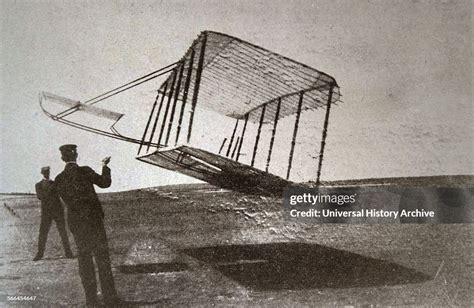
The Wright Brothers themselves observed early forms of ground loops during their glider experiments. They described the sudden rotation and violent contact with the ground as “well-digging,” a nod to the way a wing could abruptly dig into the earth, upsetting the delicate balance of flight. Their observations highlighted how nascent the understanding of ground handling was at the dawn of aviation.
Primary Causes and Contributing Factors of Ground Loops
Ground loops are often triggered by a convergence of environmental, mechanical, and human factors. Surface conditions play a pivotal role. Wet, muddy, icy, or otherwise compromised runways drastically reduce the friction necessary for directional stability. In particular, puddles and soft soil introduce uneven drag forces, amplifying asymmetric loads and promoting rotation.
Mechanical failure is another substantial contributor. Brake failure, tire bursts, or gear malfunctions can instantly rob the pilot of the necessary control authority to counteract a developing yaw. In twin-engine aircraft, engine failure on one side can create asymmetric thrust, tilting the directional balance toward an uncontrollable spin.
Pilots must remain vigilant during high-risk phases, particularly during crosswind landings and takeoffs, where lateral forces challenge even experienced aviators.
The Ground Loop Risk in Glider Aviation
In the realm of glider aviation, the dynamics of ground loops acquire unique characteristics. The Schleicher ASK 23, a training glider equipped with a nose-wheel and a main wheel situated behind the center of gravity, exemplifies design strategies aimed at mitigating ground loop risks. By reducing the initial angle of attack during the takeoff roll, designers minimize the aerodynamic imbalance that can lead to ground loops.
When gliders launch behind tow planes, the propeller wash significantly influences ground behavior. The slipstream’s force is uneven across the wings, especially in crosswind conditions, increasing the risk of the upwind wing rising and the downwind wingtip striking the ground. Quick release of the tow rope is often the only immediate remedy to avoid severe ground-loop-induced damage.
Preventative Measures: How Pilots Mitigate Ground Loops
Effective ground loop prevention hinges on anticipatory control inputs, proper training, and meticulous maintenance. Key strategies include:
- Immediate correction: The moment a yaw deviation is detected, pilots must apply corrective rudder and differential braking to realign the aircraft.
- Surface assessment: Pre-takeoff and pre-landing inspections of runway conditions alert pilots to areas of risk.
- Brake system checks: Regular and thorough maintenance routines ensure brake reliability when directional control is most needed.
- Tailwheel proficiency: For pilots operating tailwheel aircraft, specialized training programs emphasize handling in adverse conditions and rapid recovery techniques.
Maintaining directional control during taxi, takeoff, and landing is a non-negotiable priority in the pilot’s checklist.
When Ground Loops Are Deliberate: Controlled Sacrifices for Safety
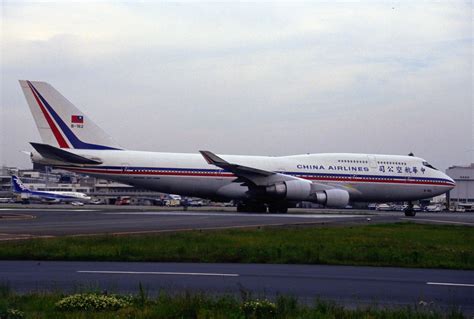
Surprisingly, there are scenarios where pilots may intentionally initiate a ground loop as an emergency measure. In situations where a collision with an immovable object is imminent, executing a controlled ground loop can dissipate kinetic energy laterally, often sparing the fuselage and safeguarding occupants. A notable case involved China Airlines Flight 605, where a deliberate ground loop minimized the severity of a runway overrun.
Real-World Incidents and Lessons Drawn
The 1947 crash of Pan Am Flight 121 vividly underscores the ground loop’s destructive potential. Survivors recounted that an otherwise successful emergency landing turned catastrophic when an engine dug into soft terrain, precipitating an uncontrollable ground loop. The violent rotation split the aircraft, leading to multiple fatalities despite the crew’s best efforts.
Each major ground loop incident drives home the necessity for continuous emphasis on surface awareness, emergency handling techniques, and mechanical reliability.
Conclusion: Vigilance is the Best Defense Against Ground Loops
The phenomenon of ground loops remains a potent reminder that aviation safety extends beyond flight. The transition phases between sky and ground are fraught with their own unique perils. By cultivating acute situational awareness, mastering responsive control techniques, and rigorously maintaining aircraft systems, pilots can vastly diminish the risks associated with ground loops.
In every movement along the tarmac, runway, or airstrip, pilots carry the immense responsibility of ensuring that the wheels stay aligned, the wings stay balanced, and the horizon remains a friendly companion rather than an adversary.