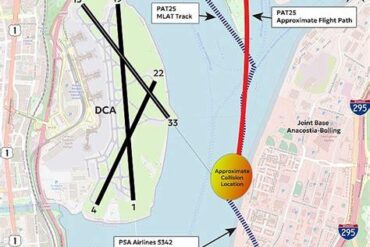
In aviation, a mid-air collision refers to an accident where two or more aircraft come into unplanned contact while in flight. This unfortunate event, while rare due to the vast expanses of open airspace, tends to occur more frequently in congested areas such as airports or near busy airways. The possibility of a mid-air collision is influenced by several critical factors, ranging from miscommunication between pilots to failures in collision avoidance systems. In this article, we explore the causes, historical significance, modern technologies, and preventive measures in place to mitigate these risks.
The Historical Context of Mid-Air Collisions
Mid-air collisions have been a concern ever since the early days of aviation. The first recorded mid-air collision occurred in 1910 during the Milano Circuito Aereo Internazionale in Italy, where French pilot René Thomas collided with British Army officer Bertram Dickson. Both pilots survived, but Dickson’s injuries prevented him from flying again. As aviation technology advanced, so did the risk of such incidents. In 1912, the first fatal mid-air collision occurred in La Brayelle Airfield, Douai, France, when French pilots Captain Marcel Dubois and Lieutenant Albert Peignan crashed into one another in the early morning haze. These incidents marked the beginning of the long-standing struggle to prevent mid-air collisions.
The Rise of Air Traffic and Increased Collision Risks
As aviation grew more widespread, so did the risk of mid-air collisions. Aircraft began flying in increasingly congested areas, especially near airports and within the controlled airspace of major cities. The development of commercial aviation in the mid-20th century further exacerbated this risk, leading to several high-profile accidents. In the United States, the infamous 1958 mid-air collision between United Air Lines Flight 736 and a military fighter jet contributed to the establishment of the Federal Aviation Agency (FAA), which later became the Federal Aviation Administration. The creation of the FAA led to more stringent air traffic control and improved safety regulations.
Key Factors Contributing to Mid-Air Collisions
Mid-air collisions are caused by a combination of human error, technological limitations, and environmental factors. Some of the most prominent factors include:
- Miscommunication: Pilots and air traffic controllers must maintain constant and clear communication. Failure to relay proper information can lead to a loss of situational awareness, which in turn increases the risk of a collision.
- Pilot Error: Pilots are sometimes under pressure to meet deadlines, leading to mistakes in navigation or failure to follow flight plans correctly.
- Lack of Situational Awareness: A lack of understanding about the relative position of other aircraft, especially in high-traffic zones, is a significant contributor to mid-air collisions.
- Technological Limitations: Not all aircraft are equipped with collision avoidance systems, and even when they are, technological limitations can sometimes fail to prevent accidents.
- Environmental Hazards: Weather conditions, such as fog, thunderstorms, and poor visibility, can increase the likelihood of mid-air collisions by impairing pilots’ ability to see other aircraft.
The Role of Collision Avoidance Systems
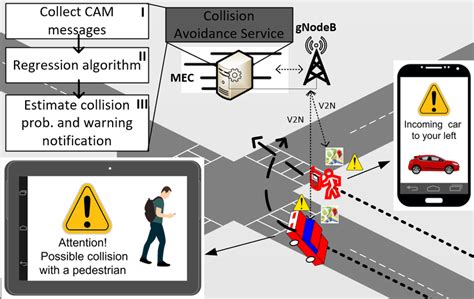
Modern aviation relies heavily on advanced technology to prevent accidents, particularly mid-air collisions. One of the most widely used systems is the Traffic Collision Avoidance System (TCAS), which uses radar signals to track nearby aircraft. If TCAS detects a potential collision, it alerts the pilot with visual and audible warnings. TCAS II, a more advanced version, even provides the pilot with guidance on how to avoid a collision by suggesting vertical maneuvers.
TCAS: Enhancing Flight Safety
The introduction of TCAS has significantly reduced the risk of mid-air collisions, especially in busy airspace. This system is installed in almost all modern commercial and military aircraft and plays a crucial role in ensuring safe separation between aircraft. Despite its effectiveness, TCAS is not foolproof and relies heavily on the cooperation of pilots to act on its warnings promptly.
Other Technologies and Measures
In addition to TCAS, other collision avoidance technologies have been developed to further enhance flight safety. These include:
- Automatic Dependent Surveillance-Broadcast (ADS-B): This system provides real-time tracking of aircraft by transmitting an aircraft’s position to nearby aircraft and air traffic control centers.
- Reduced Vertical Separation Minimum (RVSM): This measure reduces the vertical separation between aircraft flying at cruising altitude, optimizing airspace usage while maintaining safety.
- Portable Collision Avoidance Systems (PCAS): These are used primarily in smaller aircraft and provide pilots with alerts about nearby aircraft, improving safety in non-radar environments.
High-Profile Mid-Air Collisions and Their Impact
Several mid-air collisions throughout history have had significant impacts on aviation regulations and safety measures. One of the most notable incidents was the Überlingen mid-air collision in 2002, which involved a Russian cargo plane and a German passenger aircraft. The crash resulted in the deaths of 71 people and highlighted the critical need for improved communication protocols and air traffic management. Investigations revealed several failures in air traffic control, including miscommunication between pilots and controllers, which led to the collision.
In response to such tragedies, aviation authorities around the world have implemented stricter air traffic control regulations and enhanced pilot training programs to improve the safety of flight operations.
Mid-Air Collisions in Military Aviation
Military aviation has also experienced its share of mid-air collisions, particularly during training exercises and combat missions. Due to the often unpredictable nature of military flights, the risk of accidents increases. In the U.S., the See and Avoid initiative was launched in 2005 to reduce military-civilian mid-air collisions, which were sometimes caused by military aircraft flying too close to civilian planes. The initiative was part of a broader effort to enhance flight safety in both military and civilian airspace.
Prevention Strategies and Future Outlook
Despite advancements in technology and safety measures, mid-air collisions continue to be a concern for the aviation industry. Moving forward, several strategies are being explored to further reduce the risk of these accidents, including:
- Improved Air Traffic Control Systems: Upgrading existing air traffic control infrastructure and adopting new technologies will help enhance situational awareness and prevent close encounters between aircraft.
- Increased Automation: The development of more advanced automation systems in both cockpits and air traffic control centers will further reduce the reliance on human decision-making, which is prone to error.
- Global Collaboration: International cooperation among aviation agencies will be crucial in standardizing safety protocols and improving the overall global aviation network.
As aviation technology continues to evolve, the hope is that mid-air collisions will become increasingly rare, with innovative systems and better coordination leading to safer skies for all.
Conclusion
Mid-air collisions, though rare, pose one of the most severe threats to flight safety. Understanding the causes, examining historical incidents, and embracing modern collision avoidance technologies have played significant roles in improving aviation safety. As the aviation industry continues to innovate and prioritize safety, the goal of reducing mid-air collisions remains a key objective for the global aviation community.