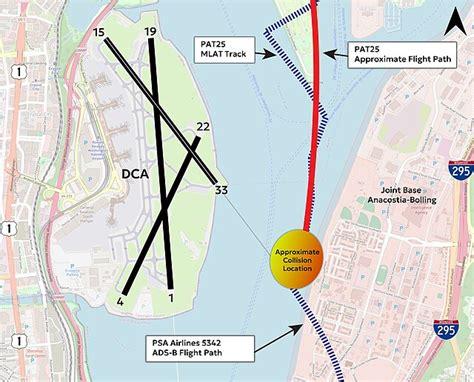
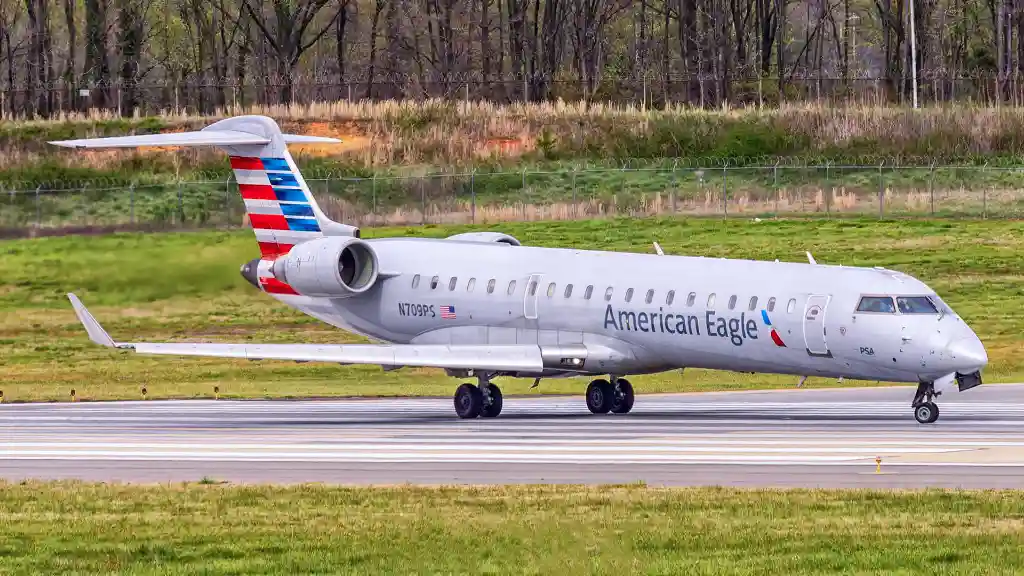
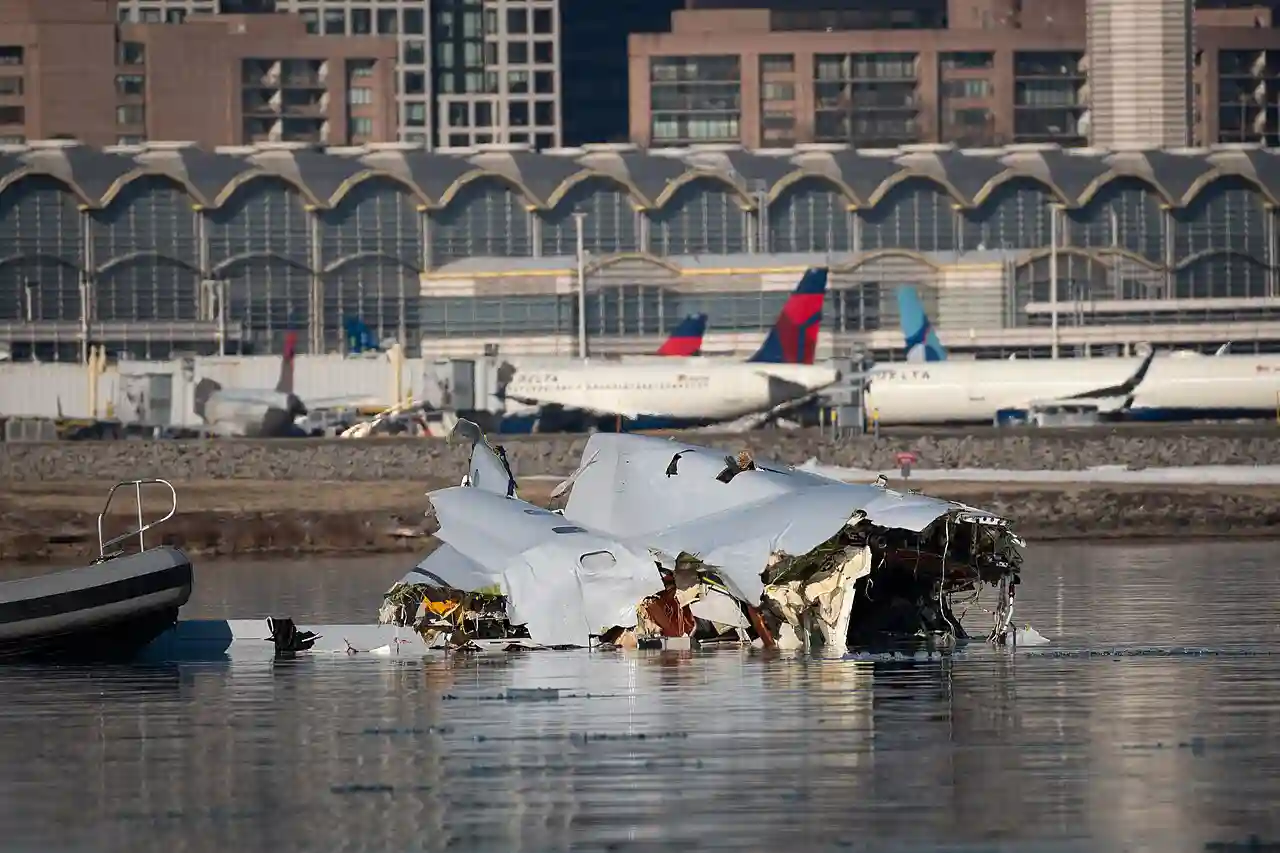
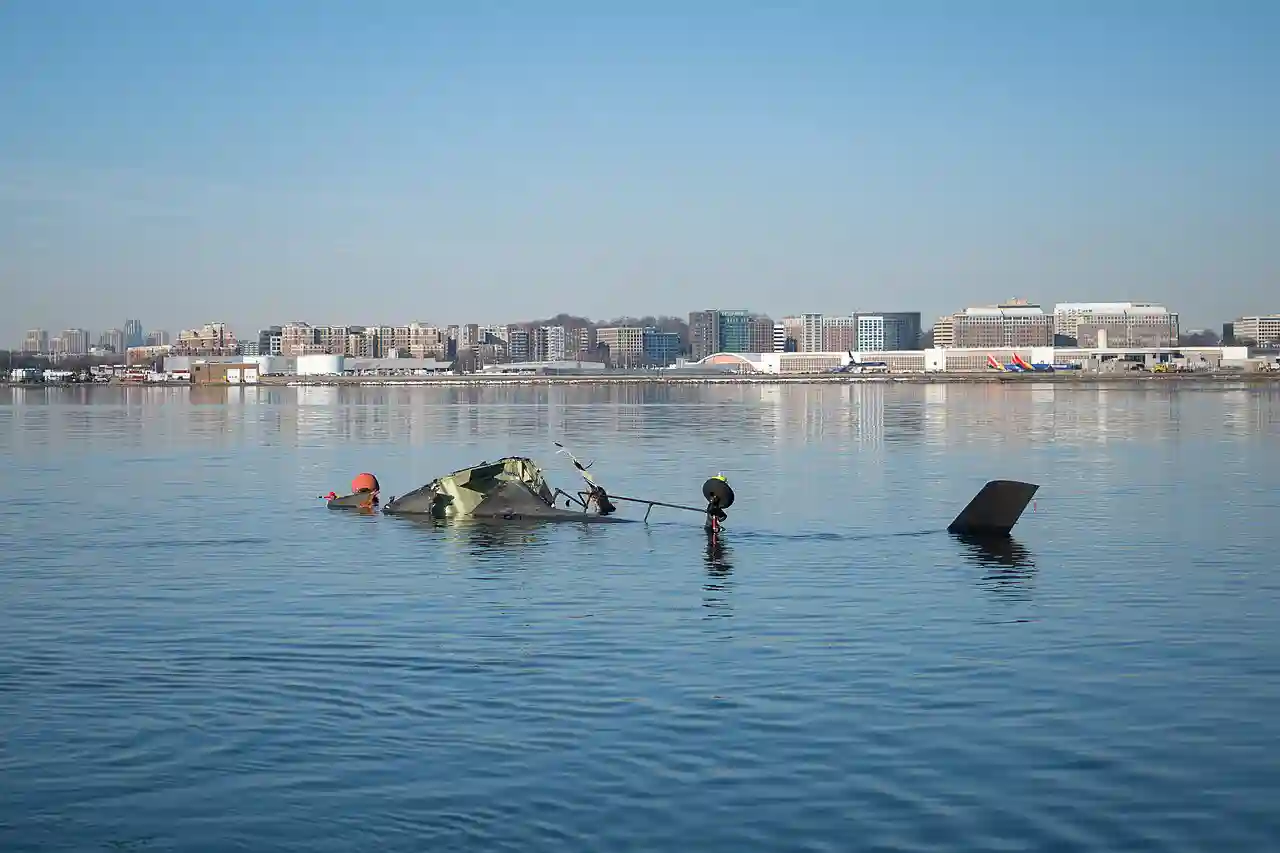
On the evening of January 29, 2025, tragedy struck the nation’s capital when American Airlines Flight 5342, a PSA‑operated Bombardier CRJ701ER (registration N709PS), collided with a United States Army Sikorsky UH‑60L Black Hawk (registration 00‑26860) over the Potomac River. At 8:47 p.m., as Flight 5342 descended toward runway 33 at Ronald Reagan Washington National Airport, the two aircraft converged at roughly 300 feet, only one-half mile from the runway threshold. Every one of the 67 souls aboard—64 passengers and crew on the airliner and three on the helicopter—perished in the catastrophic impact. This disaster marked the deadliest U.S. air accident since American Airlines Flight 587 in 2001 and ended a nearly 16‑year streak without a major commercial passenger crash on U.S. soil.
Background of Flight 5342 and the PAT 25 Mission
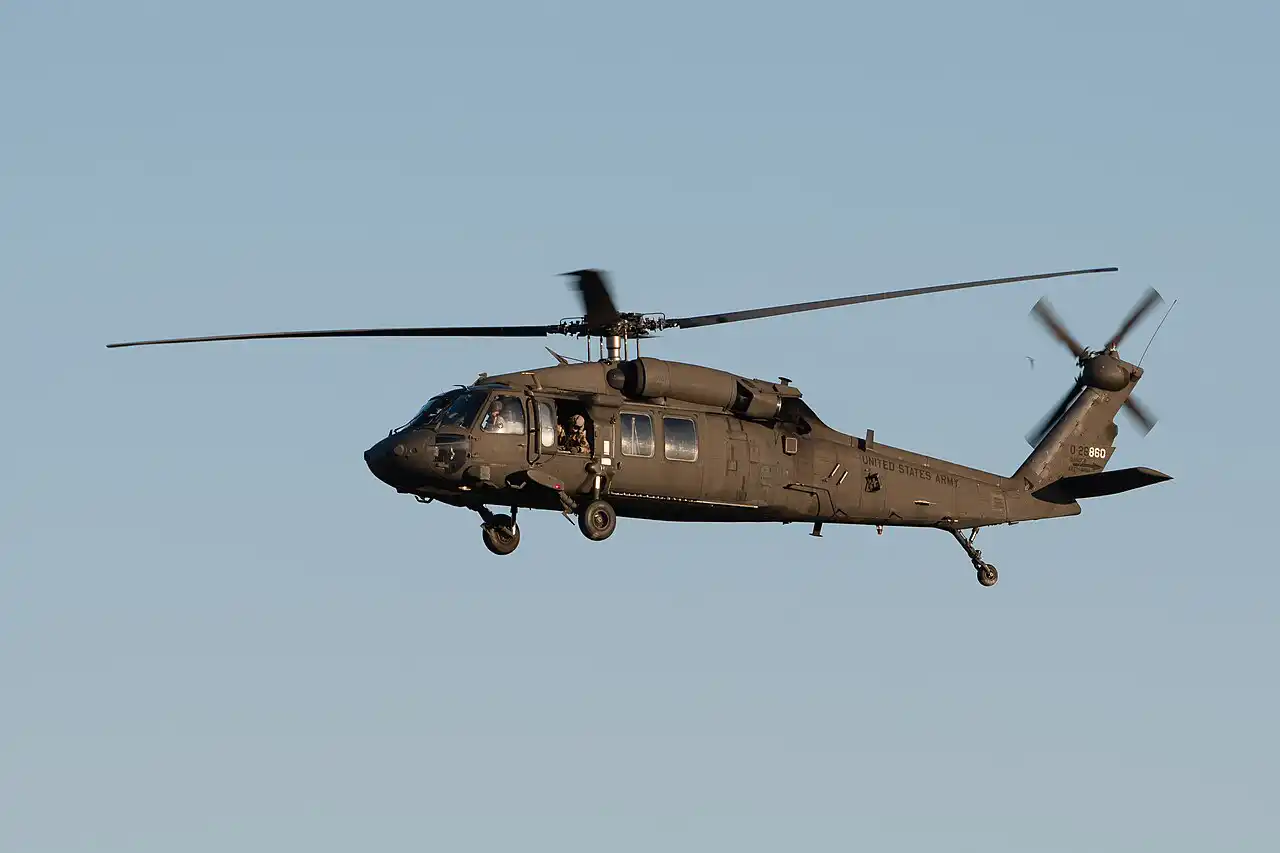
The scheduled CRJ701ER flight had originated at Wichita Dwight D. Eisenhower National Airport, inaugurating a direct service route to Washington, D.C., established just one year prior to meet growing demand from Kansas travelers. Manufactured in 2004, the 70‑seat regional jet carried 60 passengers and four crew, including Captain Jonathan Campos and First Officer Samuel Lilley, both highly experienced on CRJ-series aircraft. Simultaneously, the Army’s Black Hawk took off from Davison Army Airfield at Fort Belvoir under Priority Air Transport 25 (PAT 25), conducting a mandatory annual night‑vision goggles evaluation as part of the Continuity of Government Plan. The helicopter crew—Capt. Rebecca Lobach, CWO2 Andrew Eaves, and SSgt. Ryan O’Hara—were not transporting senior officials but were nonetheless operating under strict procedural guidelines for low‑altitude, night‑vision training.
Complex Airspace at Reagan National Airport
Reagan National’s airspace ranks among the globe’s most restrictive, with no‑fly zones protecting D.C.’s core landmarks and specified corridors for military rotary‑wing traffic. Helicopter Route 4 runs along the east bank of the Potomac, hovering as little as 15 feet vertically beneath the visual glidepath for runway 33. On the night of the collision, air traffic staffing was reduced: local and helicopter control positions were merged on a single frequency, meaning Flight 5342 and PAT 25 shared only the controller’s transmissions, not each other’s uplinks, complicating situational awareness. Congressional approval of increased flight slots in 2024 had already intensified traffic, placing heavier demands on a team operating below ideal staffing levels.
Sequence of Events Leading to the Collision
From initial contact at 8:43 p.m., ATC diverted Flight 5342 from runway 1 to runway 33, a maneuver the CRJ crew accepted seamlessly. Meanwhile, the Black Hawk received clearance to maintain visual separation, a process relying entirely on crewmembers’ ability to identify and track the jet. At 278 feet, a background TCAS “traffic” advisory sounded in the CRJ cockpit—with no resolution command available below 400 feet—while the controller twice instructed the helicopter to “pass behind” the jet. A brief mic keying by the helicopter crew likely garbled the critical “pass behind” phrase, leaving them uncertain of which aircraft to avoid. Seconds before impact, both aircraft crews confirmed visual contact, unaware they targeted one another rather than the correct traffic. At 8:47:59 p.m., they collided, shearing rotor blades and wing sections and sending both into spirals toward the icy river below.
Emergency Response and Recovery Efforts
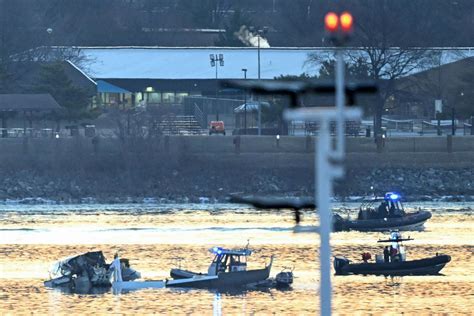
Within minutes, DC Fire and EMS, Coast Guard units, Metropolitan Police, MWAA fire‑rescue teams, Maryland State Police, and Hornblower tour boats converged on the crash site. Fireboats and dive teams battled 35 °F waters, strong currents, and limited visibility to locate wreckage and victims. Despite tireless efforts, all survivors were unaccounted for by 2:50 a.m., and by February 4, every body had been recovered and identified. A crane repurposed from the Francis Scott Key Bridge collapse aided debris removal along a three‑mile search corridor, while the Navy supplied barges for heavier components. Reagan National Airport remained closed for over fourteen hours, diverting inbound flights to Dulles, Baltimore/Washington, and Richmond and prompting Metro’s Silver Line to extend service.
Human Toll and Community Impact
The victims included 28 members of the U.S. Figure Skating community—skaters aged 11–16, parents, and coaches returning from a development camp tied to the 2025 Championships in Wichita. Among them were 1994 World Champions Evgenia Shishkova and Vadim Naumov, whose young son would later skate in a March 2 tribute show. Additional passengers comprised labor union members, educators, international nationals, and families traveling for holiday reunions. The Legacy on Ice benefit at Capital One Arena united skaters and parents in mourning, recalling the 1961 Sabena Flight 548 tragedy. Wichita’s burgeoning international profile suffered a devastating setback as local leaders confronted the loss of residents who had championed direct East Coast service.
Regulatory Aftermath and Route Restrictions
Barely 48 hours after the crash, the FAA imposed immediate restrictions on Helicopter Routes 1 and 4, preserving only police, medical, air‑defense, and presidential operations. American Airlines retired flight number 5342, reassigning the Wichita–National service as Flight 5677. Two Metropolitan Washington Airports Authority staff faced arrest for unauthorized leaks of surveillance footage. Congressional hearings spotlighted merged ATC positions and questioned the adequacy of the PAPI glidepath buffer versus low‑flying military corridors. Industry stakeholders debated whether clearer lateral boundaries or mandatory transponder usage for helicopters could avert future collisions.
Investigations, Findings, and Safety Recommendations
The NTSB, FAA, DoD, U.S. Army, FBI, and Canada’s TSB launched parallel probes. By March 11, the NTSB preliminary report cited an “intolerable risk” posed by Route 4’s proximity to runway 33’s glidepath, noting monthly TCAS alerts involving helicopters since 2011. Investigators discovered the Black Hawk’s ADS‑B broadcast was off, complicating tracking data, and that barometric altimeter discrepancies prevented precise altitude verification. Seventeen seconds before impact, a tower conflict alert sounded, yet no resolution advisory reached the crew below 400 feet. The NTSB’s urgent recommendations demanded immediate closure of Route 4 during runway 33 operations and establishment of alternate helicopter corridors with defined lateral limits. Chair Jennifer Homendy lambasted the FAA for ignoring near‑miss analytics that had flagged the hazard years earlier.
Industry and Political Reactions
American Airlines CEO Robert Isom expressed heartfelt sorrow and pledged full cooperation, while aviation safety luminary Chesley “Sully” Sullenberger called for expanded terminal airspace exclusion zones. Former President Donald Trump, briefed within the hour, leveled criticism at ATC staffing and Biden‑era DEI hiring policies at the FAA—a stance met with bipartisan condemnation from Senators Chuck Schumer and Tammy Duckworth, who labeled such claims baseless and insensitive. Trump administration officials, including Transportation Secretary Sean Duffy and Defense Secretary Pete Hegseth, echoed demands for “the best and brightest” in safety roles. International bodies—the IOC, ISU, and various governments—issued condolences, and a moment of silence honored the fallen at the European Figure Skating Championships.
Legacy and Lessons Learned
The Potomac River collision underscores the razor‑thin margins inherent in modern terminal airspace. As Congress considers funding for ATC staffing and infrastructure, regulators must weigh the benefits of additional flight slots against the imperative of vertical and lateral separation. The NTSB’s call to redefine helicopter corridors and broaden transponder requirements could serve as a blueprint for global airports facing similar constraints. In memory of the 67 lives lost, the aviation community is tasked with translating lessons learned into lasting safety enhancements, ensuring that such a tragedy never repeats itself.
In the wake of this disaster, the resilience of families, first responders, and industry stakeholders has been remarkable. Yet the ultimate tribute to those killed lies in systemic change—fortifying the invisible safety nets that guard our skies and rivers alike.