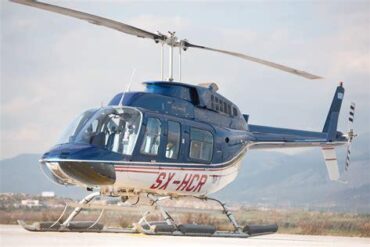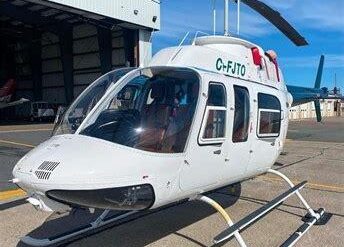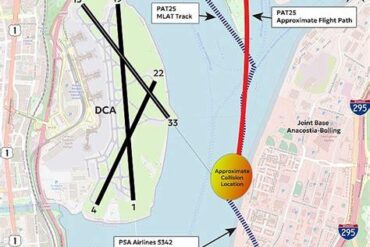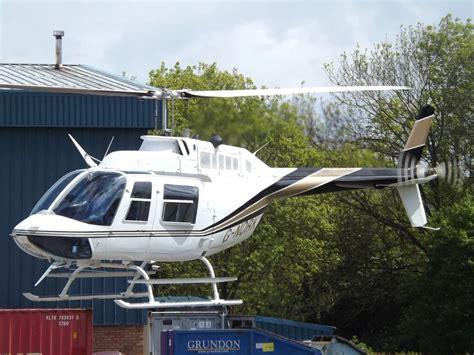
On a quiet day above the Hudson River, a Bell 206 helicopter plummeted in a sudden, violent sequence that stunned aviation communities and casual viewers alike. The now-infamous video, which quickly circulated across Reddit and social media platforms, captured what would become one of the most intensely scrutinized helicopter failures in recent memory. What at first seemed like another tragic aviation accident soon became a focal point for deep technical analysis, speculation, and a growing conversation around rotary-wing aircraft safety and mechanical vulnerability.
The Viral Video and Immediate Online Reactions
When the footage of the Bell 206 crash first surfaced, it wasn’t the technical specifics that caught attention—it was the shock value of the thumbnail, coupled with the dramatic angle of the helicopter’s tail boom separating mid-air. Reddit users initially joked about the post, but this quickly evolved into a serious dissection of what went wrong. Among the most hotly debated topics was the point of tail boom separation—a detail that would ultimately steer much of the expert analysis in the days to follow.
Debunking the Rotor Strike Theory
Many initial commentators proposed that the tail boom had suffered a rotor boom strike or a classic mast bumping incident, both of which can be catastrophic in helicopters like the Bell 206. However, seasoned pilots and safety investigators were quick to cast doubt on these theories. Typically, mast bumping—when the rotor hub contacts the mast during low-G maneuvers—leads to boom separation near the rotor head, not just aft of the cabin as seen in this incident.
Additionally, the rotor system and mast appeared intact before the main separation occurred. This observation further weakened the mast bumping argument. A rotor strike would also exhibit different dynamics in yaw and breakup sequence, which were not evident in the video or recovery photos.
A Catastrophic Gearbox Failure? The Strongest Theory
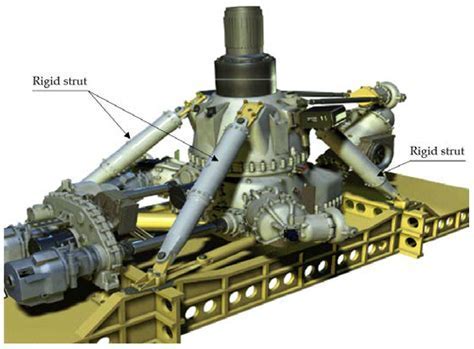
The most plausible explanation—supported by crash investigators and helicopter mechanics—points to a catastrophic main gearbox or tail rotor shaft failure. According to the video footage and post-crash forensic reconstruction, the likely sequence began with a failure in the tail rotor drive system. This triggered an uncontrolled yaw motion, typically to the right in helicopters like the Bell 206.
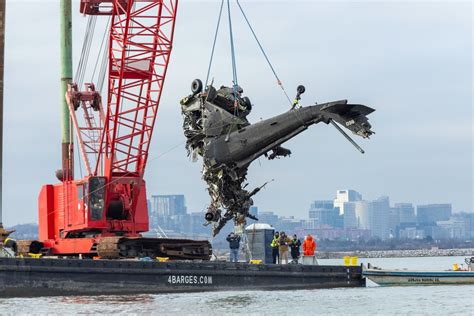
As the tail rotor lost torque authority, the aircraft would have begun spinning due to unopposed main rotor torque. This violent yaw may have introduced severe stress on the tail boom structure, ultimately causing it to shear away. Following this, the main gearbox appears to have seized or detached, resulting in the complete disintegration of the rotor system from the aircraft.
Expert Input: ATSB and NTSB Parallel Cases
Several commenters referenced historical incidents documented by the Australian Transport Safety Bureau (ATSB) and the U.S. National Transportation Safety Board (NTSB), where similar sequences occurred. In one such case, a Bell 206 experienced a sudden main rotor decoupling after a gearbox seizure, leading to total control loss within seconds.
These parallels give credence to the theory that the Hudson River crash was not a freak accident, but potentially the result of a known mechanical vulnerability. One expert noted that in Bell 206 gearboxes, input quill failures can cascade rapidly, severing power transmission to both the tail and main rotors.
Alternative Theories: Pedal Over-Deflection and Passenger Error
Among more speculative but technically possible theories discussed was the idea of pedal over-deflection—possibly by an unaware or panicked passenger. Some helicopters, including earlier Bell 206 models, do not have pedal guards in the left front seat. A child or non-flying occupant could feasibly interfere with pedal movement, especially in sudden maneuvering or during turbulence.
If the tail rotor control input spiked too quickly, it could stress the tail rotor gearbox or the driveshaft coupling, especially if maintenance tolerances were out of spec. However, most experts quickly pointed out that such interference is unlikely to produce the violent structural failure seen in the video unless compounded by existing mechanical fatigue or maintenance oversight.
Ruling Out the Jesus Nut and Engine Failure
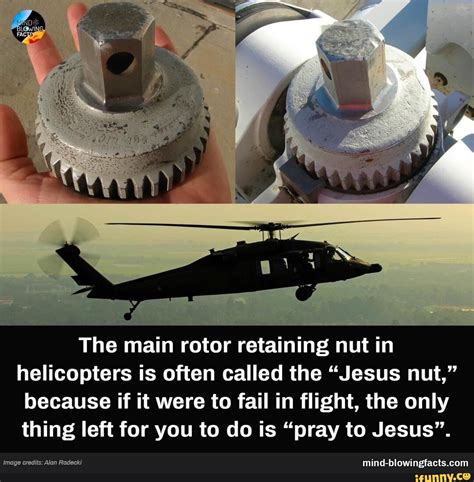
Many armchair analysts speculated about a possible Jesus nut separation—a catastrophic failure in the central retaining nut that holds the rotor system onto the mast. However, this was roundly dismissed by aviation safety professionals. The rotor remained engaged and spinning throughout much of the incident sequence, clearly contradicting the Jesus nut scenario.
Similarly, engine failure was quickly ruled out. In the event of a powerplant shutdown, Bell 206 helicopters are designed for autorotation and would not result in sudden tail separation or gearbox destruction. The power failure theory could not account for the violent yaw and tail boom departure.
Mechanical Forensics and Rotor RPM Analysis
One of the critical areas of analysis centered around rotor RPM behavior in the moments before the crash. Observers noted the absence of overspeed signatures or pitch-induced oscillation, suggesting the rotors were within operating ranges until the moment of structural failure. The inertia of the rotor system, especially in a freewheeling state, supports the idea that the failure was mechanical and internal to the gearbox, not aerodynamic or control-related.
Detailed investigation of recovered parts—if made publicly available—would likely show scoring on gear teeth, misaligned shaft ends, or bearing burn marks, all indicators of catastrophic internal failure. Bell 206 maintenance protocols specifically warn of such progressive damage, which can go undetected without rigorous inspection cycles.
The Human Element: Training, Panic, and Decision-Making
Much has been speculated about the human performance aspect of this crash. Pilots familiar with the Bell 206 platform have argued that even in the face of a tail rotor failure, a well-trained pilot might execute a controlled autorotation to the ground, especially in an open area like the Hudson River.
However, sudden yaw combined with possible gearbox separation would make control nearly impossible. The margin for reaction in such a scenario is measured in seconds. If passengers or crew were unprepared—or if the pilot attempted corrective action after the tail had already detached—their ability to stabilize the aircraft would be fatally compromised.
Public Scrutiny and the Role of Viral Evidence
The viral nature of the crash video opened up the incident to an unprecedented level of public scrutiny. While this has introduced a wave of misinformation, it has also demonstrated the value of crowd-sourced technical analysis. Discussions across aviation forums, pilot communities, and even Reddit threads contributed significantly to identifying the most likely cause well before any official preliminary report.
That said, only a comprehensive teardown investigation, conducted under FAA or NTSB authority, can confirm the exact sequence of mechanical failure. The presence of multiple high-resolution video sources, including smartphone footage and onboard flight data (if available), will likely play a major role in reconstructing the final seconds.
Bell 206: A Legacy Under Review
The Bell 206 has long been hailed as a workhorse of civilian aviation, from news helicopters and tourist rides to law enforcement and medevac roles. Its reputation for reliability has made it a staple in global rotorcraft fleets. But this incident—and those like it—highlight ongoing concerns around aging airframes, maintenance oversight, and component fatigue.
In many cases, the Bell 206s flying today are over 30 years old, with complex service histories and multiple overhauls. While the design remains sound, the execution of long-term maintenance and part replacement is where risk accumulates. Even a minor lapse in gearbox inspection intervals or use of substandard replacement parts can cascade into a disaster, as appears to have happened here.
Conclusion: A Wake-Up Call for Helicopter Safety
The Hudson River Bell 206 helicopter crash stands as a stark reminder of the razor-thin line between normal operations and mechanical catastrophe in rotorcraft aviation. While preliminary video evidence and expert commentary strongly suggest a main gearbox or tail rotor shaft failure, the final verdict must await an exhaustive official report.
This tragedy calls for a renewed emphasis on gearbox inspection standards, tail rotor shaft monitoring, and pilot situational training for rapid yaw emergencies. As aging fleets remain in active duty, the importance of proactive maintenance and real-time diagnostic tools cannot be overstated.
Whether this incident leads to revised inspection protocols or improved design standards, one truth remains: mechanical vulnerability, once underestimated, can turn an ordinary flight into a historic tragedy.