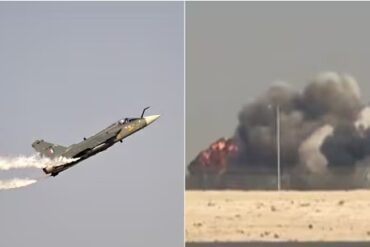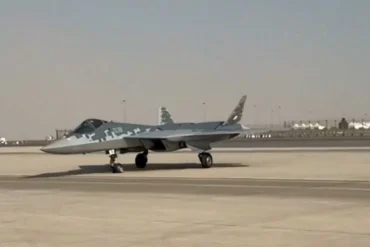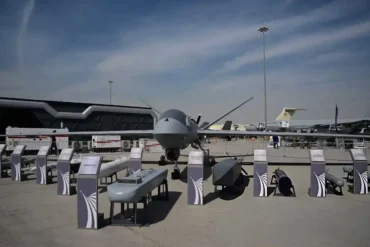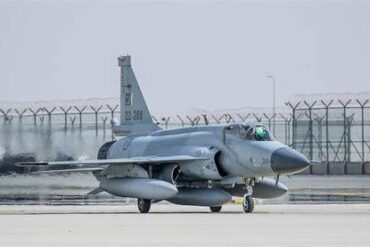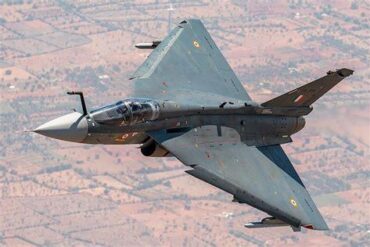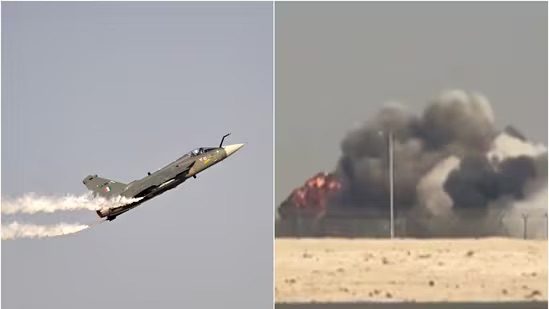
The tragic crash of the Indian Air Force Tejas Light Combat Aircraft (LCA) during its demonstration at the Dubai Airshow 2025 has raised significant questions about the aircraft’s operational integrity, design limitations, and long-term viability as an export contender. The fatal incident, which claimed the life of the pilot and brought the demonstration program to an abrupt halt, occurred during a low-altitude high-energy aerobatic maneuver, a maneuver type that inherently carries narrow margins for error or recovery.
Tejas at the Center of Global Scrutiny
The Tejas crash has unfolded under the international spotlight, as India has been actively promoting the fighter in foreign defense markets. The Dubai Airshow was meant to showcase the Tejas as a symbol of India’s growing aerospace capabilities and defense self-reliance. Instead, the mishap has sparked a high-level inquiry jointly undertaken by Indian and UAE aviation safety teams, seeking to determine if the causes stem from mechanical failure, aerodynamic miscalculation, or pilot-induced error.
Potential Aerodynamic Complications During the Maneuver
Initial technical assessments suggest the aircraft may have entered an aerodynamic stall during a rapid, high-G or negative-G maneuver performed at low altitude. The Tejas’s tailless delta wing design, though optimal for agility and supersonic flight, has inherent limitations in energy recovery and stall characteristics. A delta-wing platform often struggles to regain lift during abrupt attitude changes, especially if the angle-of-attack limiters are breached or overridden. If the jet entered a stall without sufficient altitude, the pilot would have had minimal opportunity to recover.
Digital Fly-by-Wire Vulnerabilities and Flight Control Logic
Another major line of inquiry focuses on the Tejas’s digital fly-by-wire (FBW) flight control system. The aircraft is built with relaxed static stability, which means it is inherently unstable and reliant on continuous electronic corrections for stability. Any disruption to FBW functionality—whether due to sensor malfunction, software glitch, or electrical failure—could result in sudden loss of control. If flight laws became corrupted during the maneuver, the aircraft may have deviated from expected control inputs or exhibited delayed responses, both potentially catastrophic during tight demonstration routines.
Engine Integrity and Powerplant Risks
Though not confirmed, a sudden loss of thrust or power interruption remains a credible scenario. The Tejas is powered by a single General Electric F404 engine, offering high thrust but no redundancy. In 2024, a separate incident involving oil pump failure raised questions about component reliability and in-flight diagnostics. Should a similar failure have occurred here—whether due to fuel supply issues, actuator malfunction, or high-G induced stress—the aircraft’s trajectory and loss of altitude control would align with a thrust-critical emergency.
Environmental and Operational Fatigue Factors
The operational context must also be scrutinized. Air show aircraft endure intense flying schedules, often with minimal downtime. The Dubai Airshow’s humid coastal climate, combined with back-to-back sorties, introduces thermal and avionics strain. The Tejas involved in the crash had performed multiple routines earlier in the week. Environmental condensation, previously observed dripping beneath a static display model, though officially attributed to humidity, may signal broader system stress or marginal component tolerance under foreign climatic conditions.
Human Factors and Pilot Decision Timeline
Despite technological sophistication, human decision-making remains critical in high-performance aviation. The pilot, reportedly a highly experienced IAF officer, was operating under significant pressure. Airshow fatigue, compounded by heat stress and the psychological weight of representing national pride, can influence perception and reaction time. A minor misjudgment in altitude clearance or maneuver timing during dynamic displays can create conditions from which recovery is aerodynamically impossible. The lack of a successful ejection attempt further narrows the timeline, suggesting that either disorientation or rapid uncontrolled descent prevented seat activation.
Broader Implications for the Tejas Program
This incident casts a shadow over the Tejas program, particularly as India seeks to export the platform to countries like Argentina, Egypt, and Malaysia. Though the aircraft features an advanced glass cockpit, multi-mode radar, and electronic warfare suites, persistent concerns remain about its safety margins in edge-of-envelope scenarios. The crash may prompt buyers to reconsider, or at the very least demand stricter airworthiness proofs, revised flight envelope limitations, and deeper insight into HAL’s quality assurance protocols.
Awaiting Conclusive Data and Repercussions
The joint investigation is examining flight telemetry, mission computer logs, and engine diagnostics to pinpoint the triggering event. Meanwhile, airworthiness certification bodies and global procurement authorities are monitoring closely. The Tejas crash, beyond its immediate human and programmatic costs, underscores the unforgiving physics of high-performance aviation. As more emerging powers seek to field indigenous platforms, the incident serves as a stark reminder that even minimal deviations in system logic, aerodynamics, or human response can produce fatal outcomes.
Until official findings are released, the narrative surrounding Tejas remains suspended between national ambition and the stark realities of combat aviation physics. The program’s next steps—whether structural redesigns, system redundancies, or revised demonstration protocols—will shape India’s aerospace trajectory and global defense posture for years to come.