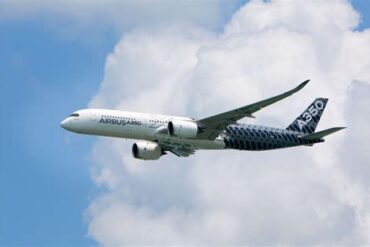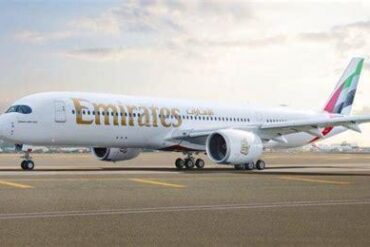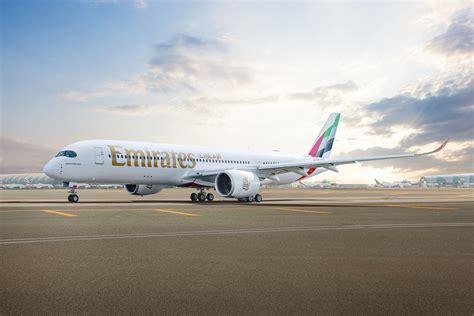
At the 2025 Dubai Airshow, Emirates made a strategic move to bolster its next-generation fleet by adding eight Airbus A350-900 aircraft to its order book. Valued at $3.4 billion based on Airbus list prices, this expansion underscores Emirates’ aggressive push toward fleet modernization and enhanced passenger experience. These newly ordered aircraft will be powered by Rolls-Royce Trent XWB84 engines, continuing the airline’s commitment to performance, efficiency, and sustainability.
The latest addition brings Emirates’ total commitment to 73 Airbus A350-900 jets, with 13 units already delivered and actively flying. This decision follows an even larger announcement earlier in the week where the airline placed an order for 65 Boeing 777-9 aircraft, signaling a total investment of $41.4 billion in new widebody aircraft this week alone.
Emirates’ Airbus A350-900: The New Backbone of Regional Operations
According to data from ch-aviation, the Emirates A350-900s are currently the youngest aircraft in its fleet, averaging just 0.5 years of age—a stark contrast to the airline’s overall fleet age of 15.5 years. These ultramodern jets are being deployed strategically, with a current top route between Dubai International Airport (DXB) and Kuwait (KWI), a short but high-demand Middle Eastern corridor served twice daily.
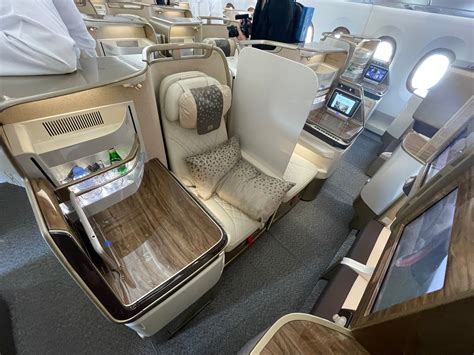
The cabin design of the A350-900s reflects Emirates’ dedication to premium comfort. Two layout configurations exist:
- Both feature 32 Business Class seats.
- One version includes 21 Premium Economy and 259 Economy Class seats.
- The other offers 28 Premium Economy and 238 Economy Class seats.
These layouts offer flexibility to serve a variety of routes and passenger demands, especially as Emirates continues to introduce Premium Economy as a core part of its mid-tier offering.
Elevated Experience and Modern Engineering
The A350-900, a long-haul specialist, has brought immediate advantages to Emirates’ operations. Earlier this week, the aircraft flew in a rare formation flight alongside the iconic Airbus A380 and Boeing 777, symbolizing the integration of this modern jet into the carrier’s legacy.
Ahmed bin Saeed Al Maktoum, Emirates’ Chairman and CEO, emphasized the airline’s long-term strategy: “Together with the additional Boeing 777-9 order announced earlier this week, Emirates now has a total of 375 units of the latest widebody aircraft on its orderbook. This is a massive investment in our future.”
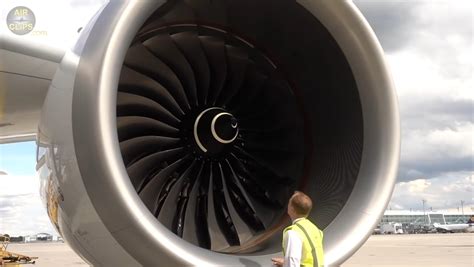
Rolls-Royce’s Trent XWB-84 engines, known for their fuel efficiency and reduced carbon emissions, continue to be the powerplant of choice. Omar Ali Adib, SVP of Regional Customers at Rolls-Royce, highlighted this as a “testament to the confidence in the Trent XWB-84.”
Airbus and Emirates: A Deepening Partnership
The long-standing relationship between Emirates and Airbus has reached a new milestone with this latest order. Benoît de Saint-Exupéry, EVP for Sales of Commercial Aircraft at Airbus, expressed enthusiasm, noting that the A350-900 “continues to set the benchmark for long-haul travel” and that Airbus is eager to support Emirates as it expands with one of the most modern widebody aircraft available.
The newly ordered jets are expected to enter service around 2031, ensuring Emirates maintains a future-ready, sustainable, and technologically advanced fleet. With this robust investment, Emirates is not just reinforcing its capacity—it is reshaping the future of air travel across the Gulf and beyond.