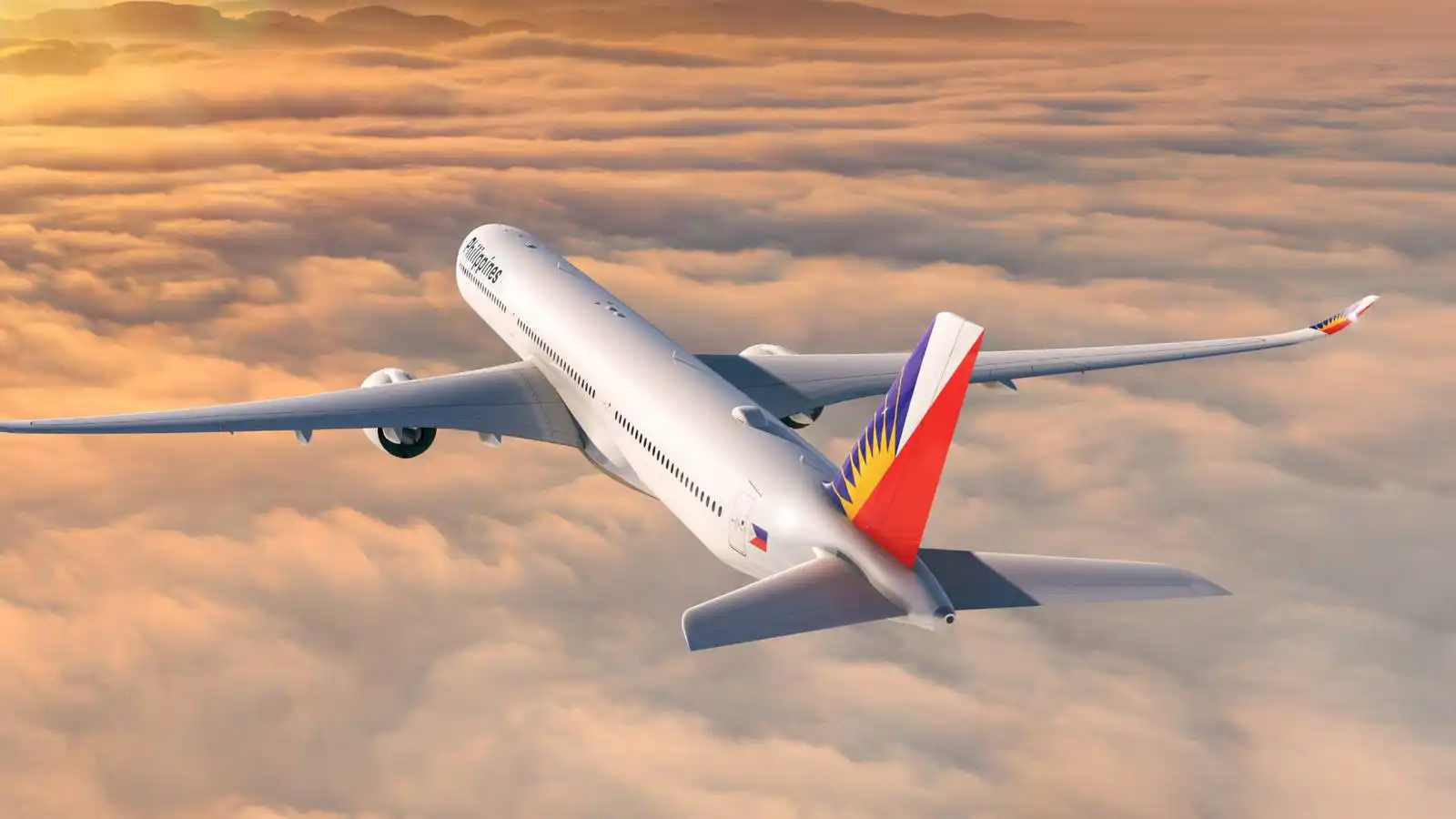
Philippine Airlines has announced a major expansion of its long-haul fleet strategy at the Farnborough International Airshow 2026, signing a Memorandum of Understanding (MoU) with Airbus for nine additional Airbus A350-1000 aircraft. The agreement follows the airline’s separate commitment for 15 Boeing 787-10 Dreamliners, highlighting an ambitious plan to modernize its widebody operations while increasing capacity on key international routes.
The latest Airbus agreement represents a significant step in Philippine Airlines’ transformation into a stronger global long-haul competitor. With existing A350-1000 aircraft already entering service and additional units previously on order, the new commitment will eventually bring the carrier’s total A350-1000 fleet to 18 aircraft. The airline is positioning the aircraft as the foundation of its future premium international network, particularly across the demanding transpacific market.
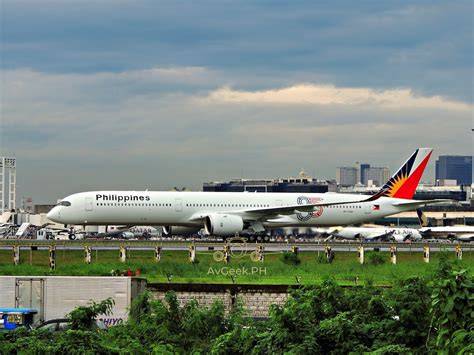
Philippine Airlines Builds A Modern Mixed Widebody Fleet
The back-to-back announcements from Farnborough demonstrate Philippine Airlines’ confidence in operating a diversified widebody fleet. While the Airbus A350-1000 and Boeing 787-10 Dreamliner are often viewed as direct competitors, the airline sees both aircraft families as complementary tools for different operational needs.
The Boeing agreement announced earlier at the airshow includes 15 firm orders for the 787-10, along with options for five additional aircraft. These jets will introduce a new generation of efficiency to the airline’s Boeing widebody fleet, which currently relies primarily on the Boeing 777-300ER for long-range missions.
Rather than choosing between Airbus and Boeing, Philippine Airlines is creating a balanced fleet strategy that combines the strengths of both manufacturers. The A350-1000 provides exceptional range and passenger comfort for ultra-long-haul routes, while the 787-10 offers high capacity and operational efficiency for routes where additional flexibility is valuable.
This approach reflects the airline’s broader goal of supporting international growth while improving the passenger experience through newer aircraft technology, improved fuel efficiency, and modern cabin products.
Airbus A350-1000 Supports Philippine Airlines’ Transpacific Ambitions
The Airbus A350-1000 was selected because of its impressive long-range capabilities, which match Philippine Airlines’ plans to expand connections between Manila and major destinations in North America. The aircraft’s range allows the carrier to explore nonstop services linking the Philippines with cities on the East Coast of the United States and Canada, markets where distance and operational efficiency are critical factors.
Airbus has described the A350-1000 as an ideal platform for competitive premium transpacific operations. The aircraft’s advanced aerodynamics, lightweight composite structure, and fuel-efficient Rolls-Royce Trent XWB engines allow airlines to operate longer routes while reducing fuel consumption compared with previous-generation widebody aircraft.
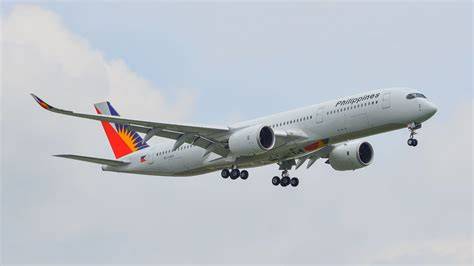
Philippine Airlines believes the aircraft will strengthen its position in international aviation by offering passengers a flagship travel experience. PAL Holdings President and COO Lucio Tan highlighted that the A350-1000 has already expanded the airline’s reach across North America while delivering a higher standard of service for travelers.
The aircraft’s ability to fly long distances without relying on intermediate stops gives Philippine Airlines greater flexibility as global demand for direct international connections continues to grow.
A Premium Three-Class Cabin Designed For Long-Haul Travel
Philippine Airlines will configure its Airbus A350-1000 fleet with a three-class cabin layout capable of carrying 382 passengers. This configuration focuses on balancing premium service with high-capacity international operations.
The airline’s existing A350-1000 arrangement includes 42 business class seats, 24 premium economy seats, and 316 economy class seats. The business class cabin features fully flat beds, providing passengers with a more comfortable experience on lengthy flights between Asia and North America.
The aircraft also reflects Philippine Airlines’ willingness to maximize available capacity. Its economy cabin uses a 10-abreast 3-4-3 seating configuration, which provides additional passenger volume compared with the traditional nine-abreast arrangement commonly found on some A350 operators.
While higher-density seating can increase capacity, the airline is expected to focus on maintaining service quality through upgraded amenities, improved cabin design, and enhanced onboard products.
A350-1000 Becomes Philippine Airlines’ New Long-Haul Flagship
The arrival of additional A350-1000 aircraft marks a new chapter for Philippine Airlines as it works to strengthen its international network. Airbus has identified the aircraft as the carrier’s new flagship, reflecting its importance in future long-distance operations.
The agreement also deepens the partnership between Airbus and Philippine Airlines, with Airbus emphasizing that the A350-1000’s range makes it suitable for expanding the airline’s future long-haul ambitions. The aircraft will allow PAL to compete more effectively in premium markets where nonstop connectivity and passenger comfort are increasingly important.
With both Airbus A350-1000s and Boeing 787-10 Dreamliners joining its fleet strategy, Philippine Airlines is preparing for a major modernization phase. The combination of two advanced widebody aircraft families gives the carrier greater flexibility to match aircraft size, range, and efficiency with different international markets.
The nine additional A350-1000s are more than a fleet purchase; they represent Philippine Airlines’ ambition to become a stronger player in global aviation, connecting Manila with more destinations while delivering a next-generation long-haul experience.