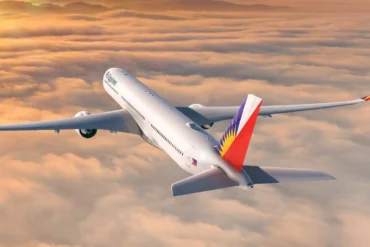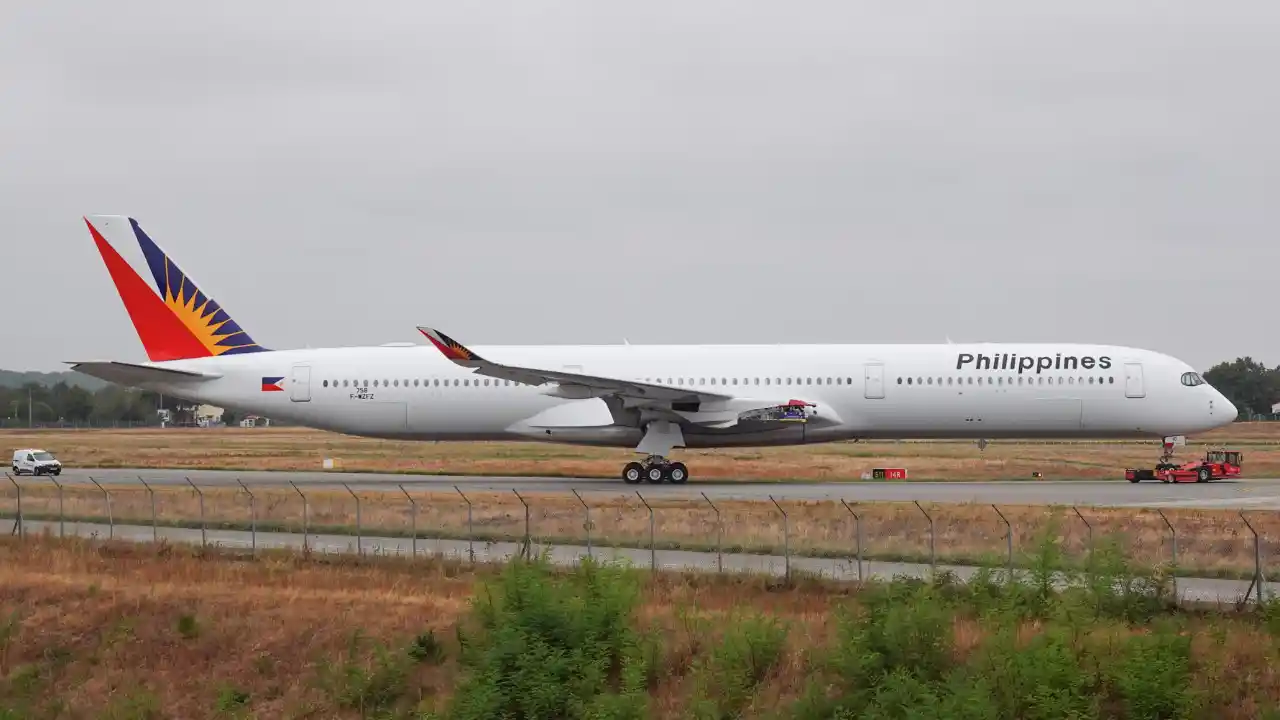
Philippine Airlines is no stranger to reinvention, and with the launch of its new flagship Airbus A350-1000, the national carrier has taken an audacious leap in redefining in-flight safety protocols—by turning them into a six-minute telenovela. Dubbed a “Safety Novela,” the video breaks away from the industry’s traditional or even abstract scenic formats, diving headfirst into melodrama, narrative arcs, and cinematic tropes. It’s not just a safety video—it’s a full-blown emotional spectacle designed to hook, entertain, and subtly inform.
A Flying Soap Opera: The Rise of the #PALSafetyNovela
Debuting aboard the Airbus A350-1000, Philippine Airlines’ new safety video unfolds across multiple stunning Philippine locations. From sunlit rice terraces to vibrant beaches and bustling town centers, each backdrop hosts scenes that blend telenovela drama with flight safety procedures. The video stars a glamorous yet relatable cast of characters entangled in a loose narrative involving love, betrayal, reconciliation, and—of course—seatbelts.
Unlike its predecessor, which showcased serene aerials of the country’s islands as flight attendants demonstrated safety measures, this version casts actors as passengers, weaving their stories into the necessary instructions. For instance, a tearful confrontation between lovers is interrupted as oxygen masks fall from the ceiling. A dramatic exit? Only possible after the seatbelt is unfastened properly. The core idea is simple: engage the viewer emotionally to enhance attention and retention.
Entertainment or Distraction? The Ongoing Debate in Safety Video Evolution
The strategy isn’t new. Airlines worldwide—from Air New Zealand’s Middle Earth tributes to Turkish Airlines’ LEGO-themed videos—have long embraced the infotainment model. But Philippine Airlines’ approach is bold even by these standards, as it fully embraces the melodramatic tone native to Filipino pop culture.
However, this cinematic flair invites a critical question: Does drama dilute the message?
Critics argue that while engagement increases, information retention may suffer. With dialogue-driven scenes and complex emotional cues, passengers—especially non-native English speakers or first-time flyers—may miss vital details. The emergency brace position, life vest use, or even location of exits risk being overshadowed by character arcs and slow-motion stares.
PAL’s Strategic Play: Rebranding Through Cultural Identity
Yet, beyond safety, the move signals a deeper intention: branding and identity projection. Philippine Airlines is positioning itself not just as a transport provider, but as a cultural ambassador, one that mirrors the vibrancy, storytelling tradition, and cinematic taste of its home nation.
The “Safety Novela” comes at a pivotal moment. With fleet modernization underway and global tourism steadily rebounding, PAL must differentiate itself in a competitive regional market. The Airbus A350-1000 serves long-haul routes—think North America and Europe—where carriers compete not only on price and schedule, but on brand recall and passenger experience. For PAL, the video becomes a portable slice of the Philippines, leaving a lasting impression that extends well beyond safety briefings.
Moreover, the use of native actors, local music, and recognizable landscapes infuses the production with national pride, appealing to both OFWs (Overseas Filipino Workers) and international travelers seeking authenticity.
The Global Trend of Safety Theater: Where PAL Fits In
This shift from instructive to performative safety videos represents a broader trend in aviation: safety theater. Airlines increasingly view the pre-flight briefing as a marketing touchpoint rather than a regulatory hurdle. The logic is persuasive—when passengers pay attention, they’re more likely to comply in an emergency. But attention is fickle. Does emotion trump clarity?
Airlines like Emirates, in contrast, continue to champion the no-nonsense model—straightforward instructions, crisp delivery, minimal distractions. Some travelers and experts argue that this clarity is invaluable, especially for those already anxious about flying.
Yet PAL’s gamble may pay off precisely because of its distinctiveness. In a crowded media environment where even inflight time is saturated with content, breaking through requires novelty, cultural resonance, and surprise. The Safety Novela delivers all three.
Audience Reception: Viral Moment or Cultural Classic?
Initial reactions on social media suggest the video is a viral success. Hashtags like #PALSafetyNovela and #CueTheDrama have begun trending across Filipino Twitter and Instagram, with users praising the ingenuity and celebrating the showcase of local artistry. YouTube views are climbing, and influencer-led commentary is amplifying the message.
But virality doesn’t necessarily equate to effectiveness. Experts in aviation psychology emphasize that memorability of safety procedures must remain paramount. PAL will need to monitor how the video performs not just in clicks, but in passenger comprehension—possibly through follow-up surveys or in-flight quizzes.
If passengers can recall how to inflate a life vest more easily because a character dramatically threw one on mid-breakup, then the experiment is a win.
What This Means for the Future of Airline Safety Messaging
Philippine Airlines has opened the door for what might be the next evolution in safety content: serialized narratives. With the success of its “Safety Novela,” the airline could feasibly rotate episodes, introducing new characters or updating plotlines across seasons. Such an approach could solve the problem of passenger fatigue, where frequent flyers stop paying attention to repetitive messages.
However, this path also introduces challenges in regulatory approval, translation across languages, and ensuring legal compliance with safety instruction standards. Aviation regulators may eventually need to issue clearer guidelines on what qualifies as an acceptable mix of entertainment and clarity.
Conclusion: A Calculated Risk With Sky-High Stakes
Philippine Airlines’ “Safety Novela” is a high-production, culturally infused, risk-laden venture that reflects both ambition and creativity. It’s not just a bid for attention—it’s a statement about who the airline is, what it represents, and where it wants to go.
Whether it ultimately enhances safety awareness or becomes a dazzling distraction remains to be seen. But in the competitive world of global aviation, blending storytelling with strategic branding might just be the bold step PAL needs to stand out—especially when the skies are more crowded than ever.
One thing is certain: passengers won’t forget this safety video anytime soon. And perhaps, just perhaps, they’ll remember to fasten their seatbelts along the way.