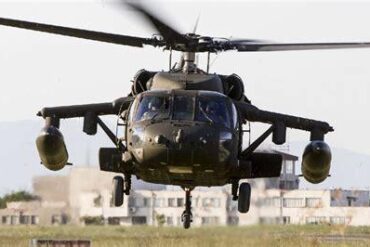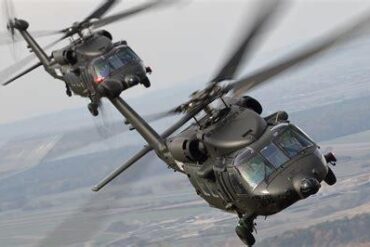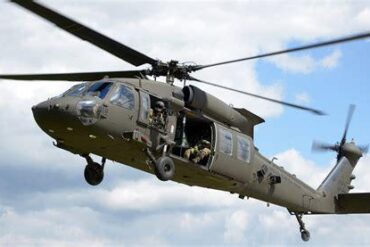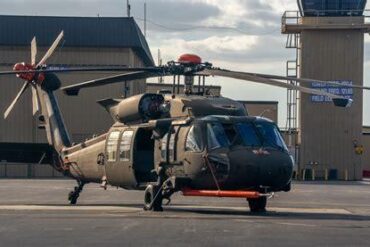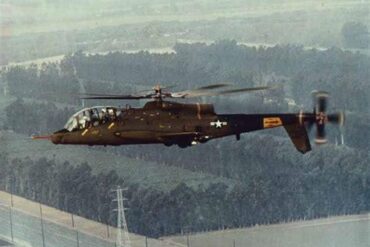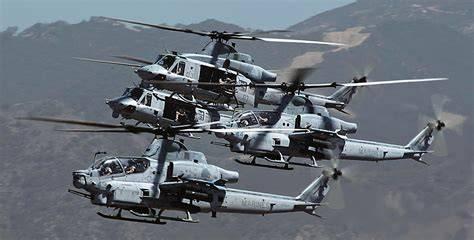
The AH-64 Apache and UH-60 Black Hawk are two of the most recognizable helicopters in the U.S. military. Both are closely associated with the U.S. Army, appearing in combat operations, military exercises, and even films such as Black Hawk Down. Yet one major U.S. military service does not operate either helicopter: the U.S. Marine Corps. That absence is deliberate, not an oversight.
At first glance, the decision seems surprising. The Marines operate a substantial helicopter fleet and routinely conduct missions involving ground combat, assault, reconnaissance, transport, and close air support. An Apache could seemingly provide the attack capability the Marines need, while a Black Hawk could offer a proven utility platform. However, Marine aviation is built around a different operational environment and a different set of requirements.
The fundamental issue is that Marine helicopters must be optimized for expeditionary warfare, particularly operations involving ships, coastlines, and contested littoral zones. The Army’s Apache and Black Hawk were developed primarily around land-based operations. Although both are highly capable aircraft, simply transferring them to the Marine Corps would create logistical, engineering, and operational complications without providing a compelling advantage over helicopters the Marines already operate.
The Marine Corps Has Its Own Apache Alternative
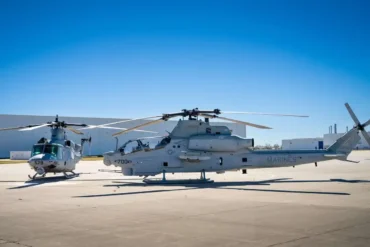
For attack missions, the Marines operate the AH-1Z Viper, a modernized evolution of the legendary AH-1 Cobra. The original Cobra entered service in 1967, but the AH-1Z represents a dramatically upgraded design with modern avionics, sensors, weapons, survivability systems, and digital architecture.
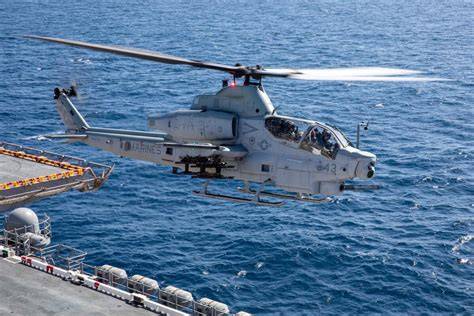
The Viper was specifically developed around Marine Corps requirements. Its design supports operations from amphibious ships and austere expeditionary locations, allowing Marine aviation units to remain closely integrated with naval forces. That specialization is important because Marine forces may need to move rapidly from sea to shore and provide immediate air support without relying on large permanent air bases.
The AH-1Z therefore performs the broad attack-helicopter role that an AH-64 Apache performs for the Army, but it does so within a distinctly Marine framework. The Corps received its final AH-1Z aircraft in 2018 and expects the type to remain in service for decades, making an Apache transition unnecessary.
Why the UH-1Y Venom Replaced the Need for Black Hawk
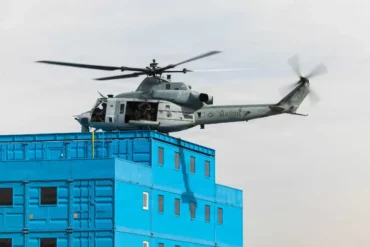
The same logic explains why Marines do not operate the UH-60 Black Hawk. Instead, their primary utility helicopter is the UH-1Y Venom, another member of the H-1 family.
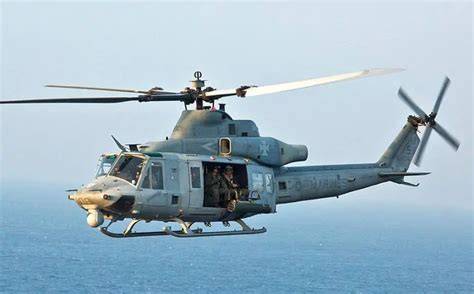
The UH-1Y is based on the historic Huey lineage but incorporates modern engines, avionics, survivability equipment, communications, and greater performance. It entered Marine service in 2008 after years of development and was designed specifically for the Corps’ expeditionary mission.
The Venom can operate from naval vessels and support Marine forces in environments where corrosion resistance, shipboard compatibility, and expeditionary flexibility are crucial. These requirements make it a more natural fit than a helicopter originally designed around the Army’s land-based structure.
The Real Reason Is Mission Specialization
Ultimately, the Marines do not avoid the Apache and Black Hawk because those helicopters are ineffective. Quite the opposite: both remain highly successful platforms. The issue is that the Marine Corps already possesses aircraft designed around its unique requirements.
Operating another helicopter family would also introduce additional training, maintenance, spare-parts, logistics, and infrastructure demands. If the UH-1Y and AH-1Z can fulfill the required missions while integrating naturally with amphibious operations, there is little reason to add Army-designed alternatives.
The distinction highlights an important principle of military aviation: the best helicopter is not necessarily the most famous or powerful one, but the aircraft designed for the mission it must perform. For the Marines, that means helicopters capable of following expeditionary forces from ship to shore and supporting combat operations in the demanding littoral environment.