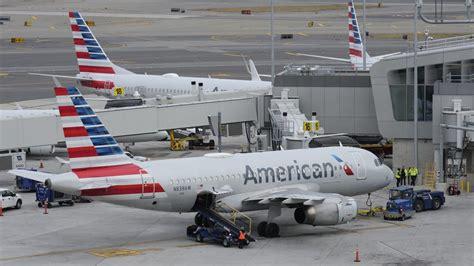
The Association of Professional Flight Attendants (APFA), the union representing more than 26,000 American Airlines crew members, has issued a strong warning over the continued expansion of Immigration and Customs Enforcement (ICE) activity at U.S. airports. In a statement released August 31, the union said it was “deeply alarmed” by what it described as increasingly aggressive enforcement tactics involving both passengers and airline employees.
The concern extends beyond immigration enforcement itself. According to the APFA, ICE activity can interfere with normal airport and airline procedures, creating situations in which flight attendants, passengers, and other aviation workers may be placed in dangerous positions. The union is now accepting anonymous reports from crew members who have encountered ICE activity at work and believe the conduct was inconsistent with established legal or operational procedures.
The development highlights an increasingly complicated relationship between federal immigration enforcement and the tightly controlled environment of commercial aviation. Airports rely on multiple agencies working within carefully defined security systems, while airline crews are responsible for maintaining order and safety inside aircraft. When federal enforcement activity intersects with those responsibilities without clear coordination, the result can be confusion at precisely the places where aviation operators depend on predictable procedures.
ICE Airport Enforcement Draws Strong Criticism From American Airlines Flight Attendants
The APFA’s criticism comes amid broader concerns over the expansion of immigration enforcement under President Donald Trump’s second administration. ICE officers have increasingly conducted enforcement operations in and around transportation facilities, including airports, where access to travelers, employee areas, and flight information can provide opportunities to locate individuals targeted for enforcement.
One of the union’s central concerns is the apparent lack of coordination between ICE and airport authorities. Commercial airports are among the most highly regulated public environments in the country, involving airport operators, the Transportation Security Administration (TSA), local police departments, airlines, and federal agencies. Their procedures have been developed and refined over decades, particularly following the September 11, 2001 attacks, when aviation security underwent sweeping changes.
The APFA says ICE operations can disrupt that established framework. The union claims officers have conducted activities without adequately coordinating with airport authorities or local law enforcement, potentially creating situations in which airline employees must determine how to respond while an enforcement operation is already underway.
Airline Crews Face Uncertainty During ICE Operations
For flight attendants, the issue is particularly sensitive because their primary responsibility remains aircraft safety. Crew members routinely control access to the aircraft during boarding, coordinate with ground personnel, and respond to security concerns before departure. An unexpected attempt by law enforcement officers to enter an aircraft can therefore create an immediate operational dilemma.
The reference material cites reports of ICE agents attempting to gain access to aircraft during boarding procedures. In some cases, flight attendants have reportedly refused entry when they believed proper authorization or procedures had not been established. Other airline unions, including the Association of Flight Attendants-CWA, have also advised members not to answer questions without appropriate judicial warrants in situations where they believe their rights or established procedures are involved.
That uncertainty matters because an aircraft is not simply another public space. Every disruption during boarding can affect passengers, crew, departure schedules, security procedures, and potentially connecting flights. A confrontation between federal officers and airline employees could quickly escalate from an immigration matter into an operational and safety issue.
The APFA’s statement captured that broader concern by arguing that the airline industry’s purpose is to connect families, support business and leisure travel, and make international movement easier. The union said that when federal actions undermine constitutional protections or threaten employees’ livelihoods, it believes aviation workers have a responsibility to speak out.
Minneapolis Airport Becomes a Major Flashpoint
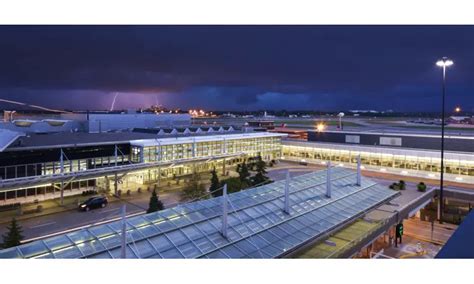
Minneapolis-Saint Paul International Airport (MSP) has emerged as one of the locations cited in discussions surrounding ICE activity. According to the reference material, ICE agents detained more than a dozen airport employees as they arrived for work in January, illustrating how immigration enforcement can directly affect the aviation workforce rather than only passengers.
The airport was also reportedly affected by increased enforcement during the 2025 Christmas and New Year travel period. The reference material describes employees and travelers being subjected to spot checks and claims that some individuals carrying valid REAL IDs were detained after officers questioned the validity of their documentation.
Such incidents have intensified concerns among airport workers because employees must regularly pass through controlled access points and report for shifts according to strict schedules. Immigration enforcement involving employees can therefore have consequences extending beyond the individual being questioned, potentially affecting staffing and airport operations.
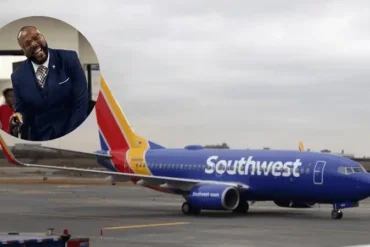
Another prominent case involved Southwest Airlines flight attendant Lorenzo Thompson, who was arrested by ICE agents on July 14 while reportedly waiting at his Nashville crew base. His detention has become a focal point for critics of the agency’s tactics, particularly because reports indicated that he was pursuing citizenship and had been working under a visa. The legal circumstances surrounding his detention remain contested.
Questions Over ICE Training and Airport Safety
The controversy also extends to concerns over the rapid expansion of ICE’s workforce. The reference material states that the Department of Homeland Security accelerated recruitment following the passage of the One Big Beautiful Bill Act in 2025, which included provisions requiring a substantial expansion of immigration enforcement personnel.
According to reporting cited in the material, the standard 584-hour training curriculum was reduced by approximately 40% to around 340 hours. Reports have also raised questions about personnel receiving weapons and badges while still holding provisional status.
For aviation professionals, the issue is especially consequential. Airports require personnel operating within secure environments to understand complex rules governing access, identification, aircraft security, and coordination with other agencies. Any shortcomings in training can become more significant when officers operate alongside airline employees who must make rapid safety decisions.
The APFA’s decision to establish an anonymous reporting channel suggests that the union believes conventional workplace channels may not be sufficient for documenting these encounters. It also signals that the dispute is moving beyond isolated incidents toward a broader debate over how federal immigration enforcement should operate inside America’s commercial aviation system.
ICE Activity Could Affect US Airlines and International Travel
The implications could extend beyond individual arrests or airport disruptions. International travelers are particularly important to U.S. airlines, and perceptions of airport security and immigration procedures can influence where passengers choose to travel.
At a time when airlines are already dealing with volatile operating costs, fuel-price pressures, staffing challenges, and shifting international demand, additional uncertainty at major airports could create another commercial concern. For passengers, the prospect of encountering immigration enforcement during an ordinary journey may add anxiety to an experience that airlines are trying to make increasingly seamless.
The APFA’s warning therefore represents more than a labor dispute. It reflects a fundamental question about the balance between federal immigration enforcement, constitutional protections, airport security, and airline operational safety.
As ICE activity at U.S. airports continues to attract scrutiny, American Airlines crew members and other aviation unions are likely to remain closely involved in the debate. For passengers, the most immediate issue is whether enforcement operations can be conducted without compromising the carefully coordinated procedures that keep commercial aviation moving safely.