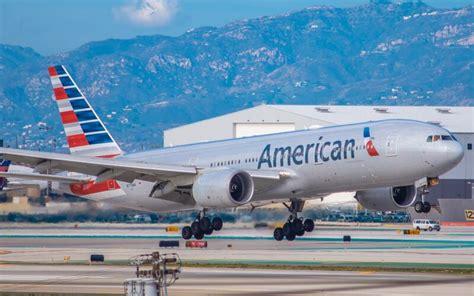
The tone inside American Airlines has shifted from quiet concern to unmistakable public pressure. In a candid message to pilots, the Allied Pilots Association (APA)—one of the most influential labor groups in U.S. aviation—has opened the door to a conversation that leadership hoped to keep closed. While stopping short of endorsing any formal tie-up, APA President Nick Silva described United Airlines CEO Scott Kirby’s merger concept as a “bold vision,” a phrase that now carries weight far beyond its wording.
This was not a casual remark. It was a carefully placed signal that the airline’s pilot corps is no longer satisfied with incremental adjustments or defensive strategy. Instead, they are demanding clarity, ambition, and above all, a credible path forward in a fiercely competitive global aviation market.
A Rival’s Proposal That Reframed the Debate
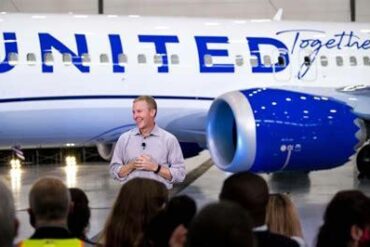
The spark came from an unexpected place: a high-level conversation involving United Airlines and U.S. political leadership. During a White House meeting earlier this year, Scott Kirby floated the idea of a mega-merger between United and American Airlines—a proposal that would reshape the aviation landscape overnight.
American Airlines CEO Robert Isom rejected the idea almost immediately, labeling it anti-competitive and harmful to consumers. Under normal circumstances, that would have ended the discussion. Instead, it ignited something far more consequential: an internal reckoning.
Silva’s response did not defend management’s position. Instead, it subtly challenged it. By praising the strategic imagination behind the proposal, he reframed the issue from “whether a merger is viable” to “whether American Airlines is thinking boldly enough.”
Frustration Within the Pilot Ranks Reaches a Boiling Point
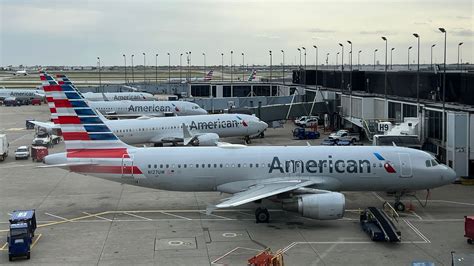
The APA’s message reflects a deeper and longer-building frustration. For months, American Airlines pilots have voiced concerns that the company is falling behind its primary rivals, particularly United Airlines and Delta Air Lines.
This is not a vague perception—it is backed by tangible performance gaps. Competitors have leaned aggressively into premium long-haul expansion, modern fleet investments, and stronger hub strategies. American, by comparison, has struggled to match that momentum.
Financial and operational comparisons tell a stark story. While Delta and United report multi-billion-dollar profits and maintain expansive global networks, American’s margins remain thin. Its widebody fleet is significantly smaller, limiting its reach across high-yield international routes.
For pilots, these differences translate directly into career realities. More long-haul routes mean better scheduling, higher earning potential, and faster advancement. The union’s dissatisfaction is not theoretical—it is rooted in daily professional impact.
Leadership Under Scrutiny: A Question of Vision
At its core, the unfolding situation is not really about a merger. It is about leadership credibility.
Silva’s message made that point unmistakably clear. His reference to a “bold vision” was paired with a sharp critique of American’s executive direction, suggesting that employees feel overlooked, undervalued, and strategically sidelined.
The language used carries an undercurrent of urgency. Calls for “real leadership” and “decisive action” indicate that patience is wearing thin. This aligns with earlier developments, including union pressure campaigns and even a no-confidence vote from flight attendants—a rare and serious escalation.
The Long-Haul Gap That Defines the Competitive Divide
The most visible manifestation of American’s challenges lies in its long-haul network. United Airlines now operates approximately 40% more long-haul destinations, supported by a robust fleet of aircraft such as the Boeing 787 Dreamliner.
This disparity is not merely about route maps; it defines the airline’s global relevance. Long-haul operations drive premium revenue, strengthen international partnerships, and reinforce brand prestige.
American’s more limited reach places it at a disadvantage in all three areas. For pilots and industry observers alike, the implication is clear: without a significant strategic shift, the gap will continue to widen.
Merger Talk: Symbolism Over Substance
Despite the growing attention, a United-American merger remains highly improbable. Regulatory barriers alone would be formidable, with overlapping routes, congested hubs like Chicago O’Hare (ORD) and Los Angeles International Airport (LAX), and intense antitrust scrutiny making approval unlikely.
Even political signals have leaned against such consolidation. But focusing solely on feasibility misses the larger point.
The merger discussion has become a symbolic battleground—a way for labor to push management into confronting uncomfortable realities. Silva’s remarks suggest that the union is less interested in the merger itself and more in what it represents: a willingness to consider transformative ideas.
Internal Dynamics and Strategic Pressure Intensify
The APA’s stance also reflects internal union dynamics. Leadership within the organization faces its own pressures to demonstrate advocacy and alignment with member concerns. Taking a firm, public position against management—and entertaining bold alternatives—resonates strongly with a workforce seeking change.
Silva hinted that these discussions are not purely hypothetical. His acknowledgment that external efforts may be underway to engage pilots in alternative strategies adds another layer of intrigue. While details remain अस्पष्ट, the implication is that American’s future is actively being debated beyond the boardroom.
A Defining Moment for American Airlines’ Future
The current moment represents more than a labor dispute or a fleeting headline. It is a strategic inflection point.
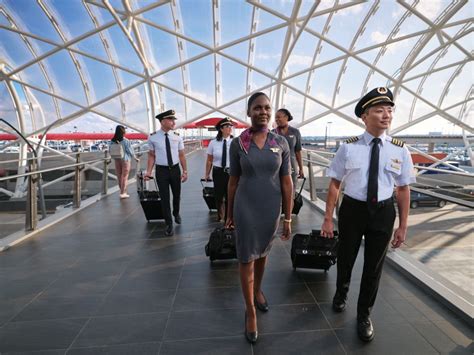
American Airlines must now address a fundamental question: can it articulate a compelling vision that matches—or exceeds—the ambition demonstrated by its competitors? Incremental adjustments will not satisfy a workforce that increasingly views itself as part of a global, high-performance industry.
Silva’s message ensures that the pressure will not dissipate quietly. By elevating the conversation to one of vision and leadership, the union has effectively reframed the stakes.
The debate over mergers may fade, but the demand for clarity, competitiveness, and bold strategic thinking will persist. In that sense, the most significant impact of United’s proposal may not be any deal that emerges—but the urgency it has injected into American Airlines’ internal reckoning.
And that urgency is unlikely to fade anytime soon.