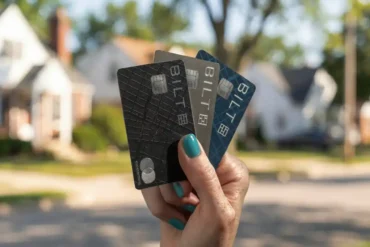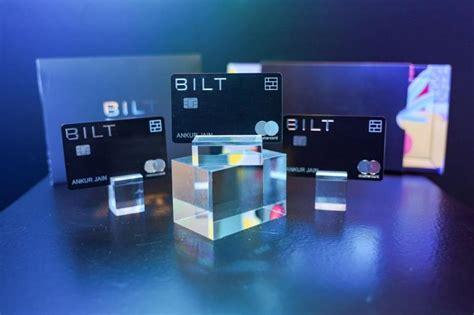
Bilt Rewards is set to enter a transformative new phase with the upcoming Bilt Card 2.0 launch, and the implications for renters and points maximizers could be seismic. With leaked internal code and strategic shifts pointing toward a multi-tiered card portfolio, all eyes are on how Bilt plans to evolve its core promise: rewarding rent payments.
New Partnerships, New Direction: Cardless Takes the Wheel
Following a decisive break from Wells Fargo, which reportedly faced significant losses from the original Bilt card structure, Bilt is now teaming up with Cardless, a fast-rising fintech platform known for white-labeled card solutions. This switch signals more than just a new issuer—it likely marks a philosophical change in how Bilt balances profitability with perks.
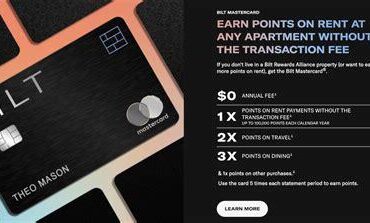
Where Wells Fargo’s version was famed for allowing users to earn points on rent with no fees and minimal effort, this proved financially unsustainable. The rumored new approach indicates Bilt is setting up systems that encourage more holistic card usage, tying rent rewards directly to broader monthly spend activity.
Inside the Leak: The Three Main Cards (So Far)
Based on leaks first identified in website code and discussed widely on Reddit, Bilt’s new card lineup could include three tiers:
1. Bilt Blue (No Annual Fee)
- Welcome Bonus: $100 in Bilt Cash
- Rewards: 4% Bilt Cash on everyday spend, 1x on rent, mortgage, and general spend
- Perks: No foreign transaction fees, Neighborhood Benefits, ability to use Bilt Cash to offset rent/mortgage transaction fees
This entry-level product remains attractive for fee-averse users, especially renters seeking a frictionless entry into the points world. Yet its rent rewards rate is modest, and usage of Bilt Cash to waive transaction fees subtly encourages more engagement.
2. Bilt Obsidian ($95 Annual Fee)
- Welcome Bonus: $200 in Bilt Cash
- Rewards: 4% on everyday spend, 3x on dining or grocery (one category), 2x on travel, 1x on rent/mortgage
- Perks: $100 hotel credit via Bilt Travel, phone protection, Bilt Cash utility for rent fee waivers
The Obsidian emerges as a sweet spot for travelers and urban professionals, blending lifestyle and travel perks with flexibility in spend categories. Yet, notably, rent earns a mere 1x—underwhelming unless balanced by high general usage.
3. Bilt Palladium ($495 Annual Fee)
- Welcome Bonus: 50,000 Bilt Points + Gold Status (after $4,000 spend), $300 Bilt Cash
- Rewards: 4% Bilt Cash + 2x on everyday spend, 1x on rent/mortgage
- Perks: $400 hotel credit, $200 annual Bilt Cash, Priority Pass lounge access
With hefty fees come elite-tier perks, positioning Palladium as Bilt’s answer to the Amex Platinum. Yet even here, rent remains at 1x—making it clear the company’s not prioritizing massive point accrual on rent alone.
Alternative Versions and Experimental Variants
Beyond the core three, additional card names and versions were spotted in the code. These may reflect alternative product lines or future test offerings. Names like Bilt Home, Bilt Everyday, Bilt Neighborhood, Bilt Titanium, and Bilt Platinum appeared—some offering rewards tied to a new “Neighborhood Rewards” system, suggesting local partnerships and geolocated spending incentives may become key pillars.
While these versions differ in reward structures, most introduce thresholds—like minimum transactions or monthly spend—required to waive rent transaction fees. This marks a move away from blanket incentives toward behavior-based rewards.
What Happens to Rent Rewards? A Closer Look at the Mechanics
The elephant in the room remains: How will rent rewards actually work? If leaks hold true, Bilt may charge the standard 3% fee on credit card rent payments but allow cardholders to offset that cost with earned Bilt Cash. With most cards earning 4% Bilt Cash on everyday spend, the implication is clear:
To fully offset your rent transaction fee, you’ll need to spend roughly 75% of your rent amount on the card each month.
For example:
- Monthly rent: $4,000
- Required monthly spend to cover 3% fee in Bilt Cash: $3,000
This indirect reward system creates a highly gamified structure, motivating cardholders to funnel non-rent spending through Bilt Cards. While effective in terms of retention, it adds layers of complexity that casual users may find off-putting.
Goodbye Gaming, Hello Engagement: Why This Makes Business Sense
The original Bilt x Wells Fargo model allowed users to simply make five small transactions a month to unlock rent rewards—enabling point farming with minimal effort. It was great for users, disastrous for banks.
By linking rent fee waivers to overall card usage, Bilt is trying to optimize for profitability and stickiness. You want rent points? You’ll have to live with the card, not just game it.
Yet there are risks. The average consumer is facing credit card fatigue, juggling multiple travel cards, cashback offers, and rotating categories. Asking users to think in terms of spending ratios and Bilt Cash math every month might erode enthusiasm, particularly if the reward rates aren’t dramatically better than rivals.
Will Users Stay Loyal Amid Changing Economics?
Bilt’s biggest brand equity lies in doing what no other card did: making rent rewarding. Even with this pivot, Bilt remains ahead of the curve. No other mainstream issuer lets users earn meaningful rewards on five-figure annual rent spend.
However, maintaining that competitive edge means more than just being first. It means being simple, rewarding, and trustworthy. As complexity increases, Bilt risks losing the magic that made it special.
In particular, the company needs to communicate transparently and early, something it has struggled with. The fact that users had to scrape code and speculate in forums to learn what’s next is not a confidence booster.
Final Thoughts: Evolution or Erosion?
If the leaks are accurate, Bilt Card 2.0 represents a calculated shift—from universal rent rewards to conditional, usage-driven incentives. The intent is clear: motivate broader adoption, increase card usage, and protect profitability.
This evolution isn’t necessarily bad—but it is a departure from the simplicity and generosity that defined the original Bilt experience. For power users willing to optimize, the new model can still deliver outsized value. For casual renters, though, the juice may no longer be worth the squeeze.
With the official pre-order window opening January 14, 2026, and full launch expected February 7, 2026, renters, rewards aficionados, and credit card strategists alike will be watching closely.
Will Bilt pull it off? Or has the rent rewards revolution peaked?