In a rare moment of public concession, Airbus CEO Guillaume Faury has admitted that Boeing is likely to surpass Airbus in net aircraft orders by the end of 2025, despite Airbus maintaining its lead in deliveries and overall production capacity. This statement, made during an interview with France’s Inter Radio, marks a significant pivot in the ongoing rivalry between the two aerospace giants.
Boeing Reclaims the Orders Crown After Six Years
Between January and November 2025, Boeing recorded 908 net aircraft orders after cancellations, while Airbus trailed with 700 net orders. This shift is noteworthy as it reflects Boeing’s first lead in annual net orders in six years, and underscores a strategic rebound by the American manufacturer amidst political, market, and operational shifts.
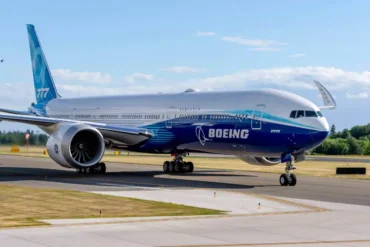
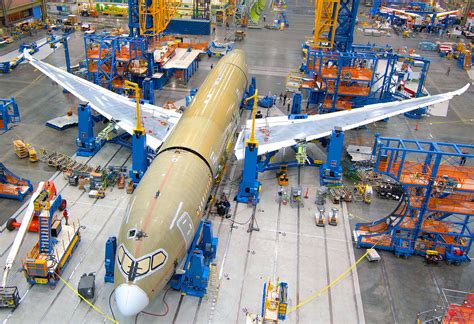
One of the primary drivers behind Boeing’s surge is the renewed global demand for the 787 Dreamliner, an aircraft that has become a favorite for airlines revamping their long-haul fleets. In fact, Boeing still has over 700 units of the 787 on backorder, providing a strong runway of future production.
According to Faury, the political climate has also played a role in Boeing’s resurgence. He remarked that “they have been helped by the American president as part of tariff negotiations with several countries,” indicating that governmental trade maneuvers may have tilted some deals in Boeing’s favor.
Airbus Still Dominates in Deliveries and Backlog
While Boeing may win the 2025 order race, Airbus retains a comfortable lead in aircraft deliveries and backlog volume. Faury emphasized that Airbus’s consistent performance over the past five years has translated into a backlog large enough to span half a decade of production, ensuring long-term stability.
The strength of Airbus lies in its narrowbody segment, especially the A321 family, including the cutting-edge A321XLR. This model is revolutionizing point-to-point long-haul travel by offering operational efficiency on thinner routes—something previously unfeasible with widebody jets.
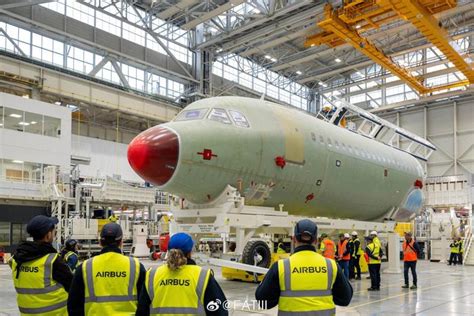
To meet booming demand, Airbus is actively expanding its global production capacity, notably in China and the U.S. The recent expansion of its Tianjin plant added a second assembly line, doubling its capacity and moving toward an ambitious goal of producing 75 aircraft per month by 2027.
Chinese Market: A Key Battleground
Both manufacturers are aggressively targeting China’s aviation market, projected to require more than 500 new jets in the coming years. Airbus recently confirmed that China has revived an earlier order of 120 aircraft, bolstering its order book in the strategically vital region.
As of November 2025, Airbus has accumulated a total of 797 aircraft orders, broken down as follows:
- 544 narrowbody aircraft, with customers like United Airlines, BOC Aviation, Avolon, and VietJet Air.
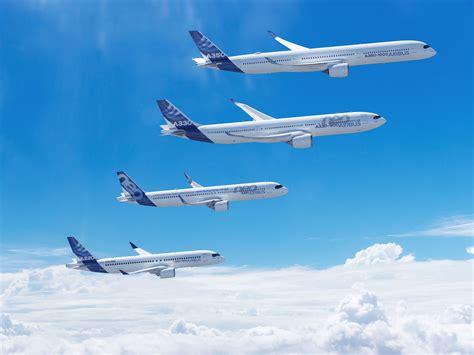
- 253 widebody aircraft, with significant deals from Riyadh Air and IndiGo, focusing on the A330 and A350 families.
Despite challenges in the supply chain, labor shortages, and software issues—including a major A320 recall caused by solar radiation interference—Airbus remains the world’s largest aircraft manufacturer in terms of actual deliveries.
Strategic Lessons in Resilience and Timing
Airbus’s early-year dominance may have been dulled by late surges from Boeing, spurred by political deals and pent-up demand for the Dreamliner. However, this is far from a loss for the European giant. With a healthy backlog, expanding infrastructure, and technical innovation, Airbus continues to dominate the industry’s delivery and production landscape.
The 2025 race between Airbus and Boeing is not merely about order tallies—it reflects deeper dynamics of geopolitics, manufacturing resilience, and customer trust. Boeing’s apparent victory in the order books may be temporary, but it signals a reinvigorated player with momentum, while Airbus plays the long game with scalability and innovation at its core.
As both companies face ongoing global pressures, from engine part shortages to political realignments, the true winner of 2025 may not be decided by orders alone—but by who is best positioned to deliver on them through 2030 and beyond.