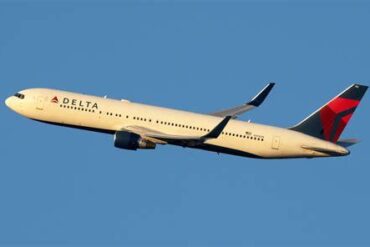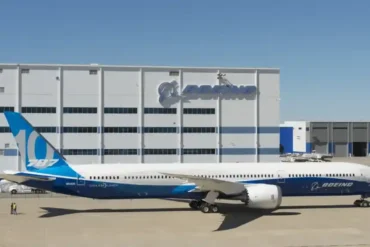
The global aviation industry is watching Delta Air Lines closely after its headline-making decision to order up to 60 Boeing 787-10 Dreamliners, a move that quietly reshaped assumptions about the carrier’s long-term fleet strategy. That order, with deliveries beginning in 2031, was widely interpreted as a signal that Delta wanted balance—operational, financial, and political—between Boeing and Airbus. Yet the timing of those deliveries has opened a far more intriguing question: is Delta preparing to place another widebody aircraft order to bridge an emerging capacity gap?
A Strategic Pause That Looks Increasingly Intentional
Delta’s widebody renewal plan, when viewed holistically, reveals an unusual lull. After scheduled deliveries of Airbus A350-1000s in the late 2020s and before the first 787-10 arrives in 2031, the airline faces a multi-year stretch with no new long-haul aircraft entering the fleet. For an airline that prizes operational resilience and disciplined growth, that silence feels less accidental and more like a placeholder.
Industry watchers have taken note, especially after respected aviation insider JonNYC hinted that Delta may already be evaluating another order. While no aircraft type has been publicly named, the implication is clear: Delta’s leadership is unlikely to let such a delivery gap persist without a contingency plan.
The Reality of Delta’s Aging Long-Haul Fleet
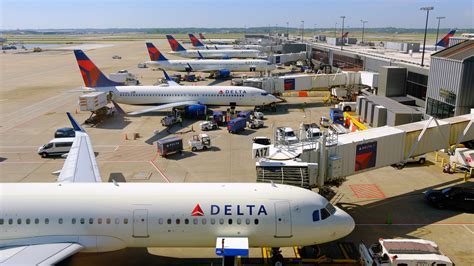
Delta’s current long-haul fleet is a blend of next-generation aircraft and older, well-utilized workhorses. The airline operates dozens of Boeing 767-300ERs and 767-400ERs, some approaching three decades in service. While Delta is famous for extracting exceptional value from mature airframes, even its famously meticulous maintenance culture cannot outrun fuel efficiency economics forever.
At the same time, the carrier still flies significant numbers of Airbus A330-200s and A330-300s, aircraft that remain reliable but increasingly outpaced by newer designs in terms of operating costs and emissions performance. This creates a structural imbalance: too many retirements looming on the horizon, and not enough near-term replacements firmly scheduled.
Why the Airbus A330-900neo Fits the Puzzle
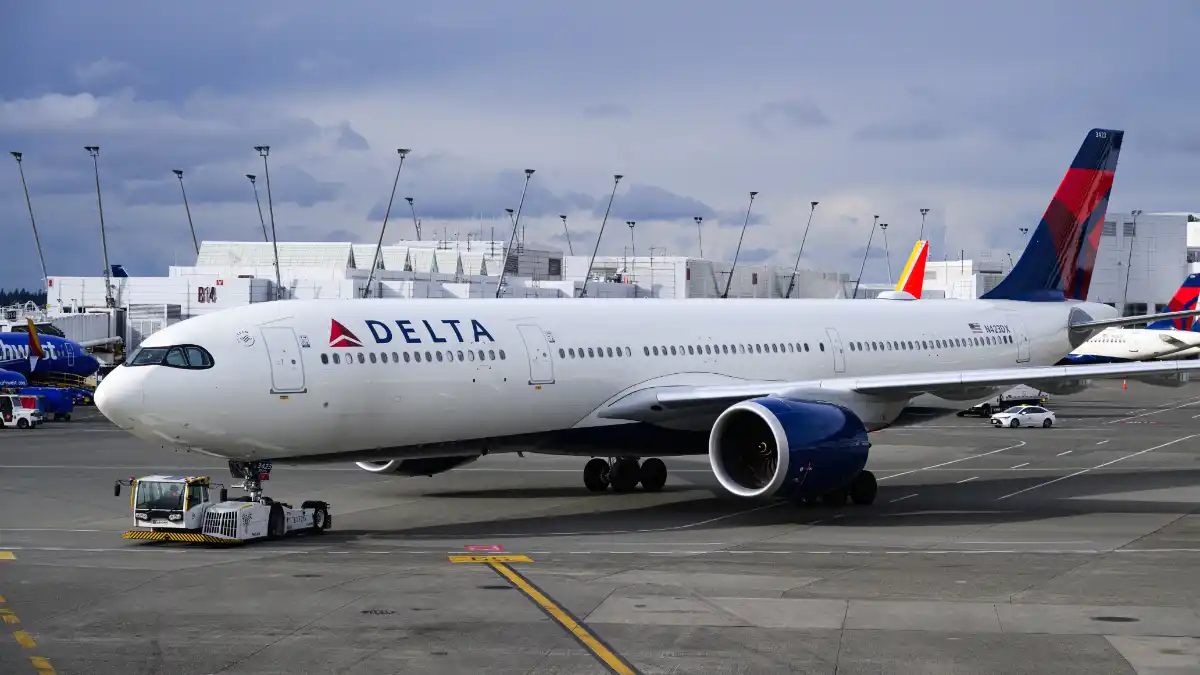
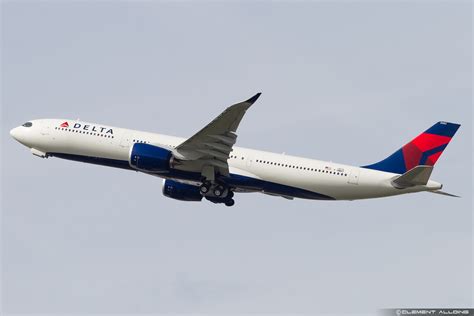
Among all possible candidates, the Airbus A330-900neo stands out as the most pragmatic solution if Delta wants to act sooner rather than later. The aircraft is already deeply integrated into Delta’s fleet, supported by existing pilot training pipelines, maintenance infrastructure, and spare parts inventories. That matters, because fleet commonality translates directly into lower transition costs and faster deployment.
Crucially, the A330-900neo is one of the few widebody aircraft with relatively accessible delivery slots compared to the heavily backlogged A350 and 787 programs. For an airline seeking to “plug the gap” between 2028 and 2031, availability may outweigh almost every other factor.
Growth Versus Replacement: The A350-1000 Factor
Delta’s forthcoming A350-1000s are not simple replacements. They are growth aircraft, purpose-built for ultra-long-haul missions to destinations in Asia, the Middle East, and India—markets where Delta currently has limited or no nonstop presence. Treating those jets as replacements understates their strategic intent. They are capacity expanders, not merely substitutes.
Once that distinction is made, Delta’s long-term math becomes clearer. Dozens of aging widebodies will eventually need to exit the fleet, yet many of the aircraft on order are earmarked for network expansion. That leaves a quiet but meaningful shortfall in the middle of the next decade.
Boeing Options Still Matter, Just Later
Delta’s 787-10 deal includes options, and exercising them feels almost inevitable. The aircraft fits neatly into Delta’s high-capacity international missions and offers compelling economics on dense routes. The challenge is timing. With deliveries starting in 2031, additional 787s solve a future problem, not the one forming at the end of this decade.
That timing mismatch reinforces the logic of a supplementary order—something that can arrive earlier without undermining Delta’s long-term commitment to the Dreamliner program.
A Calculated, Not Reactive, Next Step
Delta is not an airline that reacts impulsively. Every fleet move is layered with negotiations, delivery slot arbitrage, and long-term cost modeling. If another widebody order materializes, it will not signal indecision; it will confirm a deliberate, phased approach to fleet renewal.
Incremental A330-900neo orders, additional A350-1000 options, or a blend of both would give Delta flexibility without locking it into a single manufacturer or delivery window. That optionality has become increasingly valuable in a supply-constrained aerospace market.
Why Another Order Feels More Likely Than Not
Viewed in isolation, Delta’s recent 787-10 announcement looked decisive. Viewed in sequence, it looks incomplete. The airline’s long-haul ambitions, aging fleet profile, and delivery timelines all point toward one conclusion: another widebody order is not a question of if, but when.
Whether that order emerges quietly as exercised options or dramatically as a fresh announcement, it will reflect Delta’s core philosophy—measured growth, operational continuity, and an unwavering focus on long-term competitiveness. In an industry defined by cycles, Delta appears determined to smooth the next one before it ever becomes visible.