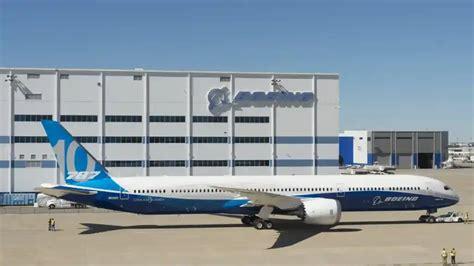
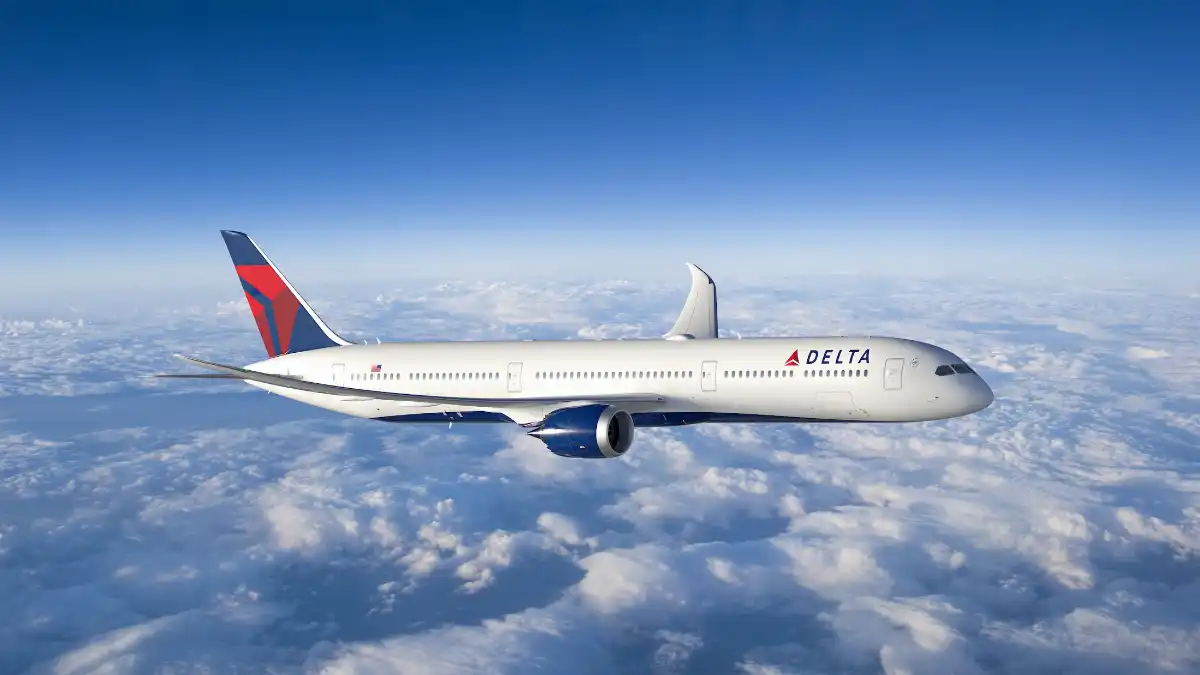
Delta Air Lines has officially confirmed a landmark widebody aircraft order that signals a notable evolution in its long-haul fleet strategy. After years of relying almost exclusively on Airbus for widebody renewal, the Atlanta-based carrier has placed a firm order for 30 Boeing 787-10 Dreamliners, with options for an additional 30 aircraft. The move marks a strategic rebalancing rather than a philosophical shift, reflecting Delta’s focus on efficiency, scale, and long-term network resilience as it prepares for the next decade of international growth.
The announcement arrives after months of industry speculation, during which analysts questioned whether Delta would remain loyal to its Airbus-centric approach or diversify its future fleet. By selecting the largest variant of the Dreamliner family, Delta is clearly prioritizing per-seat economics, modern systems, and capacity growth over sheer range. Deliveries will begin in 2031, underscoring how deliberately the airline is planning its long-term replacement cycle rather than responding to short-term capacity pressures.
This order also reinforces Delta’s reputation for cautious, data-driven fleet planning. Instead of rushing to replace aging aircraft, the airline is aligning new deliveries with the gradual retirement of older widebodies, ensuring operational stability while upgrading passenger experience and fuel efficiency. The 787-10, with its stretched fuselage and advanced composite structure, fits neatly into this philosophy.
A Strategic Shift in Delta’s Widebody Fleet Planning
Delta’s widebody renewal over the past decade has been defined by Airbus. The Airbus A350 has become the airline’s flagship long-haul aircraft, dominating ultra-long-haul and transpacific routes with its range and premium cabin potential. Alongside it, the Airbus A330-900neo has served as the backbone of Delta’s transatlantic network, offering modern efficiency while replacing earlier-generation A330s.
The Boeing 787-10 introduces a third pillar into this strategy. While it lacks the extreme range of smaller Dreamliner variants, its economics shine on dense long-haul routes where capacity matters more than distance. Delta has indicated that these aircraft will primarily operate flights across the Atlantic and into South America, markets where demand is strong and stage lengths align perfectly with the aircraft’s performance envelope.
From a network perspective, the 787-10 allows Delta to upgauge routes that have outgrown older aircraft without jumping to much larger platforms like the A350-1000. This flexibility is particularly valuable in Europe, where slot constraints reward airlines that can carry more passengers per movement.
Replacing Aging Aircraft With Next-Generation Efficiency
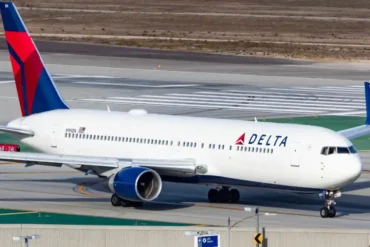
A central driver behind the order is Delta’s aging widebody fleet. The airline still operates a significant number of Boeing 767-300ERs and 767-400ERs, along with earlier Airbus A330 variants. While Delta is known for extracting exceptional value from older aircraft, the economics of fuel burn, maintenance, and reliability increasingly favor replacement.
The 787-10 offers double-digit fuel efficiency improvements compared with the aircraft it will eventually replace. Its advanced engines, lighter materials, and optimized aerodynamics translate directly into lower operating costs and reduced emissions. For Delta, this supports both profitability and sustainability goals without sacrificing capacity or comfort.
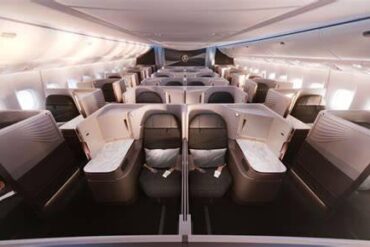
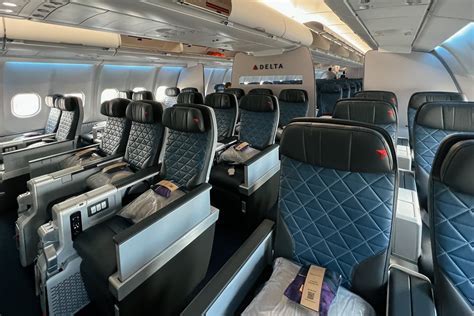
Cabin flexibility is another advantage. The Dreamliner’s wide interior and high humidity environment support Delta’s premium product strategy, including Delta One suites and upgraded premium economy offerings. As international competition intensifies, cabin experience has become just as critical as network reach.
Why the 787-10 Fits Delta’s Network Better Than Expected
At first glance, the 787-10 might seem an unusual choice for an airline that values range flexibility. In reality, its limitations are largely irrelevant to Delta’s core long-haul markets. The aircraft comfortably covers all of Delta’s European destinations and deep South American routes while carrying significantly more passengers than the 767s it replaces.
This capacity increase is not trivial. Delta’s future “smallest” long-haul aircraft will likely seat well over 280 passengers, a dramatic jump from the roughly 215 seats found on a 767-300ER. While this creates challenges in thinner markets, it also reflects Delta’s confidence in sustained international demand from major hubs.
Unlike competitors that rely heavily on a single widebody family, Delta is embracing fleet diversification. Operating the A330neo, A350, and 787-10 provides flexibility against supply chain disruptions, manufacturer delays, and shifting market conditions.
Long-Term Implications for Delta and the Industry
The delayed delivery timeline, stretching to 2031 and beyond, confirms that Delta’s existing widebodies will remain in service longer than many passengers might expect. This is consistent with the airline’s historical approach and signals confidence in its maintenance and engineering capabilities.
Industry-wide, the order reinforces the 787-10’s position as a high-density, long-haul workhorse rather than a niche variant. It may also influence other legacy carriers evaluating replacements for aging widebodies, particularly those seeking efficiency without extreme range.
Ultimately, Delta’s Boeing 787-10 order is less about breaking with Airbus and more about optimizing the future fleet. By carefully matching aircraft capabilities to network needs, Delta is positioning itself for a decade defined by smarter growth, improved economics, and a consistently modern passenger experience.