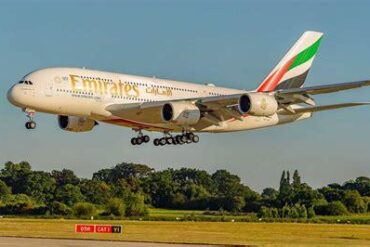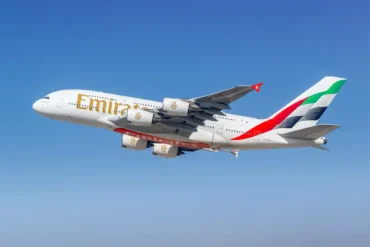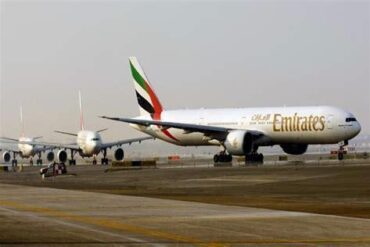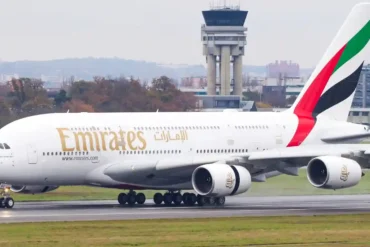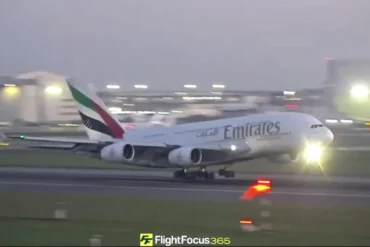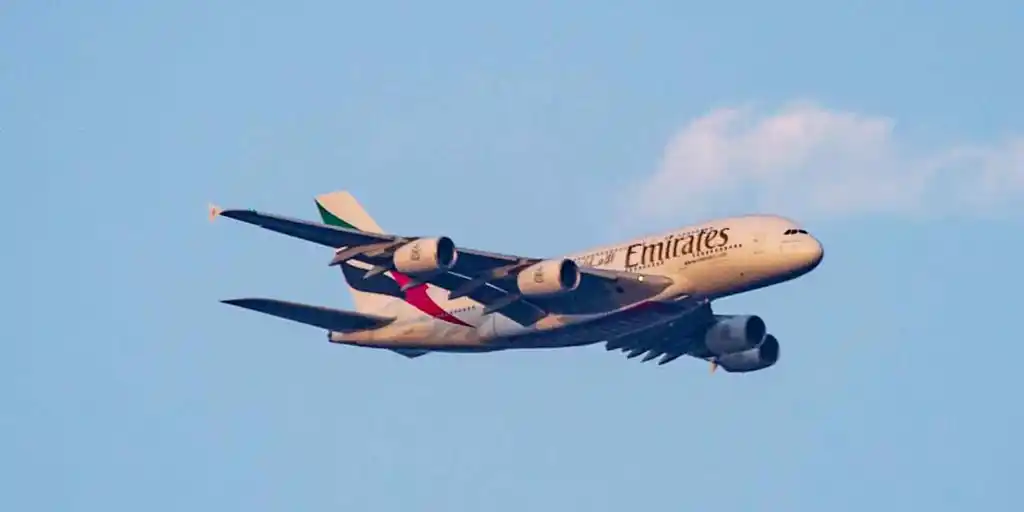
Emirates is gradually restoring Airbus A380 operations across its international network, bringing the iconic double-decker aircraft back to 11 major routes between late June and early August. The move follows a period of operational adjustments driven by regional airspace disruptions linked to the conflict involving Iran, as well as the airline’s ongoing fleet reconfiguration program that is converting several high-density two-class A380s into more premium-focused three-class aircraft.
The latest schedule reveals that passengers traveling through Dubai International Airport (DXB) will once again see the world’s largest passenger aircraft operating on a growing number of European, Australian, Asian, and North American services. While some return dates have already been postponed in recent weeks, Emirates now appears set to restore A380 capacity across several strategically important markets.
For aviation enthusiasts and frequent travelers alike, the return of these aircraft represents a significant boost in available capacity and premium cabin inventory during the busy summer travel season.
After months of uncertainty, six destinations are expected to regain Airbus A380 service between June 26 and July 1. These routes form the first phase of Emirates’ latest restoration plan and primarily focus on high-demand European gateways.
The earliest return is scheduled for Düsseldorf, where daily A380 operations are set to resume on June 26. The German city remains one of Emirates’ strongest markets in continental Europe and will eventually see capacity growth with a second daily A380 service planned for later in the year.
On July 1, Emirates is scheduled to restore A380 operations to Copenhagen, Frankfurt, London Gatwick, Manchester, and Munich. These routes have traditionally performed well within the carrier’s European network and provide important connectivity through Dubai to destinations across Asia, Australia, and Africa.
The restored services highlight the airline’s confidence in sustained passenger demand despite ongoing operational challenges. Several of these routes will also experience additional frequency increases later in the year, demonstrating Emirates’ long-term commitment to expanding A380 deployment wherever demand supports the aircraft’s substantial capacity.
London Gatwick will initially receive one daily A380 flight before expanding to two daily services from August. By December, the airport is expected to host three daily A380 flights, underlining the importance of the London market within Emirates’ global strategy.
Manchester is also positioned for significant growth. The airport will see daily A380 service throughout July before increasing to three daily flights from August. This development reflects strong demand from northern England and growing passenger flows connecting through Dubai to Australia and Southeast Asia.
Munich, meanwhile, will regain daily A380 operations before transitioning to a larger schedule in August. Frankfurt and Copenhagen will also benefit from the aircraft’s return, helping Emirates accommodate summer travel demand while offering passengers access to its flagship onboard product.
The second phase of the restoration program begins later in the summer and includes five additional destinations spread across three continents.
Perth is expected to welcome the A380 back on July 27. The Western Australian capital had originally been scheduled to regain superjumbo service much earlier, but Emirates delayed the deployment as operational priorities shifted. The route is currently served by Boeing 777-300ER aircraft, making the A380’s return a substantial capacity upgrade.
On August 1, four additional destinations are scheduled to receive daily Airbus A380 operations: Glasgow, Prague, Osaka Kansai, and Washington Dulles.
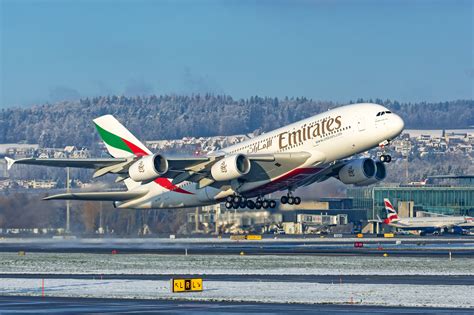
Among these airports, Glasgow represents one of the most interesting success stories within Emirates’ network. The Scottish city has maintained a strong relationship with the Dubai-based carrier for more than two decades.
Emirates first launched Glasgow services in April 2004 using the Airbus A330-200. Over subsequent years, the route saw multiple aircraft types, including the Boeing 777-300ER, Airbus A340-300, and Boeing 777-200LR. A special one-off Airbus A380 visit took place in 2014 to commemorate the airline’s tenth anniversary at the airport, while regular A380 operations eventually began in 2019.
Recent passenger data demonstrates why Glasgow remains strategically important. More than 316,000 passengers traveled on Emirates services to and from the Scottish airport during 2025. Seat occupancy exceeded the airline’s broader network average, indicating healthy demand and strong route performance.
A particularly notable aspect of Glasgow’s success is the volume of connecting traffic. Approximately two-thirds of passengers continued beyond Dubai to other destinations. Popular onward markets included Bangkok, Singapore, Mauritius, Melbourne, Sydney, Perth, Hong Kong, Brisbane, Tokyo, and Phuket.
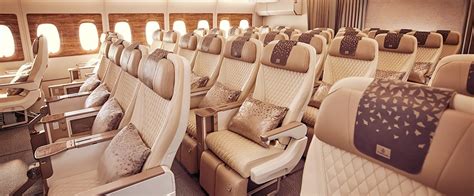
The broader A380 restoration strategy underscores Emirates’ continued reliance on the superjumbo despite the gradual modernization of its fleet. While many global carriers have retired or reduced their A380 operations, Emirates remains the aircraft’s largest operator and continues to view it as a cornerstone of its long-haul business model.
As fleet refurbishment programs progress and regional operational conditions stabilize, the return of A380 services across these 11 routes signals renewed confidence in international travel demand. For passengers, it means greater seat availability, expanded premium cabin options, and the return of one of commercial aviation’s most recognizable aircraft to several major global gateways.
With additional frequency increases already scheduled beyond August, Emirates’ summer 2026 network restoration may represent only the beginning of a broader expansion in Airbus A380 deployment across its worldwide route system.