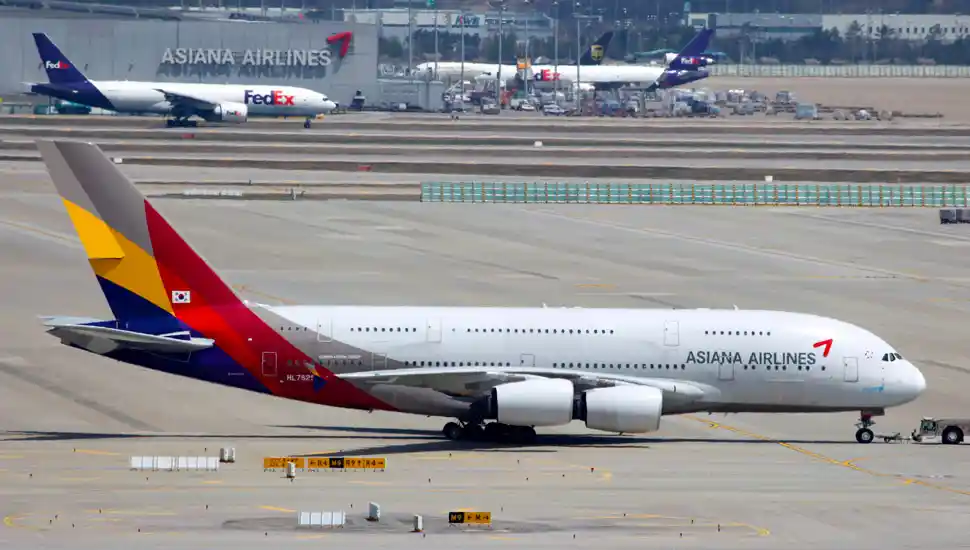
New York’s John F. Kennedy International Airport has quietly crossed another symbolic threshold in global aviation. With Asiana Airlines officially confirming the Airbus A380’s return to JFK in 2026, the airport will once again host three superjumbo operators simultaneously, reinforcing its status as the United States’ most important long-haul international gateway.
This confirmation emerged through the latest round of airline schedule and equipment updates submitted to industry databases such as Cirium Diio and OAG. While Asiana’s use of the A380 on the Seoul–New York route is not unprecedented, the key development is that the aircraft had not been slated for 2026 until now. That single change reshapes JFK’s widebody outlook for the next northern aviation summer.
JFK currently ranks as the sixth-busiest airport in the United States by passenger traffic, yet it consistently punches above its weight in terms of premium long-haul connectivity. The A380’s continued relevance here speaks less to nostalgia and more to hard capacity math on one of the world’s most competitive intercontinental corridors.
Asiana Airlines Brings the Superjumbo Back to New York
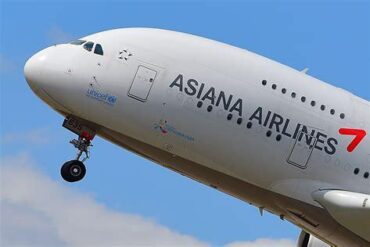
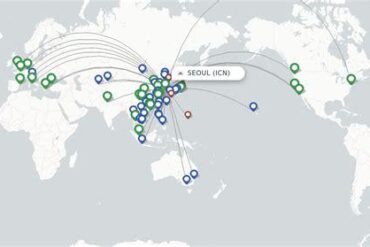
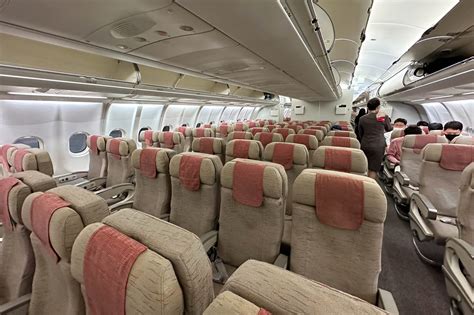
Asiana Airlines will deploy its 495-seat Airbus A380 on flights between Seoul Incheon and New York JFK from March 29 through October 24, 2026, aligning neatly with the IATA northern summer season. The schedule was first flagged by Aeroroutes, a reliable tracker of global fleet deployments, and later confirmed through updated planning data.
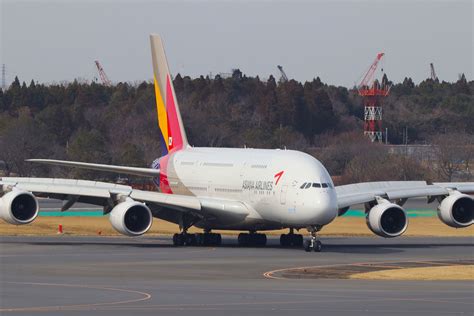
This marks a significant extension compared with Asiana’s limited A380 operation to JFK in 2025. In 2026, the airline plans 210 A380 departures on the route, up sharply from just 91 flights the previous year, representing a 131% increase. Operationally, this restores the superjumbo to a frequency last seen in 2019, before the pandemic reshaped long-haul demand and fleet strategies.
Asiana has long been known for late-stage schedule adjustments, particularly involving its A380 fleet, which remains relatively small and highly strategic. The expanded JFK deployment suggests the airline was satisfied with the aircraft’s performance in 2025, both in terms of load factors and revenue mix, especially in premium cabins where the A380 excels.
A Strategic Capacity Play on the Transpacific Market
The extended A380 season also reflects the realities of transpacific capacity planning. Slot-constrained airports, strong premium demand, and limited availability of next-generation widebodies all favor fewer flights with larger aircraft. For Asiana, the A380 allows significant capacity growth without adding frequencies, a critical advantage at congested hubs like JFK.
At the same time, the move hints at limited alternative routes capable of efficiently absorbing such a large aircraft. Not every airport can consistently fill nearly 500 seats per departure. New York, with its blend of business travel, leisure demand, and global connectivity, remains one of the few markets where the A380 still makes commercial sense.
Operational data shows that some A380 rotations previously flown by the A350-900 will switch to the superjumbo, creating a mixed-fleet schedule that balances flexibility with peak-season demand.
JFK Will Host Three Airbus A380 Airlines in 2026
With Asiana’s confirmation, New York JFK will see Airbus A380 operations from Emirates, Korean Air, and Asiana Airlines in 2026. According to Cirium data, these carriers collectively plan 1,602 A380 departures from JFK across the year, a figure that is 15% lower year-over-year, but far stronger than earlier projections suggested.
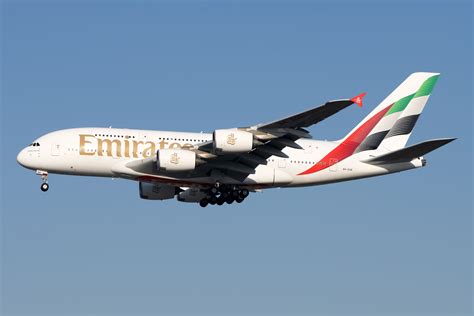
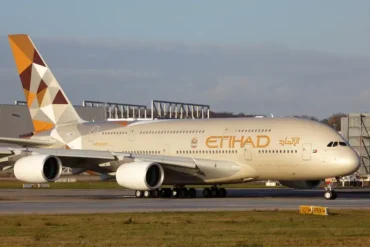
The overall decline is largely explained by the exit of two former A380 operators. Etihad Airways replaced its A380 with the smaller A350-1000 in mid-2025, while Lufthansa retired the type from JFK in October 2025, substituting it with the A350-900. Both decisions reflect broader fleet simplification strategies rather than weakness in the New York market itself.
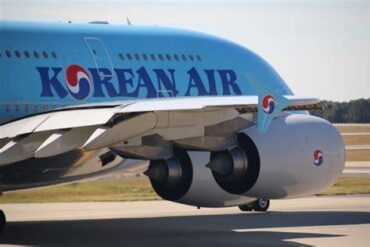
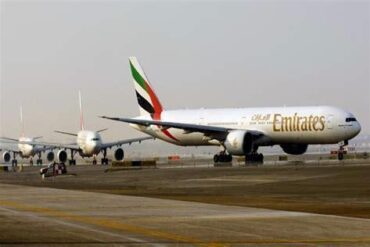
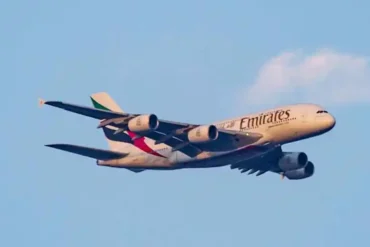
Emirates remains the dominant A380 presence at JFK, accounting for the majority of departures, including one daily flight that operates via Milan Malpensa. Korean Air continues its own Seoul service with the type, ensuring that the South Korean capital maintains a strong superjumbo footprint at the airport.
From Golden Age to a Leaner, More Focused Era
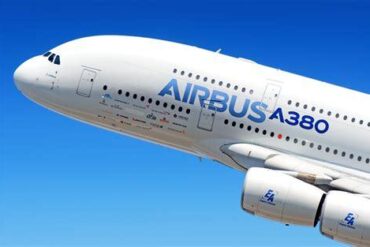
Historically, JFK has been one of the world’s most prominent A380 hubs. Emirates introduced the aircraft there in August 2008, making it not only the airline’s first A380 route to North America but also the continent’s first scheduled double-deck service. Over the years, Emirates alone has operated 43% of all A380 flights at JFK.
The peak came in 2017, when seven airlines flew the A380 to New York, generating up to 13 daily departures. Today’s planned 1,602 departures represent a 60% reduction from that record year, underscoring how dramatically the widebody landscape has shifted.
Yet the A380’s continued presence, now consolidated among fewer carriers, signals a transition rather than a disappearance. At JFK, the superjumbo has evolved from a symbol of excess capacity into a precision tool for high-density, premium-heavy routes, with Asiana’s 2026 return serving as the latest proof that, in the right market, bigger can still be better.