We present a comprehensive analysis of Boeing’s newly-filed patent for a next-generation emissions reduction system, a development that could redefine how airlines plan, monitor, and achieve environmental performance goals. The commercial aviation sector stands at a pivotal moment: demand continues to climb, regulatory scrutiny intensifies, and global climate accountability tightens. With electric aircraft decades from scalability and hydrogen propulsion still in early testing, this system offers something the industry has lacked—a real-time, data-driven method to reduce emissions using the aircraft already flying today.
Boeing’s Patent: A New Approach to Climate-Aligned Flight Operations
In 2023, Boeing secured formal patent recognition for what it describes as a “System and Method for Dynamic Display of Aircraft Emissions Data.” While the language appears technical, its purpose is powerful. Rather than designing a new aircraft or fuel type, Boeing is targeting the decision-making layer that governs how fleets perform. The platform collects emissions data from live operations and visualizes outcomes using an interactive and adjustable interface.
This means an airline could forecast emissions variation when shifting routes, adopting higher percentages of Sustainable Aviation Fuel (SAF), modernizing fleets, or reconfiguring utilization. If a carrier replaces aging Boeing 737-800s with the newer 737 MAX, the system calculates expected emissions differences. If a long-haul operator transitions from 777-200ERs to 777X aircraft, the software models multi-year carbon reduction at scale. Every fleet or fuel decision becomes measurable—not theoretical.
Airlines purchase aircraft based on fuel burn, range capability, maintenance cost, and operational flexibility. Yet historically, emissions forecasting has remained fragmented—spread across spreadsheets, third-party models, and inconsistent reporting frameworks. Boeing’s system consolidates these variables, forming a single emissions-intelligence backbone capable of guiding large-scale fleet transformation.
How Airlines Could Apply Boeing’s Patent-Driven System
Environmental performance has become a core business necessity, not a sustainability pledge for branding. The emissions tracking system benefits carriers with large, mixed-generation fleets, where aircraft efficiency gaps widen across time and routes. Consider the operational structure of American Airlines, operating more than 1,000 aircraft including sizable 737-800, 737 MAX 8, and Boeing 787 fleets. A scenario simulation might include:
- Increasing SAF usage on high-frequency hubs like DFW or CLT
- Retiring older narrowbodies faster than scheduled
- Upsizing the role of the 787-9 on premium transcontinental sectors
- Evaluating how a 737 MAX 10 order accelerates emissions decline timeline
As American integrates 298 aircraft on order, decisions around deployment could be refined by data rather than assumption—mapping projected emissions against network economics in real time.
Similarly, Delta Air Lines, with 986 aircraft and 261 pending, could quantify emissions outcomes of shifting fuel investment strategy between A350-900 long-haul assets or adding next-generation 737 MAX 10s to high-density domestic sectors. Route-by-route modeling gives executives clarity on which levers generate the greatest measurable climate return.
This is where Boeing’s patent matters. Policy makers demand transparency. Investors request carbon disclosure as rigorously as financial performance. Passengers increasingly choose airlines based on environmental credibility. A system that quantifies impacts could become an operational necessity.
How the Patent Supports Boeing’s Larger Climate Roadmap
The system is not an isolated concept. It aligns with Boeing’s broader efforts, including its Cascade Climate Impact Model, which explores pathways to net-zero emissions by 2050. Cascade studies the full lifecycle of aircraft impact—from fuel refinement to end-of-life recycling. The new software becomes the practical interface airlines use day-to-day to implement those strategies, converting sustainability vision into flight-by-flight action.
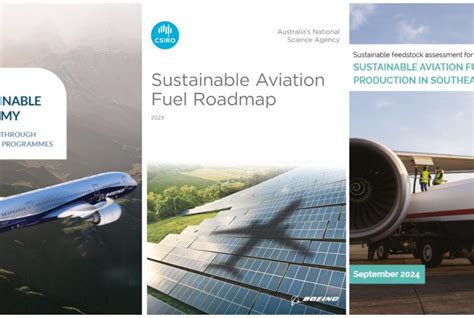
This approach represents a strategic shift in aviation climate solutions. Rather than waiting for electric propulsion or hydrogen fuel cells to scale—which many analysts predict will take 15 to 30 years for global adoption—Boeing equips carriers to cut emissions now. Operational tweaks, smarter fleet assignment, and incremental SAF adoption could cumulatively remove millions of tons of CO₂ long before next-gen propulsion arrives.
The Transparency Advantage: Clear Data, Real Accountability
Global regulators are tightening emissions policy. The EU is expanding ETS requirements. ICAO continues to push the CORSIA framework. Airlines without robust carbon tracking risk financial penalty and reputational decline. Boeing’s model visualizes pathways, allowing stakeholders to understand and verify environmental claims.
The system could standardize emissions reporting across the industry—providing consistency not previously available. Airlines move beyond estimated fuel burn charts and instead demonstrate documented reduction patterns. For shareholders, governments, and eco-conscious travelers, this transparency becomes an invaluable trust-building asset.
Practical Benefits and Limitations of Boeing’s Patent
While Boeing’s new system is promising, it is not a standalone solution. It does not directly reduce emissions; it guides airlines toward strategies that do. Real reduction comes from decisions such as:
- Retiring aging 737-700/800 fleets
- Accelerating purchases of lower-burn models like 737 MAX and 787
- Investing heavily in SAF refineries and global supply chain development
- Optimizing long-haul routes for tailwinds, altitude, and weight reduction
Even the most powerful analytical system relies on accurate data shipment, fuel availability, and realistic efficiency assumptions. Overly optimistic modeling could mislead decision frameworks. The tool also focuses mainly on CO₂ outputs, not contrails, high-altitude nitrogen oxides, or acoustic footprints—areas expected to gain regulatory attention within a decade.
Yet technology rarely transforms industry in one stroke. It evolves. This patent represents the first tectonic shift in emissions-optimized flight planning. The next may integrate weather-triggered contrail avoidance. A later version could embed AI-driven fuel routing or dynamic engine optimization.
What Industry-Wide Adoption Could Look Like
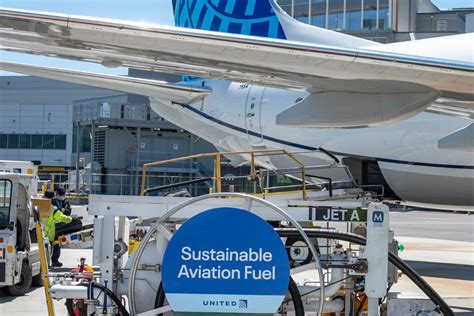
If airlines worldwide adopt Boeing’s system, it could become the reference platform for sustainable fleet architecture. United Airlines, already one of the world leaders in SAF procurement, could use the software to refine net-zero strategies by adjusting aircraft retirement curves, optimizing hub-to-hub performance, or evaluating the emissions break-even point between retrofitted engines and new deliveries.
The result could be an aviation ecosystem where:
- Every aircraft assignment is carbon-quantified before takeoff
- Fleet renewal becomes strategically targeted rather than calendar-based
- SAF purchasing scales aggressively with traceable environmental ROI
- Manufacturers design next-generation aircraft informed by historical emissions behavior
This framework enables an industry capable of growth without proportional environmental expansion. Airlines could expand route networks and capacity while reducing emissions output per passenger carried. Regulatory alignment becomes smoother. Profit and sustainability no longer conflict—they interlock.
A Catalyst for Aviation’s Next Sustainability Era
Critics of aviation sustainability often argue the industry relies too heavily on futuristic aircraft rather than immediate action. Boeing’s new patent counters this tension elegantly. Hydrogen aircraft remain experimental. Battery-powered commercial jets are weight-challenged and performance-limited. SAF production infrastructure is young and geographically constrained.
Yet billions of passengers need transport now. Airlines must operate high-demand markets today—not ten years from now. Boeing’s system empowers aviation to decarbonize intelligently in the present tense while still investing in the propulsion breakthroughs required for long-term climate neutrality.
If adopted widely, it establishes Boeing not just as an aircraft manufacturer, but as a climate-strategy architect—one capable of reshaping how global fleets think, quantify, and evolve toward a net-zero future.
Aviation will always require fuel, lift, drag management, altitude strategy, and global scalability. But emissions do not need to rise in proportion. Boeing’s emissions reduction patent signals a decisive new chapter—one where airlines measure sustainability not in promises, but in data-verified outcomes delivered flight by flight, fleet by fleet, year by year.
The industry stands at the threshold of a transformation led not by fantasy aircraft, but by strategic intelligence and accountable planning. We expect Boeing’s system to influence procurement decisions, regulatory negotiations, and tech investment for decades. This patent may become one of the most consequential aviation sustainability tools ever deployed—not because it replaces engines or fuel, but because it empowers the world to use them better.
Aviation’s future will not be built on a single innovation. It will be built on thousands of measurable decisions, and Boeing just gave the industry the map to make them.