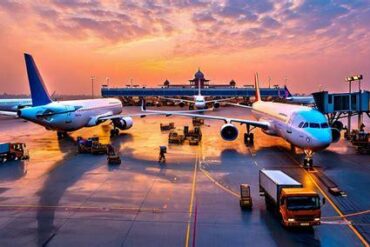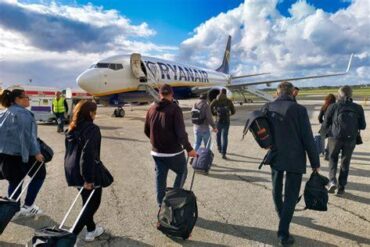
A groundbreaking study released on January 7, 2026, led by researchers from the University of Oxford, has ignited a new wave of scrutiny surrounding luxury and high-end aviation. The report, which analyzed tens of millions of flights worldwide, concludes that aviation emissions could be halved using existing aircraft and technologies—without reducing the overall number of flights. But perhaps its most incendiary finding is the vast disparity in emissions contribution, with just 1% of the global population responsible for 50% of aviation-related CO₂. This has thrust premium flyers—especially those in private jets and first-class cabins—into the spotlight of growing climate accountability debates.
Aviation Emissions Can Be Cut Without Grounding Flights
The report’s central assertion is both pragmatic and urgent: we don’t need to fly less, but we must fly smarter. Researchers found that by implementing relatively simple changes—prioritizing fuel-efficient aircraft, maximizing passenger loads, and reducing low-density premium cabin space—aviation-related carbon emissions could be cut by up to 75%.
These operational shifts would involve reallocating aircraft based on their fuel performance, adjusting cabin layouts to increase seating density, and optimizing load factors across networks. Perhaps most significantly, these efficiency gains do not require new technology—they rely solely on available infrastructure and smarter deployment strategies.
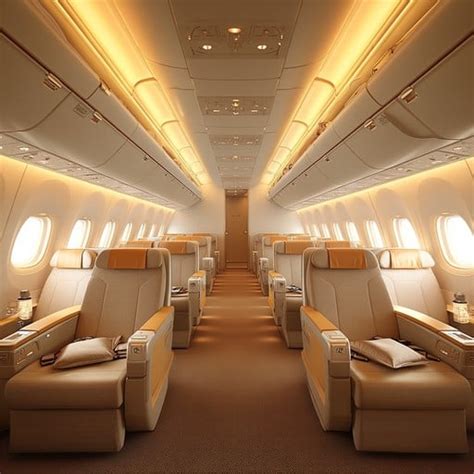
This strategy offers a stark contrast to the traditional narratives that depend heavily on speculative technologies like hydrogen propulsion or electric aircraft, which remain years from commercial viability. According to the study’s co-author, Professor Stefan Gössling, the world faces a stark reality: “We are currently stuck with a global situation where there is no hope that aviation will reduce its emissions,” unless immediate operational reforms are implemented.
High-End Flyers: A Small Group with a Massive Impact
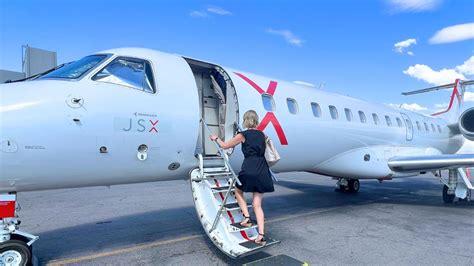
The data doesn’t just reveal inefficiencies—it exposes inequities. The analysis shows that a tiny, affluent minority of frequent flyers disproportionately drives aviation’s climate footprint. In particular, premium travelers and private jet users—often business executives, celebrities, and the ultra-wealthy—consume dramatically more carbon per passenger than economy class travelers.
Premium seating reduces the number of passengers per aircraft, thereby magnifying emissions per individual. In extreme cases, routes can vary by a factor of 30 in emissions intensity depending on aircraft type, cabin layout, and occupancy. North America and Oceania emerge as the least efficient markets, further emphasizing regional disparities in aviation emissions.
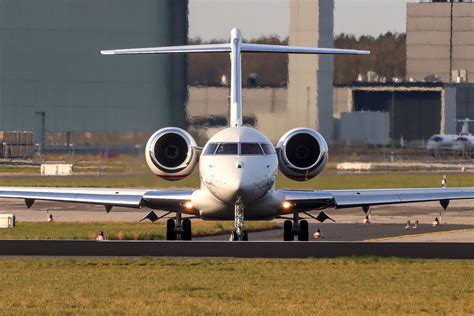
These revelations are adding fuel to the push for more equitable climate policies. If aviation is to meet global climate goals, experts argue, it must reckon with who is flying and how frequently—not just how aircraft are powered.
Luxury Travel Under Growing Regulatory Spotlight
With emissions inequality laid bare, calls for policy action are intensifying. Regulatory proposals gaining traction include:
- Frequent flyer levies, aimed at discouraging excessive air travel by the most active flyers.
- Emissions-linked airport charges, which would penalize carriers operating low-efficiency or premium-heavy aircraft.
- Mandatory emissions reporting, especially for private jets and premium class segments.
- Incentives for high-density seating, particularly on short- and medium-haul routes.
These measures are designed not to punish travel itself, but to shift the economics of flying toward greater sustainability and accountability. By making it costlier to fly inefficiently, regulators hope to nudge industry behavior without restricting occasional or essential travel.
While the Oxford study does not explicitly call for banning premium cabins, it highlights their disproportionate impact and their centrality to future decarbonization efforts. The luxury segment of aviation can no longer be exempt from the conversation about climate responsibility.
Industry Faces Mounting Pressure Amid Technological Lag
Aviation’s long-term climate strategy has traditionally focused on breakthrough innovations—sustainable aviation fuels (SAFs), hydrogen-powered aircraft, and electric propulsion systems. However, these solutions remain nascent, accounting for only a tiny fraction of global fuel consumption.
Meanwhile, private jet activity is on the rise, and global air traffic has now exceeded pre-pandemic levels. This trend has alarmed climate advocates, who warn that without decisive policy interventions, emissions will continue to surge.
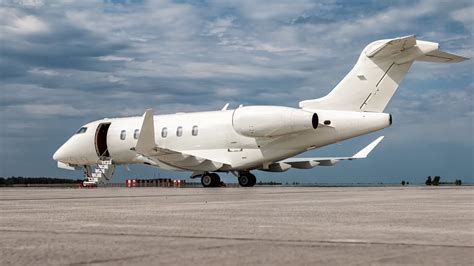
The Oxford study brings a sense of realism to the climate agenda by showing that substantial gains can be achieved today, without waiting for futuristic technologies. It calls for governments and regulators to leverage the tools already at hand, such as fleet optimization and pricing reform.
Contrails, Coordination, and The Complexity of Non-CO₂ Impacts
Another overlooked but critical dimension of aviation’s environmental toll lies in non-CO₂ effects, including contrail-induced warming. Contrails—ice clouds formed by aircraft at high altitudes—can trap heat and significantly amplify aviation’s climate impact.
Some studies suggest that adjusting flight altitudes or rerouting traffic could reduce these effects with minimal fuel tradeoffs. However, implementing such changes would require close coordination between airlines, air traffic controllers, and regulatory agencies, adding a layer of logistical complexity.
Still, these adjustments—like operational efficiencies—represent low-hanging fruit compared to the technological overhauls aviation often fixates on. As the climate clock ticks, embracing such near-term options becomes not just pragmatic, but imperative.
Will Regulation Catch Up With Emissions Reality?
The Oxford study has punctured the myth that aviation emissions can only be addressed through long-term innovation. Its findings make a clear case: the tools for substantial emissions cuts already exist, and their most immediate application lies in targeting high-impact flyers.
Whether these insights will catalyze policy change remains to be seen. Governments have been historically reluctant to tax or restrict elite travel. But with climate pressures intensifying—and the optics of private jets increasingly at odds with public sentiment—the ground may be shifting.
The next phase of aviation decarbonization will not only hinge on technology and infrastructure, but also on political will and public tolerance for confronting emissions inequality. The era of indulgent, unaccountable luxury flight may soon find itself on a collision course with the planet’s carbon budget.