The global aviation industry is navigating a fragile recovery while simultaneously confronting a structural problem that refuses to fade: a persistent and widening pilot shortage. At the heart of this issue lies a delicate training ecosystem—one that increasingly depends on international talent flowing into the United States. Any disruption to this system, particularly through tightened visa policies, risks sending shockwaves far beyond American borders, threatening airline growth, route expansion, and operational stability worldwide.
The United States has long served as a global hub for pilot training, attracting aspiring aviators due to its advanced infrastructure, favorable weather conditions, and a dense network of flight schools. This ecosystem has quietly become a cornerstone of the international pilot pipeline. Foreign trainees often complete their certifications in the U.S. before returning to serve airlines in Asia, the Middle East, and Europe—regions where demand for pilots is accelerating at a pace that domestic training programs alone cannot match.
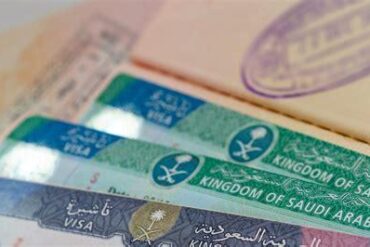
However, rising scrutiny surrounding visa programs—particularly the H-1B category—has introduced a layer of uncertainty that could destabilize this pipeline. While H-1B visas are primarily intended for specialized professionals, they have also enabled individuals to pursue flight training alongside their employment. This pathway, though relatively niche, contributes meaningfully to the broader supply of trained pilots entering the global workforce.
By tightening access or creating ambiguity around such visa pathways, the U.S. risks inadvertently choking off a critical supply channel—one that feeds not just its own aviation industry, but the world’s.

Visa Policy Uncertainty and Its Ripple Effect on Pilot Training
The real threat is not necessarily immediate policy change, but the uncertainty surrounding it. Aviation training is a long-term commitment, often requiring years of financial investment and personal sacrifice. When prospective students perceive instability—whether through political rhetoric or regulatory ambiguity—they are more likely to delay or abandon their plans altogether.
This hesitation has cascading consequences. Flight schools depend heavily on consistent enrollment to maintain operations, invest in aircraft fleets, and retain instructors. A drop in international students doesn’t just affect revenue; it reduces training capacity, limiting the number of new pilots entering the system each year.
Moreover, the psychological impact of public discourse cannot be underestimated. When narratives frame foreign trainees as potential risks rather than contributors to a safety-driven industry, it erodes confidence and deters talent. Aviation, by design, enforces rigorous certification standards that leave no room for compromise. Suggesting otherwise risks undermining the credibility of an industry built on precision and accountability.
The Scale of the Pilot Shortage: Numbers That Demand Attention
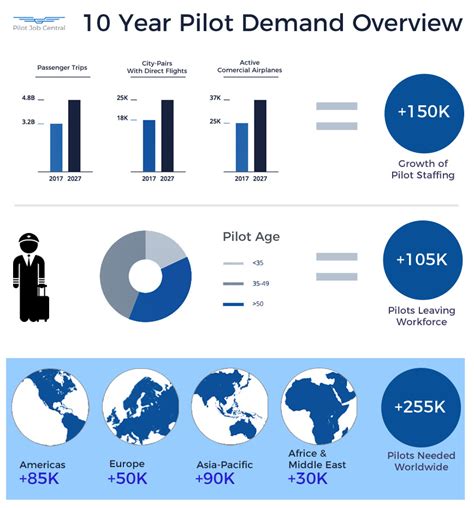
The magnitude of the pilot shortage is not speculative—it is quantifiable and deeply concerning. According to data from Epic Flight Academy, the United States alone will require approximately 120,000 new pilots over the next two decades. That translates to roughly 6,000 pilots annually, or about 16 new pilots every single day just to meet baseline demand.
Globally, the situation is even more intense. CAE projects that the aviation sector will need 300,000 new pilots within the next decade. Of these, more than half are required simply to replace retiring personnel, while the rest will support expanding airline operations.
Meanwhile, consulting firm Oliver Wyman estimates a global shortfall of 80,000 pilots by 2032—a gap that could severely constrain airline capacity, inflate ticket prices, and limit connectivity in emerging markets.
Why the U.S. Training Ecosystem Matters Globally
The United States is not just another contributor to pilot training—it is arguably the backbone of the global aviation talent pipeline. Its flight schools produce a significant portion of internationally certified pilots, many of whom go on to serve airlines outside the country.
This dynamic creates a unique dependency. Countries experiencing rapid aviation growth—particularly in Asia-Pacific and the Middle East—often rely on U.S.-trained pilots to fill immediate staffing gaps. Building domestic training capacity takes years, if not decades, making the U.S. system an indispensable short-term solution.
If visa restrictions limit access to this ecosystem, the consequences will not remain confined within U.S. borders. Airlines worldwide may struggle to recruit qualified pilots, leading to reduced flight frequencies, delayed route expansions, and increased operational strain.
Retirement Pressures and the Aging Pilot Workforce
Compounding the issue is the mandatory retirement age for pilots, currently set at 65 in the United States. Each year, approximately 2,500 pilots exit the workforce due to this regulation. While discussions around raising the retirement age to 67 have gained traction, such measures offer only temporary relief.
Extending careers by two years may slow the outflow, but it does not address the fundamental imbalance between pilot supply and demand. Without a robust influx of newly trained pilots, the industry risks entering a prolonged period of scarcity.
The Strategic Risk of Policy-Driven Disruption
At its core, the issue is strategic rather than administrative. Visa policies are often shaped by broader political and economic considerations, but their unintended consequences can ripple through highly specialized industries like aviation.
Restricting access to training pathways may seem like a domestic policy decision, yet it effectively reshapes the global labor market for pilots. Airlines do not operate in isolation; they are part of an interconnected system where talent mobility is essential for maintaining equilibrium.
If the United States becomes less accessible, aspiring pilots will seek alternatives in countries with more open policies. Over time, this could lead to a redistribution of training hubs, weakening the U.S.’s position as a leader in aviation education while failing to solve the underlying shortage.
A Fragile Pipeline at a Critical Moment
The aviation industry stands at a pivotal moment. Demand for air travel is rebounding, aircraft orders are surging, and new routes are being planned. Yet, without a steady supply of pilots, this growth risks stalling before it fully materializes.
Visa restrictions—whether implemented or merely anticipated—introduce friction into a system that depends on predictability, accessibility, and long-term planning. Even minor disruptions can have outsized effects, delaying training timelines and shrinking the pool of future pilots.
The stakes are clear. Maintaining an open, stable pathway for international trainees is not just beneficial—it is essential. The alternative is a constrained aviation sector struggling to keep pace with global demand, where the shortage of pilots becomes not just an operational challenge, but a defining limitation of the industry’s future.