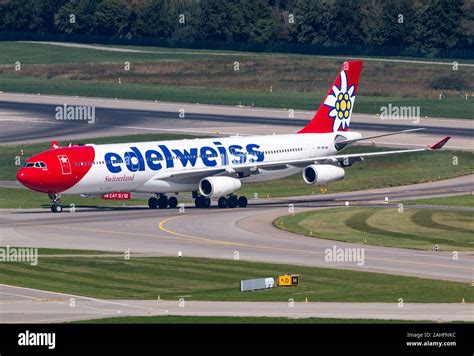
The European long-haul leisure market has entered another period of rapid adjustment, and Edelweiss Air’s sudden withdrawal from two prominent US routes marks a clear turning point in its North American strategy. The Swiss airline has confirmed that flights to Denver International Airport and Seattle-Tacoma International Airport will no longer operate in its summer 2026 schedule, a move that signals shifting demand patterns, rising operational costs, and growing geopolitical uncertainty across global aviation.
The decision represents a notable reversal for the Zurich-based carrier, particularly because both destinations were recently positioned as key pillars of Edelweiss’ North American expansion strategy. Only months earlier, the airline had promoted Seattle’s return and reaffirmed Denver’s position within its transatlantic network. Now, both routes have been removed or reshaped, illustrating how quickly airline planning can change when economic realities intervene.
For travelers, aviation analysts, and competing carriers alike, the sudden shift provides a revealing glimpse into the pressures currently shaping long-haul airline networks between Europe and the United States.
Edelweiss Abruptly Cuts Two Key US Routes
In a statement released on April 16, Edelweiss confirmed it would remove Seattle entirely from its network and discontinue operating the Zurich–Denver route under its own brand. The airline attributed the changes to a combination of external factors that have increasingly complicated long-haul operations.
Among the most significant pressures are:
- Geopolitical instability, particularly related to tensions affecting the Middle East
- Rapidly rising jet fuel prices
- Declining demand on selected US leisure routes
These challenges have forced airlines across Europe to rethink expansion plans, but Edelweiss’ announcement stood out for its clarity and speed. The airline moved swiftly to revise its schedule despite having publicly promoted these routes earlier in the year.
The result is a substantial reshaping of Edelweiss’ North American footprint. Instead of a broader US presence, the carrier will now focus on a smaller portfolio of transatlantic destinations, with Canada becoming an increasingly central part of its summer strategy.
A Fleet Transformation That Coincided With Expansion
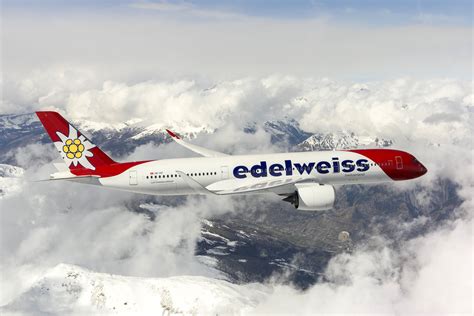
The cuts arrive during a period that had otherwise been defined by growth and modernization for Edelweiss. Over the past year, the airline has undergone a significant fleet transition, introducing the Airbus A350-900 as the centerpiece of its long-haul operations.
The arrival of the first A350 last spring marked the beginning of a gradual shift away from older aircraft types. Edelweiss now operates four A350-900s, with two more expected to join the fleet in the near future. The aircraft offer improved fuel efficiency, longer range, and modern passenger cabins—key advantages in the competitive transatlantic leisure market.
At the same time, the airline expanded its global network. New international destinations were announced across Europe and beyond, including:
- Glasgow in Scotland
- Kefalonia in Greece
- Windhoek in Namibia
These additions suggested a confident airline investing in long-haul tourism demand. Yet international market conditions shifted quickly, forcing management to reassess where those new aircraft would be deployed.
The New Shape of Edelweiss’ North American Network
With Denver and Seattle removed, Edelweiss’ summer 2026 North American schedule will shrink to five routes, three of which are located in Canada. This shift highlights the airline’s increasing focus on markets where demand has proven more stable.
The updated network from Zurich Airport (ZRH) now includes:
- Calgary – Seasonal service up to three times weekly using the Airbus A350-900
- Halifax – Twice-weekly seasonal flights operated by the A350-900
- Vancouver – Daily flights beginning June 13 using the A350-900
- Las Vegas – Reduced frequencies of two to three weekly flights
- Tampa – Up to five weekly flights, maintaining year-round service
This revised schedule results in a 28% reduction in Edelweiss’ total seat capacity to the United States, a dramatic shift compared with the airline’s earlier expansion narrative.
Fuel Prices and Geopolitics Are Reshaping Airline Decisions
One of the most influential factors behind the cuts is the volatile global fuel market. Aviation analysts note that jet fuel prices have become increasingly unpredictable due to geopolitical tensions, particularly those affecting supply routes connected to the Middle East.
Recent reports from international media outlets warn that Europe’s jet fuel reserves could fall to critically low levels if disruptions continue, placing enormous pressure on airlines operating long-haul networks.
For airlines like Edelweiss, fuel costs represent one of the largest operational expenses. Even small price increases can dramatically affect profitability on long-distance routes, especially when combined with fluctuating passenger demand.
The airline’s statement makes it clear that these external pressures played a direct role in the network rollback. Cutting routes with weaker demand becomes a logical response when operating costs rise and uncertainty spreads across global aviation markets.
Denver’s Route Survives — But Under SWISS
Although Edelweiss will no longer operate flights to Denver itself, the route is not disappearing entirely from Zurich’s network. Instead, it is being transferred to SWISS International Air Lines, another member of the Lufthansa Group.
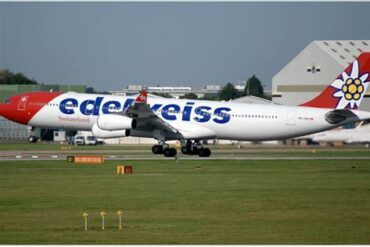
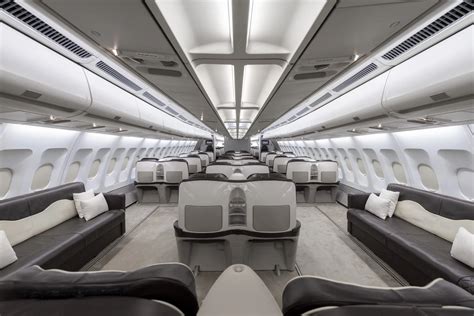
Under the revised plan, SWISS will operate seasonal Zurich–Denver flights between late May and August 21, using the Airbus A340-300.
This aircraft configuration differs significantly from Edelweiss’ version. While Edelweiss uses a 314-seat high-density cabin optimized for leisure travel, SWISS deploys a premium-focused layout with:
- 8 First Class suites
- 42 Business Class seats
- 21 Premium Economy seats
- Standard Economy seating
The shift reflects a broader strategic logic. Denver is a major hub for United Airlines, a fellow Star Alliance partner, making it easier to feed connecting passengers into the route.
However, the seasonal nature of the service raises questions about its long-term future. Load factors on Edelweiss’ Denver flights reportedly fell by nearly ten percentage points in 2025, leaving many seats empty during the peak summer season. At times, aircraft flew more than one-third empty, a clear sign that demand was weakening.
Whether SWISS maintains the route beyond 2026 may ultimately depend on whether business and connecting traffic can offset those declines.
Seattle Becomes the Clear Casualty
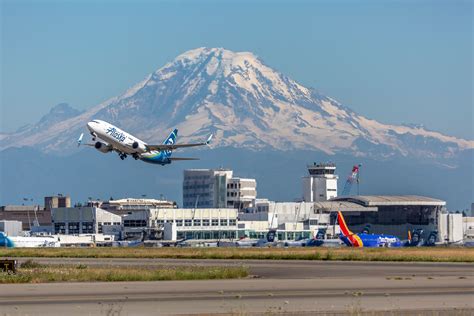
While Denver receives a partial lifeline, Seattle’s fate is far more definitive. The route has been removed entirely, with no indication that another Lufthansa Group airline will take over the service.
Edelweiss originally introduced the Zurich–Seattle route in 2025, positioning it as one of two major North American additions alongside Halifax. The flights operated twice weekly with the Airbus A340-300 and initially delivered respectable results.
Average load factors reached approximately 77% during the inaugural season, a figure that was actually slightly above Edelweiss’ typical performance on leisure-focused routes.
Encouraged by those results, the airline planned to upgrade the route for summer 2026. The schedule called for Airbus A350-900 service starting May 30, with a third weekly flight beginning June 25.
But aviation networks often operate under a simple rule: the newest routes are the easiest to remove when conditions deteriorate. Seattle had less historical traffic data, fewer established partnerships, and lower strategic importance compared with other destinations.
As a result, the city became the classic example of “last in, first out” network restructuring.
What Happens to Passengers With Bookings?
For travelers already holding tickets on the affected routes, Edelweiss has begun initiating a rebooking process. The airline confirmed that customers will be contacted either directly or through their booking agents to arrange alternative travel options.
Passengers typically have two primary choices:
- Rebooking on alternative flights, usually via Lufthansa Group hubs such as Frankfurt or Munich
- Requesting a full ticket refund
For Seattle passengers in particular, the changes mean that nonstop flights between Zurich and Seattle will disappear entirely, forcing travelers to connect through other European gateways.
While the adjustment adds travel time and inconvenience, it also illustrates how integrated airline alliances have become. Even when routes disappear, global networks allow passengers to reach the same destination through connecting hubs.
A Sign of Broader Industry Realignment
Edelweiss’ route cuts reflect a larger pattern unfolding across the aviation industry. Airlines worldwide are rebalancing their long-haul networks to adapt to volatile fuel costs, shifting tourism flows, and geopolitical uncertainty.
Routes once considered promising can quickly become unsustainable when economic conditions change. Conversely, destinations with stable demand—such as Canada’s major tourism markets—often become safe anchors within a volatile network.
For Edelweiss, the revised schedule suggests a strategy focused on efficiency, reliability, and targeted leisure markets rather than rapid expansion.
The airline still operates modern long-haul aircraft, maintains strong partnerships within the Lufthansa Group, and continues serving multiple transatlantic destinations. Yet the disappearance of Denver and Seattle from its own route map underscores a fundamental truth of aviation: airline networks are constantly evolving, and even promising routes can vanish almost overnight when global conditions shift.