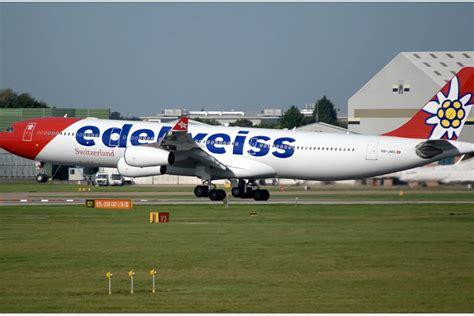
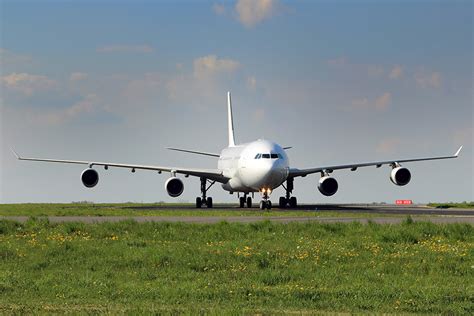
On July 3, history will be made at Halifax Stanfield International Airport (YHZ) as the airport becomes a regular host to the Airbus A340, marking a significant milestone for Canada’s eighth-busiest airport. This development follows the launch of Edelweiss Air’s new transatlantic service between Zurich and Halifax—an event that elevates the city’s international aviation profile and connects Nova Scotia with Europe like never before.
A340 Service Begins: A First for Halifax
The Airbus A340, a long-range, four-engine widebody jet, has graced Halifax’s runways before—albeit only during rare diversions and special operations. But Edelweiss’ move to introduce twice-weekly scheduled service using the A340-300 marks the first time the iconic aircraft will appear regularly in the city’s flight schedule. These flights, operating on Thursdays and Sundays, are timed to provide both convenience and European connectivity, offering travelers a direct link to Zurich and onward destinations through SWISS’s extensive codeshare network.

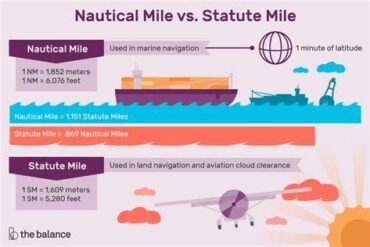
The decision to operate the Zurich-Halifax route with the A340 underscores Edelweiss’s confidence in the viability of the transatlantic leisure market to Canada’s East Coast. With a range of over 7,400 nautical miles, the A340 is more than capable of handling the 2,898-nautical-mile (5,367 km) journey with efficiency, comfort, and style.
The Zurich-Halifax Route: Strategic and Symbolic
This new route represents more than just added capacity—it’s a strategic play by Edelweiss, capitalizing on growing demand for European connections from Atlantic Canada. According to Cirium Diio data, Zurich to Halifax is the only new transatlantic route launching between Canada or the U.S. this July and August, reinforcing its unique market position.
Despite only about 8,000 round-trip passengers flying between the two cities in the past year, this figure is projected to rise significantly thanks to direct connections, competitive fares, and aggressive promotional campaigns. Halifax becomes Zurich’s newest North American gateway, joining Edelweiss’s growing roster of destinations that includes Seattle, which was added earlier this year.
Halifax’s Transatlantic Map Expands
With Edelweiss’ arrival, Halifax Stanfield International Airport will now boast 10 non-stop European routes—a remarkable feat for a city of its size. This expansion is especially striking when compared to pre-pandemic figures. In July 2019, transatlantic flights were sparse. Now, in July 2025, they have increased by 75%, and by 40% compared to last year.
Airlines such as Air Canada, WestJet, Discover Airlines, Icelandair, and now Edelweiss, have made Halifax a formidable regional hub for Europe-bound passengers. The variety of destinations now includes London (both Heathrow and Gatwick), Frankfurt, Amsterdam, Barcelona, Paris, Dublin, Edinburgh, and Keflavik.
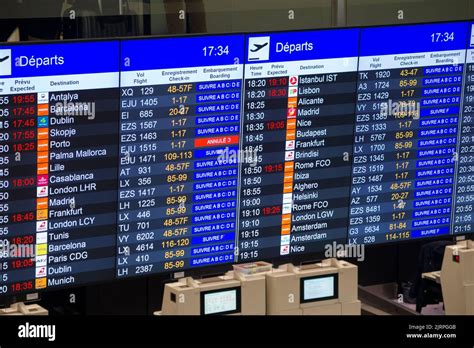
This diversification of routes has not only enhanced Halifax’s global connectivity but also reduced the need for travelers to transit through larger hubs like Toronto or Montreal. The Zurich route in particular opens up access to Switzerland and, via codeshare agreements with SWISS, seamless onward travel to destinations across Europe, the Middle East, and beyond.
Zurich-Halifax Flight Schedule
Edelweiss’ schedule is designed for optimal passenger convenience, with local timing that caters to both leisure and connecting travelers:
- Zurich to Halifax (WK18): 13:50 – 16:20 (Local Time)
- Halifax to Zurich (WK19): 19:05 – 06:30+1 (Local Time)
This means that travelers from Halifax can enjoy a full day in Switzerland upon arrival, and those returning can board an evening flight that allows for easy connections across Europe.
Halifax’s Longest Route and a New Era for YHZ
The Zurich route now becomes Halifax’s longest regularly scheduled flight, overtaking the WestJet-operated service to Barcelona. The use of the A340—an aircraft traditionally associated with long-haul, premium services—adds a level of prestige and comfort rarely seen in Halifax’s flight operations. The Edelweiss A340-300s are configured for leisure comfort, often featuring spacious cabins and a premium economy section tailored for long-haul travel.

Moreover, Halifax now becomes one of only three Canadian airports to host regular Airbus A340 service this summer, joining Montreal and Calgary. While Calgary also welcomes Edelweiss’ A340, Montreal’s operation is even more unique, as Tunisair is deploying a leased A340-300 (formerly of South African Airways) on its Tunis-Montreal route, leveraging the strong Francophone cultural ties between the two cities.
Boosting Regional Tourism and Economic Impact
For Nova Scotia’s tourism sector, the implications are significant. Direct air service to a European hub like Zurich means the province is better positioned to attract high-spending international visitors, especially from the affluent DACH region (Germany, Austria, and Switzerland). These visitors tend to stay longer and explore further afield, benefiting rural communities and small businesses across the province.
Tourism Nova Scotia, along with economic development authorities, is expected to heavily promote the new connection. The seasonal nature of the service—running until October 5—aligns perfectly with peak travel periods, including late summer and early fall, when Nova Scotia’s landscapes and coastal attractions are at their finest.
Why the A340 Still Makes Sense for Edelweiss
While many airlines have retired the Airbus A340 in favor of newer, more fuel-efficient twinjets like the A350 or Boeing 787, Edelweiss continues to operate the aircraft due to its reliable long-haul capabilities, relatively low acquisition cost (many are owned outright), and sufficient fuel efficiency for seasonal leisure routes that don’t require daily frequencies.
The A340-300’s capacity and range make it ideal for markets like Halifax, where demand is concentrated in the summer and where the ability to transport a mix of passengers and cargo over long distances is crucial. Edelweiss’ A340s typically seat around 314 passengers, spread across business, economy, and premium economy cabins, ensuring both profitability and comfort.
Future Outlook: Could Halifax Become a Bigger Transatlantic Player?
As air travel demand continues to recover and diversify post-pandemic, Halifax appears poised for further transatlantic growth. The combination of geographic advantage, a growing tourism economy, and airline willingness to explore secondary markets bodes well for the airport’s long-term prospects. Edelweiss’ move may be a signal to other European carriers that Atlantic Canada can sustain more than just summer flights.
There is potential for Halifax to see future expansions, perhaps with more seasonal routes, higher frequencies, or even year-round service. Additionally, if the Zurich route proves successful, other Star Alliance carriers may explore feeder or codeshare opportunities, creating a more robust European network.
Conclusion: A New Chapter for Halifax Aviation
The introduction of regular Airbus A340 service at Halifax Stanfield is more than a new route—it’s a statement of confidence in Halifax as a transatlantic air travel hub. It reflects shifting dynamics in leisure travel, the adaptability of mid-sized airports, and the enduring appeal of direct international connections. As Edelweiss Air’s A340 makes its inaugural landing on July 3, it also touches down on a new era of opportunity for Atlantic Canada.
Whether you’re a Nova Scotian eager to explore the heart of Europe, a Swiss traveler discovering the beauty of Canada’s east coast, or an aviation enthusiast tracking the storied A340, this route is poised to redefine Halifax’s global relevance—one flight at a time.