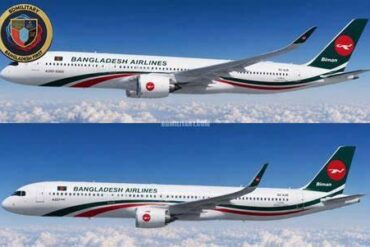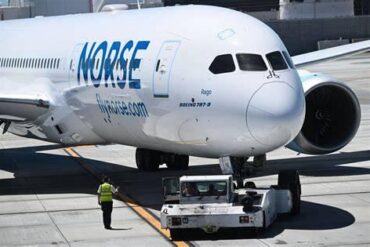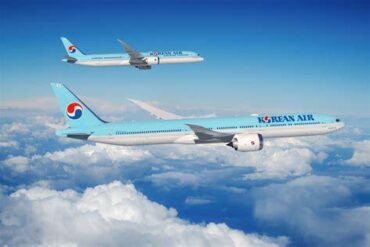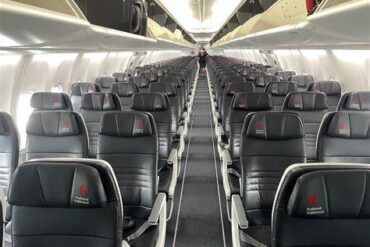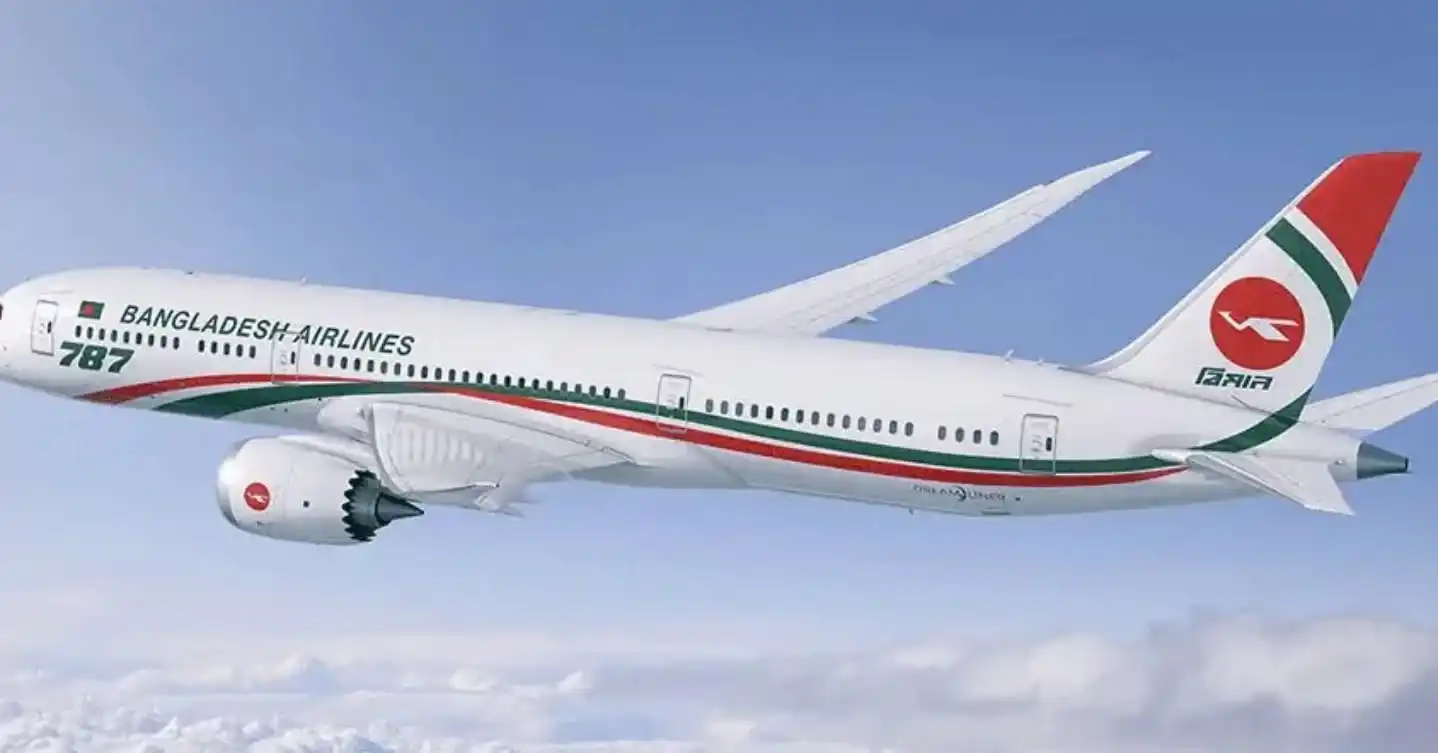
Biman Bangladesh Airlines, the national flag carrier of Bangladesh, has formally declared its intent to acquire 14 new aircraft from Boeing, reinforcing its existing reliance on the American aerospace giant. This strategic move underscores the airline’s ambitions to reclaim international relevance and challenge the dominance of foreign carriers operating within and beyond South Asia. The board-approved order includes a mix of Boeing 787-9s, 787-10s, and 737 MAX 8s, forming part of an aggressive fleet modernization and expansion plan.
Biman’s Fleet Strategy: Doubling Down on Boeing
Biman’s fleet is already heavily Boeing-centric. Out of the 19 aircraft it currently operates, 14 are manufactured by Boeing, reflecting a long-standing partnership. With the proposed order, the carrier aims to expand both its widebody and narrowbody fleets to better serve high-demand international routes and enhance competitiveness against foreign airlines. According to TBS News, Bangladeshi carriers only account for 25% of the country’s international air traffic, a gap Biman clearly intends to narrow.
The current order breakdown includes:
- 2 Boeing 787-9 Dreamliners
- 8 Boeing 787-10 Dreamliners
- 4 Boeing 737 MAX 8 narrowbody jets
This mix of aircraft allows Biman to cater to long-haul, high-density routes with the 787-10, while the 787-9 and 737 MAX 8 offer range and fuel efficiency for medium and shorter routes. The decision to invest heavily in Boeing widebodies signifies Biman’s intent to further integrate into global aviation networks, particularly across Europe, the Middle East, and possibly North America.
No Deal Yet: Approval Phase Marks Start of Negotiations
While the board has given the green light, the order is not yet finalized. Biman Bangladesh Airlines has been authorized to begin pricing and contractual negotiations with Boeing. This means no financial or legal obligations have been signed. However, given the airline’s track record and its existing Boeing-heavy lineup, industry analysts consider the deal highly likely to proceed barring any political or financial disruptions.
Pressure from Europe: Airbus Still in the Picture
The Boeing deal comes amid growing European diplomatic pressure to promote Airbus in South Asia. In 2023, Biman announced its intent to purchase 10 Airbus A350s, including 2 A350 freighters and 8 passenger variants, during French President Emmanuel Macron’s visit to Dhaka. Despite the initial fanfare, the status of this Airbus order remains unclear.
While Biman has traditionally aligned with Boeing, the symbolic and strategic importance of engaging with Airbus remains potent. European governments see South Asia, particularly Bangladesh with its rising middle class and overseas labor diaspora, as a crucial market for aerospace competition.
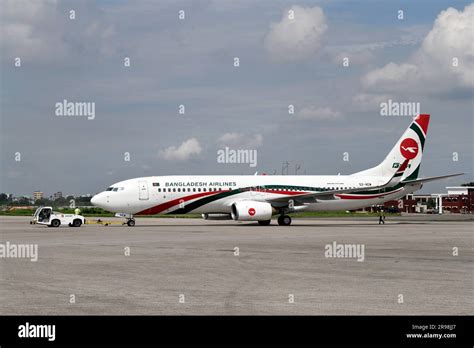
The airline’s current fleet consists of:
- 4 Boeing 737-800
- 4 Boeing 777-300ER
- 4 Boeing 787-9
- 2 Boeing 787-8
- 5 De Havilland Canada Dash 8-400 turboprops
This new order of 14 aircraft would increase Boeing’s presence in Biman’s fleet, likely outpacing any future Airbus involvement unless new strategic alliances or incentives shift the balance.
Global Reach: Biman’s Vision for International Expansion
Biman’s ambitions extend far beyond its home turf. With Bangladeshis forming large diaspora populations across the Gulf, Europe, and North America, the airline sees international connectivity as a growth imperative. Biman currently flies to major destinations including London, Manchester, Toronto, Rome, Jeddah, Dubai, Kuala Lumpur, and Singapore.
While the airline once flew to New York and Tokyo, services to these cities have long since ceased. However, in 2024, Biman revealed plans to resume its route to New York, although these projections have slipped, and no confirmed resumption has occurred.
The addition of long-range and high-capacity aircraft such as the 787-10 would be instrumental in relaunching ultra-long-haul services. The 737 MAX 8s, on the other hand, will allow the airline to optimize frequency on regional routes, particularly to India, Southeast Asia, and the Middle East—key labor and tourism corridors.
Political Optics and Strategic Significance
The decision to move forward with Boeing at this juncture may have political undertones. The U.S.-Bangladesh relationship has experienced both cooperation and tension in recent years, and large-scale aerospace deals often signal strategic alignment. On the flip side, any advancement with Airbus could be interpreted as balancing ties with Europe.
Given Bangladesh’s geopolitical positioning between India, China, and the Bay of Bengal, its civil aviation policies are watched closely by global powers. The Boeing deal, particularly with its large 787-10 commitment, also demonstrates confidence in the airline’s growth trajectory, despite past operational and management challenges.
A Complicated Past, a Focused Future
Founded in 1972, Biman Bangladesh Airlines has a storied history marked by monopoly, expansion, mismanagement, and restructuring. Originally state-owned, the airline transitioned into a public limited company in 2007, becoming the country’s largest. Its turbulent past has often overshadowed its strong brand recognition among the Bangladeshi diaspora.
Today, Biman operates three main hubs:
- Dhaka Hazrat Shahjalal International Airport (DAC)
- Chattogram Shah Amanat International Airport (CGP)
- Sylhet Osmani International Airport (ZYL)
It also plays a vital role in transporting thousands of pilgrims each year during Hajj season, a responsibility that puts pressure on operational reliability and capacity.

The proposed fleet addition could alleviate congestion and improve aircraft rotation, especially during high-demand periods like Ramadan and the Hajj pilgrimage.
Future-Proofing with the Dreamliner and MAX Technologies
Both the Boeing 787 Dreamliner and the 737 MAX 8 feature cutting-edge fuel efficiency, lower emissions, and modern cabin experiences. For Biman, integrating these models will help reduce maintenance complexity and training costs due to fleet commonality. Moreover, the advanced avionics and ETOPS certifications of the 787 family will enable Biman to serve longer direct routes with greater reliability.
The 787-10, in particular, provides seating for approximately 318 passengers in a two-class configuration, making it ideal for high-traffic corridors such as London-Dhaka or Jeddah-Dhaka, where Biman regularly sees full loads.
Meanwhile, the 737 MAX 8 offers a range of over 6,500 km, allowing flexible deployment across South Asia and the Middle East with enhanced fuel economy, which is vital in the current high-cost fuel environment.
Conclusion: A Defining Move for Biman’s Next Chapter
Biman Bangladesh Airlines’ intent to purchase 14 new Boeing aircraft represents a pivotal move in its fleet renewal and global expansion strategy. While the airline has faced considerable turbulence over the decades, this new order signals a renewed focus on operational efficiency, customer satisfaction, and competitive agility.
Although negotiations are ongoing, the sheer scale and structure of this potential acquisition mark it as one of the most consequential aircraft deals in South Asia in recent years. Whether this bold step leads Biman back to long-haul glory—perhaps even New York—will depend on its ability to follow through with execution, optimize fleet usage, and maintain service quality.
In the backdrop of global aerospace rivalry between Boeing and Airbus, Biman’s next fleet decisions will likely reflect not just corporate calculations but diplomatic chess moves, making Bangladesh’s national carrier a key player in the region’s aviation future.