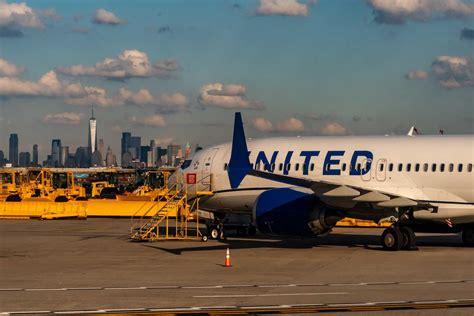
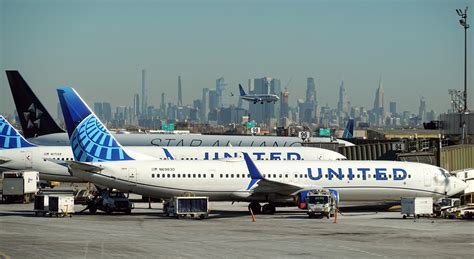
United Airlines has declared a significant milestone at Newark Liberty International Airport (EWR), announcing a sweeping operational turnaround that executives are calling the most reliable performance in the airport’s history. Following a turbulent period marked by air traffic control gridlock, construction-related delays, and flight cancellations, the airline now proclaims EWR is “operating better than ever”.
Newark’s Revival: Inside United Airlines’ Bold Declaration
United’s Chief Executive Officer Scott Kirby delivered the message with conviction, asserting that recent changes have transformed Newark into a highly reliable hub. The improvements follow months of passenger frustration earlier in the year, when congestion, weather conditions, and FAA limitations pushed operations to a breaking point. According to Kirby, the airline worked hand-in-hand with the Federal Aviation Administration (FAA) to limit hourly flight scheduling to 68 departures, relieving strain and creating a buffer for delays.
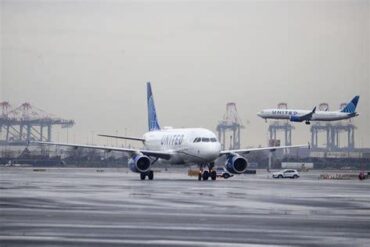
United responded to this cap not by reducing destinations, but by strategically deploying larger aircraft. This up-gauging approach allowed the airline to transport the same or greater number of passengers using fewer flights. It was a calculated move that aligned flight volume with operational reality, offering a more stable experience for flyers and a clearer runway schedule for air traffic controllers.
Infrastructure Overhauls and Technology Upgrades at EWR
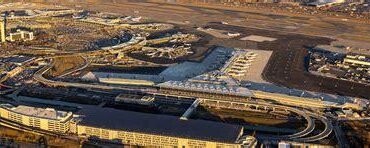
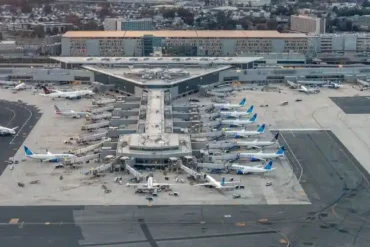
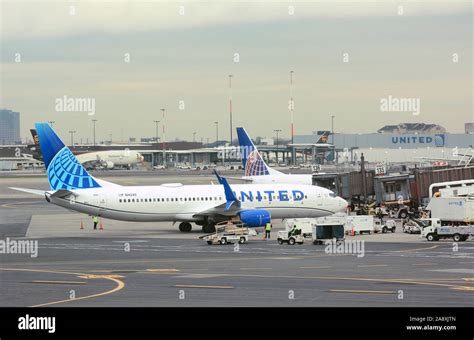
The transformation at Newark was not limited to flight scheduling. Behind the scenes, essential infrastructure updates played a pivotal role. Runway construction, which had been a major source of bottlenecks, was completed for weekday operations by June. Additionally, the airport invested in new fiber optic systems for air traffic controllers, enhancing communication and reducing the risk of systemic failures.
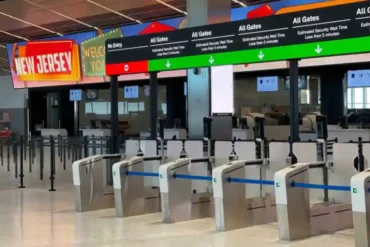
United’s operational claim is not merely a marketing statement—it reflects measurable changes felt by frequent flyers. Many have reported shorter boarding times, smoother departures, and early arrivals, especially on domestic routes. Though anecdotal, such feedback underscores the tangible impact of the airline’s restructuring.
New Routes and Expansion Amid Lingering Skepticism
Looking forward, United plans to expand its footprint at Newark with new flights to six international destinations and five additional domestic routes. The airline will also hire 2,500 more airport-based employees, reinforcing its long-term investment in the region. However, this expansion raises a critical question: how will United and the FAA manage the increased demand without backsliding into previous operational chaos?
While some travelers have praised the improvements, others remain unconvinced. Concerns persist around flight pricing disparities, particularly when comparing Newark to JFK or LaGuardia (LGA). Newark flights, often more expensive, reflect the paradox of hub dominance: unmatched connectivity paired with reduced competition.
Persistent Challenges Beneath the Surface
Despite United’s optimism, EWR remains a uniquely challenging airport. Its physical layout limits simultaneous use of certain runways due to FAA safety regulations. Further, its geographical location places it in one of the busiest and most weather-prone airspaces in the world, competing with Teterboro, JFK, LGA, and dense helicopter traffic.
Even with the technical and operational gains, delays and rerouting remain common due to external forces that no airline or regulator can fully control. As some experienced travelers noted, a single thunderstorm can cripple the entire tri-state air corridor. Therefore, while United has enhanced what it can control, systemic vulnerabilities remain.
Balancing Progress With Reality
United’s proclamation that Newark is now functioning at peak reliability is both a marketing achievement and an operational benchmark. The airline deserves credit for coordinating with federal authorities, upgrading systems, and smartly managing fleet deployment. The move to hire more staff signals a longer-term commitment that could sustain these gains beyond seasonal peaks.
However, passenger sentiment remains divided. While some enjoy the benefits of quicker boarding and early arrivals, others continue to experience delays, last-minute schedule changes, and subpar customer service. The reliance on branded credit card pitches mid-flight has also drawn criticism, though it reflects a broader industry trend, not a United-specific issue.
Conclusion: A New Chapter or Just a Brief Reprieve?
The road ahead for United Airlines at Newark is as congested as the airport’s airspace. The airline has, by all accounts, taken meaningful steps to turn the page on a difficult year. But as expansion plans roll forward and passenger volumes grow, the true test of this operational renaissance will be consistency. Will Newark remain a model of reliability or fall back into familiar turbulence?
For now, United’s declaration of triumph at Newark Liberty International stands. Whether it marks the beginning of a sustained improvement or a temporary high point will depend on how well the airline, the FAA, and the airport navigate the skies ahead.