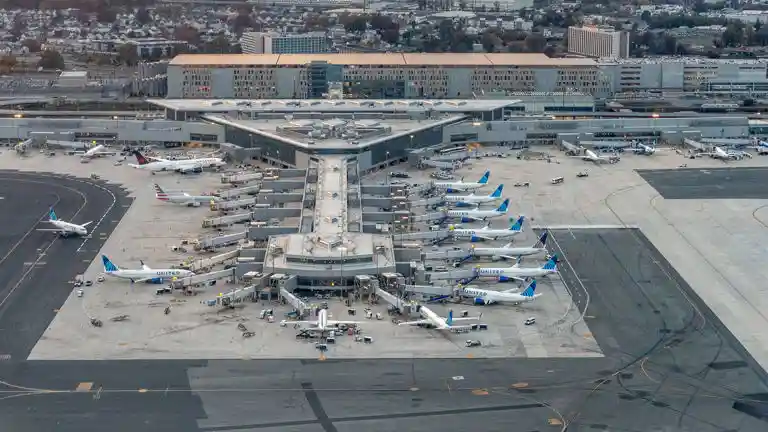
Newark Liberty International Airport has completed one of the most remarkable operational turnarounds in the American aviation industry. After spending much of 2025 battling severe delays, cancellations, staffing shortages, and infrastructure disruptions, the airport has emerged in 2026 as the leading major airport in the Northeast for on-time flight performance. For travelers, airlines, and aviation industry observers, the transformation represents a significant shift in how one of the nation’s busiest international gateways manages capacity, reliability, and operational efficiency.
The airport’s recovery comes at a critical moment for the broader aviation sector. Passenger demand remains strong, international travel continues to expand, and airlines are under increasing pressure to deliver dependable schedules. Newark’s ability to move from a symbol of congestion and disruption to a benchmark for operational reliability demonstrates how coordinated action between airlines, regulators, and airport authorities can produce measurable improvements.
Newark Liberty’s Difficult Year Of Delays And Disruptions
Throughout much of 2025, Newark Liberty International Airport faced a combination of challenges that severely impacted flight operations. Runway rehabilitation projects, air traffic control staffing shortages, and technical disruptions within the national aviation system created a perfect storm that affected thousands of passengers.
Delays frequently stretched throughout the day, causing aircraft to remain on the ground longer than scheduled and creating cascading disruptions across airline networks. Cancellations became increasingly common during periods of peak congestion, while travelers often encountered missed connections and extended wait times.
The operational difficulties were particularly significant because Newark serves as one of the primary gateways for domestic and international travel in the northeastern United States. As congestion intensified, the effects spread beyond New Jersey, influencing airline schedules across the country.
Airport performance became a major topic of discussion within the aviation industry as regulators, airlines, and travelers searched for solutions to stabilize operations and restore confidence.
Federal Intervention Helped Stabilize Airport Operations
Recognizing the growing challenges at Newark, federal authorities introduced a series of measures designed to improve efficiency and reduce congestion. The Federal Aviation Administration implemented temporary flight volume restrictions intended to better align airport activity with available operational capacity.
These restrictions were not designed to limit growth permanently. Instead, they served as a short-term strategy to create a more manageable operating environment while critical infrastructure projects were completed and staffing challenges were addressed.
Investments in technology upgrades also played a crucial role. Modernized systems improved operational visibility, enhanced coordination between stakeholders, and reduced the likelihood of technical failures contributing to additional delays. At the same time, efforts were made to strengthen staffing levels and improve resource allocation across key operational functions.
The result was a more stable operating environment capable of supporting consistent arrivals and departures without the excessive congestion that had previously overwhelmed airport resources.
United Airlines Played A Central Role In The Turnaround
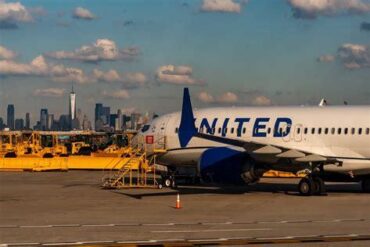
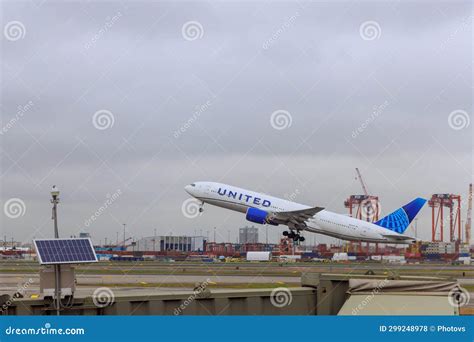
As Newark’s largest airline operator, United Airlines became one of the most influential contributors to the airport’s recovery. The carrier worked closely with regulators and airport authorities to ensure flight schedules reflected realistic operational capacity.
Rather than maximizing flight volume at every available opportunity, United adopted a more disciplined approach to scheduling. This strategy reduced pressure during peak periods and helped prevent delays from spreading throughout the network.
The airline reported that nearly 5.8 million passengers traveled through its Newark operation during April and May 2026. During the same period, Newark achieved its strongest on-time performance results on record, highlighting the effectiveness of the operational changes.
United Chief Executive Officer Scott Kirby credited the progress to the combined efforts of federal authorities and thousands of aviation professionals working at the airport. The improved performance demonstrated how cooperation among multiple stakeholders can deliver meaningful improvements in complex transportation systems.
Infrastructure Improvements Created Long-Term Benefits
While schedule management helped address immediate challenges, infrastructure modernization provided the foundation for sustainable improvement.
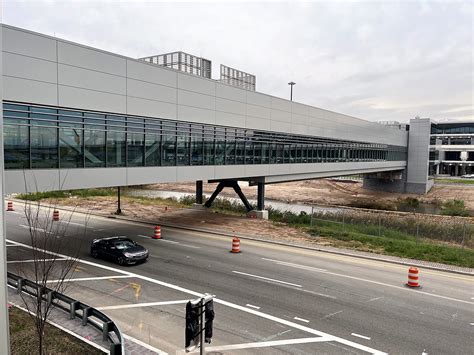
Major runway construction projects that contributed to disruptions in 2025 were completed, eliminating a significant source of operational constraints. Aircraft movements became more efficient, allowing arrivals and departures to flow with fewer interruptions.
Additional upgrades to airport systems improved operational coordination and strengthened the airport’s ability to respond to unexpected events. These enhancements were designed not only to solve short-term issues but also to improve resilience against future disruptions.
Infrastructure investments often require years of planning and execution before benefits become visible. In Newark’s case, the completion of critical projects coincided with broader operational reforms, creating a powerful combination that accelerated the airport’s recovery.
Why Newark Is Now Leading Northeast Airports For On-Time Performance
The airport’s rise to the top of Northeast on-time performance rankings did not occur because of a single initiative. Instead, it resulted from several interconnected improvements working together.
Operational capacity became more closely aligned with flight schedules. Infrastructure bottlenecks were reduced. Technology systems became more reliable. Airlines adopted more realistic scheduling practices. Federal agencies implemented targeted policies to manage congestion effectively.
These factors collectively reduced the risk of cascading delays that previously affected large portions of the airport’s daily operation. When flights depart on schedule more consistently, the entire network benefits from greater predictability.
The improvement is especially notable given Newark’s scale. Managing reliability at one of the nation’s busiest airports presents challenges far greater than those faced by smaller facilities. Achieving industry-leading performance under such conditions highlights the effectiveness of the reforms implemented over the past year.
What The Recovery Means For Travelers
For passengers, improved on-time performance translates directly into a better travel experience. Reliable departures and arrivals reduce uncertainty and help travelers plan journeys with greater confidence.
Business travelers benefit from more predictable schedules, while leisure travelers experience fewer disruptions during vacations and family trips. Reduced delays also lower the risk of missed connections, helping passengers reach destinations without unexpected complications.
The timing of Newark’s recovery is particularly important as airlines prepare for another busy summer travel season. Strong passenger demand and growing international traffic will test the airport’s ability to maintain its recent success.
Travelers increasingly judge airports not only by amenities and route options but also by operational reliability. Consistent performance can significantly influence booking decisions, making Newark’s improved reputation a valuable competitive advantage.
Can Newark Maintain Its Momentum?
Despite the impressive progress, challenges remain. Air traffic control staffing continues to be a concern across the United States aviation system, and weather-related disruptions can never be completely eliminated. Rising passenger volumes may also place additional pressure on airport infrastructure during peak periods.
However, Newark now enters these challenges from a position of strength rather than instability. The systems, processes, and partnerships established during the recovery effort provide a stronger foundation for future growth.
The airport’s transformation from one of the Northeast’s most disrupted travel hubs into the region’s leading performer for on-time flights stands as one of the aviation industry’s most notable success stories of 2026. If current trends continue, Newark Liberty International Airport may not only preserve its gains but further strengthen its reputation as one of America’s most dependable gateways for domestic and international travel.