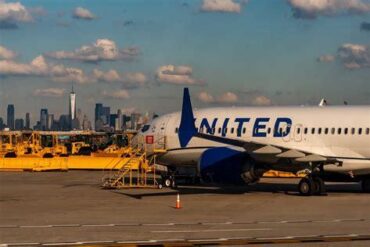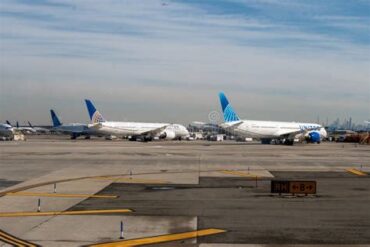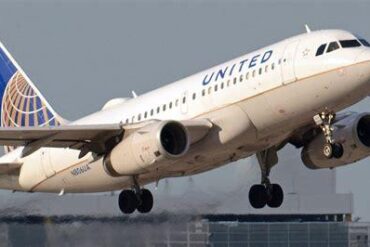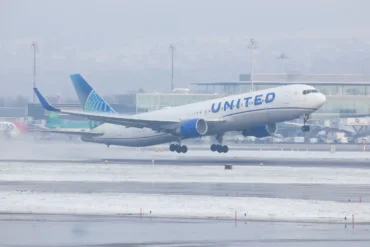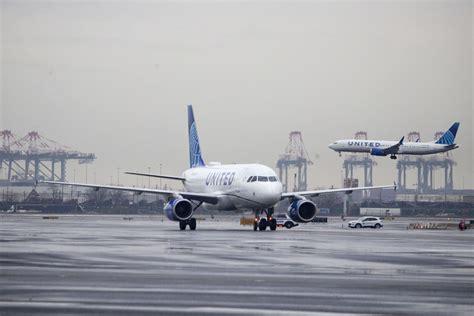
Newark Liberty International Airport is enduring a summer of turbulence—not in the skies, but on the ground. The travel hub, one of the nation’s busiest, is grappling with a perfect storm of operational failures, including runway construction, air traffic control breakdowns, and critical staffing shortages. Yet amidst the chaos, United Airlines—the airport’s dominant carrier—is offering historic low fares, reshaping travel decisions for thousands of passengers looking for summer deals.
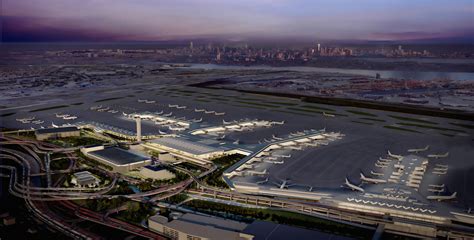
The juxtaposition is dramatic. Travelers are enduring long delays, frequent cancellations, and unpredictable schedules, but they’re also discovering airfare rates that haven’t been this low in decades. According to United Airlines CEO Scott Kirby, this summer may represent the “cheapest it’s likely to ever be in history” to fly from Newark.
Systemic Disruptions: Why Newark Airport Is Struggling This Summer
The foundation of Newark’s current woes is a convergence of long-standing infrastructure weaknesses and mounting pressure on air traffic control (ATC) operations. Over recent weeks, Newark has seen waves of flight disruptions, primarily stemming from the FAA’s outdated infrastructure, compounded by a critical shortage of qualified air traffic controllers. The Federal Aviation Administration, already under scrutiny, has admitted that its current systems can no longer handle the escalating demands of the post-pandemic travel resurgence.
The problems were intensified by the closure of a major runway at Newark for scheduled construction. This single bottleneck has significantly reduced the airport’s capacity to process flights efficiently. As a result, both arrivals and departures have experienced cascading delays, affecting not just Newark but also the broader New York-area airspace.
In response, the FAA enacted a 25% reduction in Newark’s daily flight schedule, a stopgap intended to provide relief to the overstretched ATC teams. This emergency measure is set to remain in place until construction concludes and systems are modernized.
The Federal Response: Infrastructure Upgrades in Motion
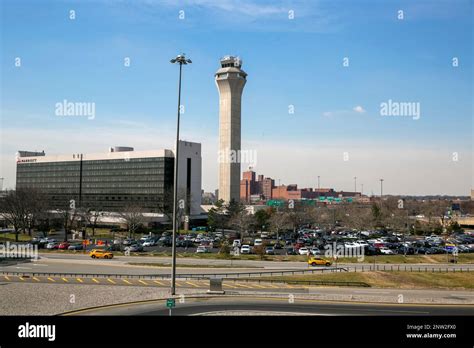
Recognizing the national importance of restoring Newark’s functionality, the U.S. Department of Transportation has fast-tracked technological upgrades. A major milestone was the introduction of a new fiberoptic cable system linking New York and Philadelphia, designed to enhance the speed and reliability of ATC data transfers.
This digital backbone is expected to strengthen Newark’s ATC infrastructure, reducing communication lag, and enabling quicker rerouting decisions during congestion or emergencies. Transportation Secretary Sean Duffy stated that the system would be fully operational by the end of July, marking a significant pivot point for the region’s aviation management.
United Airlines’ Strategic Response: Discounted Fares Amid Operational Pain
While Newark contends with infrastructural chaos, United Airlines has chosen to embrace the disruption as a strategic opportunity. With travelers wary of potential delays and unpredictability, bookings plummeted. Rather than letting seats go empty, United slashed prices to a level that has shocked the industry.
According to CEO Scott Kirby, the pricing is “a result of diminished demand, not a celebratory promotion.” Yet, the result is the same: roundtrip tickets at prices unseen in over a decade. For cost-sensitive travelers, especially families planning last-minute vacations, Newark has suddenly become a gateway to affordable getaways—even if it comes with a side of uncertainty.
“We lost so many bookings that there are just so many seats open,” Kirby said at the Wall Street Journal’s Future of Everything event, explaining the rationale behind the aggressive price cuts. “It’s the lowest it’s likely to ever be in history.”
Travelers Beware: Deals Come with Delays
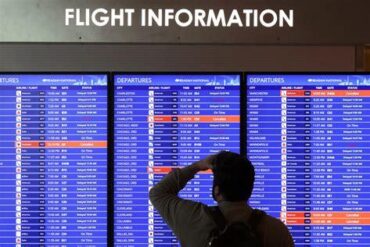
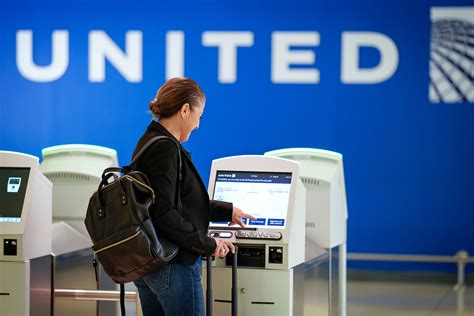
Despite the alluring fares, travelers departing from or arriving at Newark should brace for a less-than-smooth experience. Terminal congestion, extended check-in times, and unpredictable gate changes have become routine. Even security lines, bolstered by TSA, are feeling the strain.
Holiday periods and peak travel days are especially volatile, with higher-than-normal cancellation rates. Travelers are advised to monitor flight statuses closely, arrive earlier than usual, and consider alternative transit options to and from the airport due to logistical bottlenecks around the terminals.
For many passengers, the gamble is acceptable. “I saved nearly $400 flying from Newark instead of JFK, even if it means I wait a little longer,” said Marissa Lane, a New Jersey resident traveling to Denver. “I’ve waited in worse lines for less.”
Kirby’s Vision: A More Regulated, Efficient Newark in the Future
While the present is rocky, Kirby remains optimistic about the long-term transformation of Newark Airport. A key component of this transformation lies in the implementation of slot controls, a regulatory measure already in place at JFK and LaGuardia. Slot controls would cap the number of flights that airlines can operate during specific times, effectively aligning flight schedules with the airport’s actual capacity.
“The issue is that Newark couldn’t handle the number of flights being scheduled,” Kirby noted. “The FAA’s reduction in flights is painful now, but necessary. It’s a temporary fix before permanent regulations help balance demand and capacity.”
The goal is not just to limit flight numbers but to enhance overall airport efficiency, improve on-time performance, and reduce the burden on ATC teams. The idea is simple: fewer, better-managed flights can create a smoother experience for both passengers and crews.
A Cautious Opportunity for Cost-Savvy Flyers
With the odds of disruption baked into the experience, Newark still holds unique appeal for savvy travelers. Families, students, and flexible remote workers are lining up to take advantage of fares that, for once, don’t feel punishing. For many, it’s a summer of calculated risk: tolerate delays and gain hundreds in savings.
Even frequent travelers have adjusted their expectations. Business flyers, once deterred by uncertainty, are planning buffer days into their schedules. Others are hedging their bets by purchasing travel insurance or booking refundable options.
The Road Ahead: Signs of Recovery and Optimism
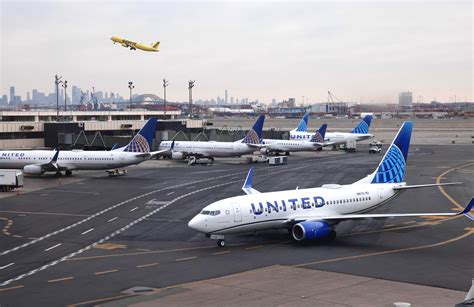
Despite current challenges, Newark Airport is positioned for a strategic rebound. The newly installed fiberoptic system, ongoing runway upgrades, and potential implementation of slot controls signal a clear pathway toward recovery.
Once the construction projects reach completion, Newark is expected to resume full operational capacity with improved reliability. In the interim, the public is urged to maintain patience—and perhaps seize the moment for a low-cost vacation while it lasts.
For United Airlines, the expectation is a return to higher traffic and better profit margins by next year. However, the present approach—focusing on passenger volume through lower pricing—may also set a precedent for how airlines deal with operational disruptions in the future.
In the long arc of Newark Liberty’s story, this summer may be remembered not just for the chaos but for a rare alignment of affordability and opportunity.
Final Thoughts: A Tale of Two Realities
Newark Airport stands at a crossroads. On one hand, it’s a site of acute logistical pain—frustrated travelers, incomplete infrastructure, and overwhelmed systems. On the other, it’s a rare economic opportunity, offering low prices at a time when airfares nationally remain high.
Travelers who embrace the deal may need to embrace the chaos. But for those who do, this summer marks a unique chapter in the saga of American air travel—a story of setbacks, adaptation, and bargains found in unexpected places.