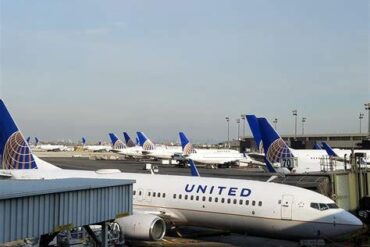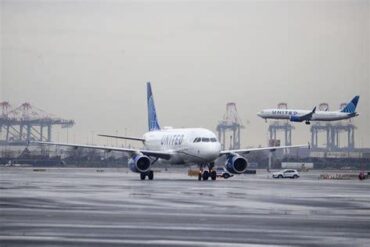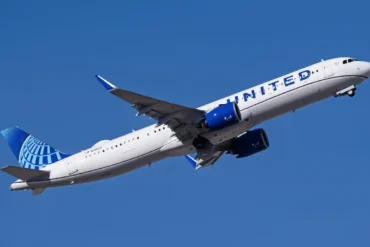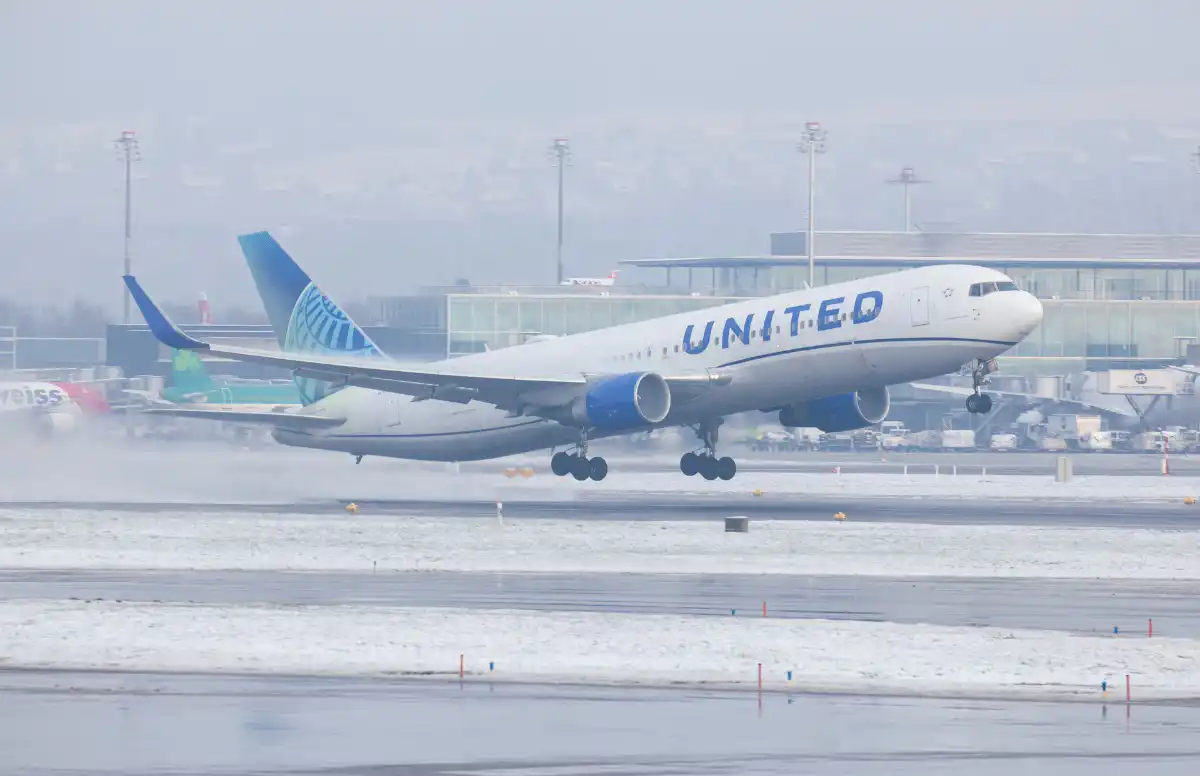
The prospect of higher airfare is quickly becoming a defining theme of the upcoming travel season, and United Airlines is placing itself at the center of that narrative. As jet fuel prices continue to climb under persistent geopolitical pressure and oil market instability, the carrier is preparing passengers for a significant shift: summer ticket prices could rise by as much as 20%. The move reflects a broader industry recalibration, but United’s unusually direct messaging underscores the urgency of the situation.
Rising operational costs are not new to aviation, yet the current spike in fuel expenses is proving particularly difficult to absorb. Fuel remains one of the largest cost components for any airline, and even marginal increases ripple quickly through profit margins. For United, the solution is increasingly clear—pass at least part of the burden onto consumers, even as demand remains resilient.
Why United Airlines Is Pushing Aggressive Fare Increases
United Airlines CEO Scott Kirby has been explicit about the airline’s position, emphasizing that this is no longer a theoretical discussion about margin pressure. Instead, it is a direct response to sustained high fuel prices that show little sign of easing in the near term. According to Kirby, maintaining profitability in this environment requires decisive pricing action.
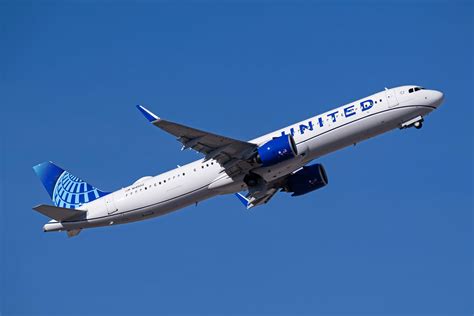
The airline has already implemented a series of incremental changes, including base fare increases, higher baggage fees, and selective capacity reductions. These measures are designed to stabilize financial performance without undermining the strong demand that has characterized post-pandemic travel. However, the potential for a 15% to 20% fare hike signals a more aggressive phase of cost recovery.
This strategy also reflects confidence in United’s pricing power. With travel demand holding firm—particularly on peak summer routes—the airline appears willing to test how much consumers are prepared to absorb before demand begins to soften.
Impact on Summer Travelers and Booking Behavior
For passengers, the implications are immediate and tangible. A fare increase of this magnitude does not operate in isolation; it compounds with existing cost pressures across the travel experience. Higher ticket prices, elevated baggage fees, and reduced availability together create a more expensive and less flexible travel environment.

Capacity adjustments further complicate the equation. By trimming less profitable routes and moderating overall seat supply, United is effectively tightening inventory. This leads to higher load factors and fewer discounted fares, particularly for last-minute bookings or popular destinations. Travelers who once relied on flexibility may find themselves navigating a far more constrained marketplace.
Despite these challenges, demand has yet to show meaningful signs of weakening. Leisure travelers continue to prioritize experiences, and business travel is gradually stabilizing. This dynamic gives United and its peers room to maneuver, at least in the short term.
A Delicate Balance Between Profitability and Demand
The airline industry operates on a razor-thin margin structure, and the current environment amplifies that reality. United’s approach highlights a critical balancing act: raising prices enough to offset costs without suppressing demand. Push too far, and travelers may delay or cancel trips; move too cautiously, and financial performance suffers.
What makes this moment particularly complex is the uncertainty surrounding fuel markets. If prices remain elevated throughout the summer, fare increases may become not just likely, but necessary. Conversely, any stabilization could ease pressure and limit the extent of pricing adjustments.
How Competitors Are Responding to the Same Pressure
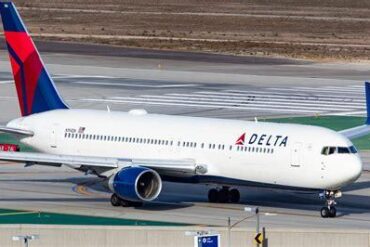
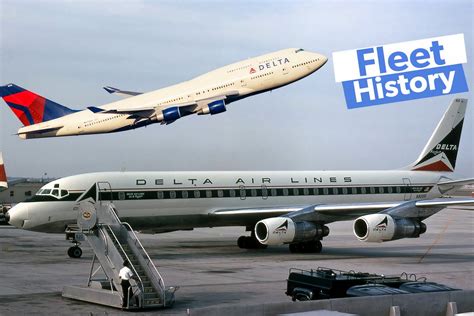
United is far from alone in facing these challenges. Across the industry, major carriers are adopting similar strategies, albeit with varying degrees of transparency. Delta Air Lines, for instance, has already scaled back capacity growth while aiming to recover a significant portion of rising fuel costs through pricing adjustments.
Alaska Airlines has taken a more cautious stance, withdrawing its long-term profit forecast due to fuel uncertainty and moderating expansion plans. Analysts point to a consistent pattern: airlines are cutting unprofitable routes, tightening capacity, and incrementally raising fares to protect margins.
The key distinction lies in communication. United’s willingness to openly discuss a potential 20% fare increase sets it apart, offering travelers a clearer—if more sobering—expectation of what lies ahead.
What This Signals for the Broader Aviation Market
The developments at United Airlines provide a window into a broader structural shift within aviation. As cost volatility becomes more pronounced, airlines are increasingly prioritizing financial discipline over aggressive growth. This translates into fewer ultra-cheap fares and a more measured approach to route expansion.
For travelers, the message is straightforward: the era of consistently low-cost peak-season travel may be fading, at least temporarily. Strategic booking—earlier planning, flexible dates, and careful route selection—will become more important than ever.
At the same time, the resilience of travel demand suggests that the industry retains a strong foundation. Even as prices climb, the appetite for flying remains robust, reinforcing airlines’ confidence in their ability to navigate this turbulent period without sacrificing long-term growth.