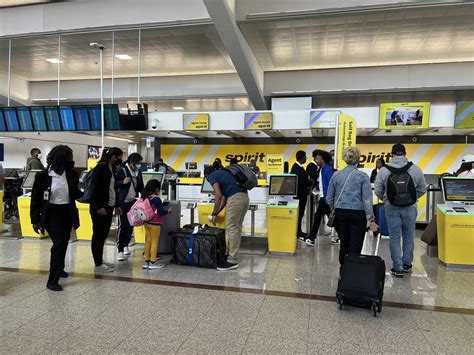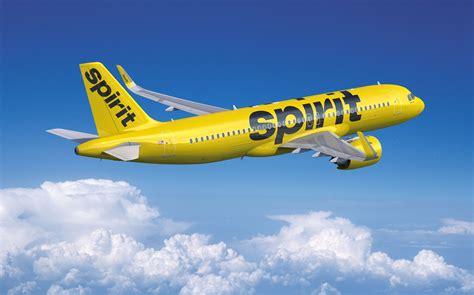
Spirit Airlines has taken a bold step into the heat of the summer travel season, introducing rebranded ticket options aimed at streamlining the flying experience and strengthening its position among America’s top carriers. With new fare categories that echo offerings from Delta Air Lines, United Airlines, Southwest, American Airlines, and Frontier, Spirit is doubling down on value, clarity, and customer customization—all critical points in today’s fiercely competitive aviation market.
The timing is deliberate. As millions of Americans gear up for summer vacations, Spirit Airlines’ refreshed fare structure aligns closely with evolving consumer expectations: transparency, personalization, and flexible comfort.
Spirit Simplifies with Three Distinct Fare Options
At the heart of Spirit’s strategy is the renaming and restructuring of its fare classes. The goal: reduce confusion and elevate the passenger experience without compromising its low-cost reputation. Spirit’s new offerings are broken down into three core categories: Spirit First, Premium Economy, and Value.
Spirit First: Premium Experience for the Budget-Conscious Elite
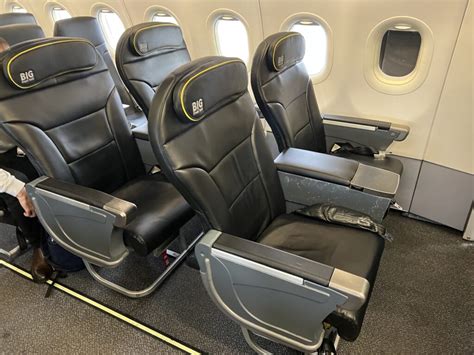
Once known as “Go Big,” Spirit First now represents the airline’s top-tier travel experience. Designed for those seeking comfort without crossing into luxury airline pricing, this fare tier delivers perks previously uncommon for ultra-low-cost carriers:
- Big Front Seat access, Spirit’s spacious, recliner-style seat with wider pitch and enhanced comfort.
- Complimentary carry-on and first checked bag, reducing hidden costs and eliminating the need for piecemeal add-ons.
- No change or cancellation fees, a significant departure from past restrictive policies.
- Priority Check-In and Boarding, helping passengers bypass the standard boarding rush.
- Reserved overhead bin space, ensuring storage access even on full flights.
- Complimentary snacks, soft drinks, and alcoholic beverages.
- Wi-Fi streaming capabilities, opening up inflight entertainment for the digital traveler.
These upgrades push Spirit into new territory—bridging the gap between budget and premium while maintaining cost efficiency.
Premium Economy: Elevated Comfort without Breaking the Bank
Previously branded as “Go Comfy,” the new Premium Economy fare focuses on personal space and convenience. What distinguishes this tier is its emphasis on extra legroom, blocked middle seats, and essential inclusions without excess pricing:
- One carry-on bag is included by default.
- No fees for changes or cancellations.
- Priority boarding access.
- Exclusive overhead bin space, offering convenience for business and leisure travelers alike.
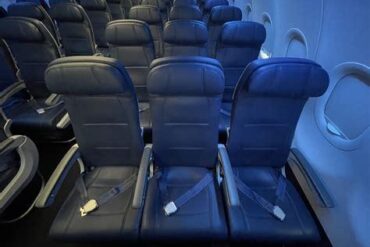
- Extra-legroom seats, to be installed in over 40 front-of-cabin locations across seven rows, starting July 9, 2025.
This move is a direct response to rising demand for comfort among value travelers, positioning Spirit to compete with mid-tier offerings from Southwest, JetBlue, and even some of United’s and Delta’s basic premium classes.
Value Fare: A Nod to the Budget Roots
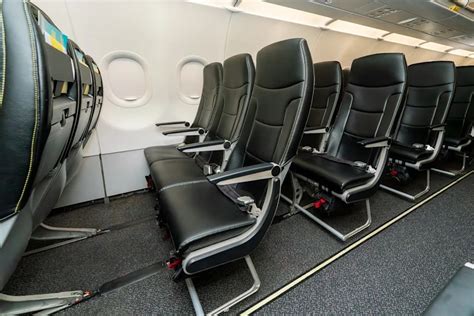
For those who prioritize low prices above all, Spirit’s Value fare—formerly known as “Go”—stays true to its original mission. It provides a stripped-down ticket with the flexibility to customize add-ons such as bags, seat selection, and extras:
- Lowest base fare among all Spirit offerings.
- Customizable experience—pay only for what you need.
- Ideal for short-haul flights or minimalist travelers.
The new naming convention also offers a psychological edge: clearer branding helps avoid the confusion that often turns away cost-sensitive customers trying to decode opaque pricing models.
Cabin Overhauls and Fleet Modernization
Spirit isn’t stopping with tickets. The carrier has committed to an extensive cabin update, focusing on more spacious seating and greater comfort throughout its fleet.
A highlight of these upgrades is the installation of Premium Seats with four extra inches of legroom, a move that enhances its appeal to frequent fliers who need flexibility but demand comfort. The blocked middle seat, once a hallmark of added comfort in Premium Economy, is being phased out in favor of larger individual seats, allowing for more efficient cabin configuration without sacrificing passenger satisfaction.
By July 9, 2025, passengers booking Premium Economy will be seated in these improved areas, benefiting from enhanced ergonomic designs and superior leg space, particularly appealing on longer domestic hauls and transcontinental routes.
Spirit Enters the Fray: Competitive Context Across U.S. Carriers
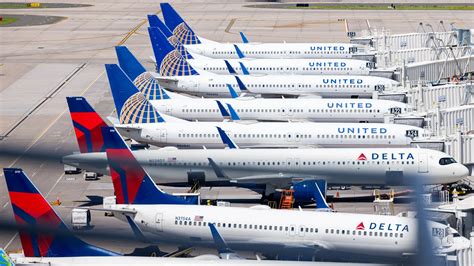
The fare structure revamp is part of Spirit’s strategic repositioning in a market saturated with evolving fare classes, loyalty bonuses, and bundled services. Carriers like Delta and United have embraced tiered fare models with varying degrees of flexibility, inclusions, and seat quality. Southwest continues to attract passengers with its unique combination of no change fees and two free checked bags—a rare perk in the domestic landscape.
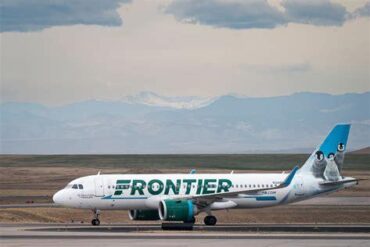
American Airlines, for its part, has expanded its premium economy reach while introducing Basic Economy with limited benefits to target price-sensitive consumers. Even Frontier, Spirit’s closest ULCC rival, has been reshaping its product offerings to remain relevant among a broader demographic.
Spirit’s decision to clarify and enhance its offering ensures it doesn’t get left behind in the race for consumer loyalty. Its approach may also set a new precedent for transparency in the ultra-low-cost model—a space long criticized for nickel-and-diming passengers at every step.
Loyalty Program Overhaul Adds More Value for Frequent Flyers
As part of its holistic upgrade, Spirit’s loyalty program received a significant refresh in May 2025. Enhancements include:
- Complimentary upgrades to Spirit First or Premium Economy for elite status holders (subject to availability).
- Expanded redemption options for points, including partial payments and merchandise.
- A new co-branded MasterCard perk offering a free checked bag with every booking.
This strategy places Spirit’s loyalty system closer to that of traditional legacy carriers, offering tangible benefits that extend beyond ticket prices. It rewards repeat customers, increasing the appeal of long-term brand allegiance, especially for business travelers and digital nomads who seek consistent benefits across trips.
A Calculated Bet in a Turbulent Market
Spirit’s transformation arrives at a time when airline loyalty is fragmented and value-based travel dominates the post-pandemic mindset. Customers no longer stick with one airline out of habit—they now seek the best balance of price, convenience, and comfort.
By introducing new fare options, modernizing its fleet, and enhancing its rewards program, Spirit Airlines is executing a multi-pronged strategy to grow its market share while appealing to a broader audience. The message is clear: Spirit wants to be more than just the cheapest option. It aims to be the smartest choice for every kind of traveler.
This shift may signal a broader trend across the ultra-low-cost carrier sector, encouraging greater differentiation, transparency, and passenger satisfaction. While the airline maintains its commitment to low-cost travel, the emphasis on optional luxury and simple fare branding may reshape public perception of what budget flying looks like in 2025 and beyond.
What It Means for Summer 2025 Travelers
For vacationers and frequent fliers alike, Spirit’s restructured ticket offerings mean more flexibility and control over the travel experience. Whether someone is heading to Orlando on a budget family trip or flying cross-country on business, the fare categories now offer clear value without ambiguity.
With the summer rush underway, this simplified fare structure also reduces frustration at booking—making it easier to understand exactly what’s included and how to avoid unexpected costs.
Spirit Airlines’ new ticket strategy doesn’t just respond to market pressure—it anticipates where travel is headed: a personalized, transparent, and value-rich experience for every passenger.