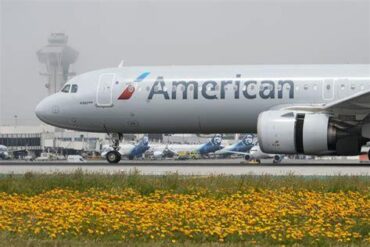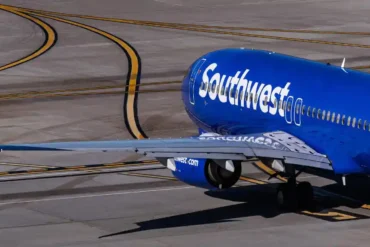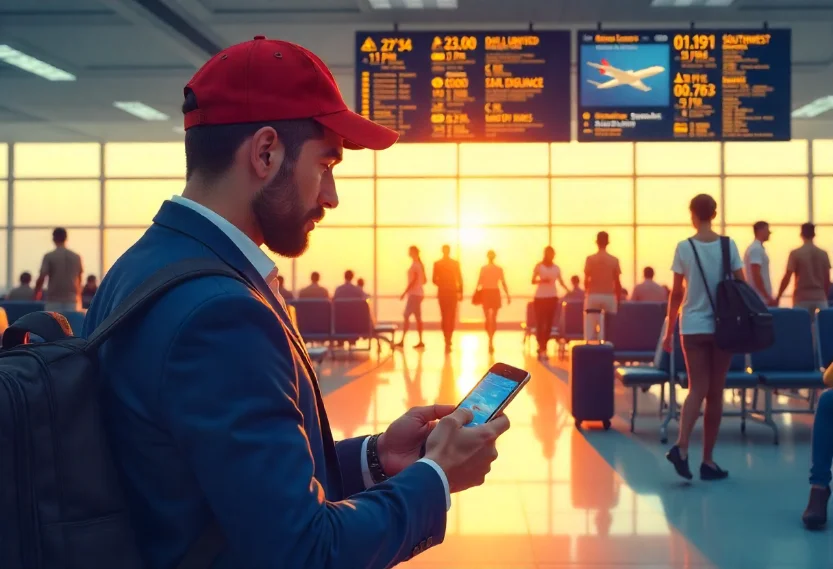
The U.S. airline industry is facing renewed scrutiny as American Airlines and United Airlines are accused of systematically overcharging solo travelers, creating a two-tiered pricing structure that disadvantages individuals flying alone. In contrast, Delta Airlines and Southwest Airlines have earned praise for maintaining fare parity, drawing a stark line between profit-driven discrimination and consumer-conscious fairness.
The Pricing Gap That Sparked Outrage
The controversy emerged in May 2025 when Kyle Potter, Executive Editor of Thrifty Traveler, uncovered a disturbing pattern: individual flyers were paying significantly more than passengers booking in pairs or groups. His findings were not anecdotal but drawn from deep analysis across major carriers, including American, United, and Delta. Most egregiously, American Airlines charged solo travelers higher fares on over 57% of its routes, particularly on short-haul flights where competition from budget carriers was minimal.
Delta, to its credit, reacted swiftly. The airline publicly abandoned the pricing disparity, assuring customers that solo travelers would receive the same fares as others on identical routes. United, however, displayed inconsistency—temporarily suspending the practice only to reportedly reinstate it soon after. American Airlines, meanwhile, doubled down. Using the shield of dynamic pricing algorithms, the airline defended its strategy, suggesting that price fluctuations reflect market demand and not intentional discrimination.
Targeting Solo Travelers on Short-Haul Routes
The abuse is most evident on short-haul business routes where alternatives are few and convenience is king. Routes such as New York to Chicago or Dallas to Los Angeles have long served the corporate sector, where weekday travel is common and time-sensitive. On these routes, solo travelers frequently face a premium, with group bookings available at significantly lower per-seat rates.
American Airlines has specifically been able to enforce this pricing model due to limited competition from budget carriers on certain city pairs. Where Southwest Airlines is absent, American often dominates, giving it the leverage to apply steep solo traveler surcharges.
Dynamic Pricing: A Double-Edged Sword
Airlines have long utilized dynamic pricing systems, adjusting fares in real-time based on demand, competition, booking window, and route popularity. This system—while efficient for revenue management—has become a blunt tool when it leads to systemic biases against certain consumer segments, especially solo flyers.
Experts argue that solo travelers, often booking at shorter notice and less likely to comparison shop rigorously, become ideal targets for price inflation. They’re less price-sensitive, don’t benefit from shared discounts, and have fewer options, especially when traveling during peak business days.
This pricing model not only disadvantages leisure travelers, who might prefer solo exploration, but also business professionals who frequently travel alone on tight schedules. The result? A quiet but consistent overpayment—hidden in plain sight.
Consumer Backlash and Expert Criticism
As word spread of the pricing imbalance, consumer rights advocates and travel industry analysts began to raise red flags. According to Alex Monroe, an aviation analyst, “Most solo travelers have no idea they’re paying more simply because they’re booking a single seat. It’s a pricing opacity problem that borders on deceptive.”
This lack of transparency further erodes consumer trust. Passengers are not being informed upfront that traveling alone may cost them more, creating a two-tier fare system that penalizes independence. Experts call for mandatory disclosures and clear fare structures, suggesting that this would not only promote fairness but also rebuild trust in an industry already struggling with reputational challenges.
Regulatory and Legal Storms Ahead
With rising public pressure, regulatory scrutiny has intensified. The U.S. Department of Transportation (DOT) and consumer protection agencies are actively reviewing fare practices to determine if this constitutes unfair discrimination. The legal question centers on whether differential pricing based on traveler count can be justified under existing fair pricing laws.
Consumer watchdogs have submitted formal complaints, and class-action lawsuits are reportedly in the pipeline. If found guilty of price discrimination, airlines like American and United could face fines, mandatory refunds, and long-term reputational damage.
Brand Impact: Winners and Losers
As consumer awareness spreads, airline loyalty is shifting. Delta Airlines has enjoyed a surge in positive press and customer goodwill for immediately ending solo traveler surcharges. This move positioned Delta as an airline that listens and adapts to passenger concerns.
On the flip side, American and United now face reputational harm, particularly among frequent solo flyers—many of whom are business travelers with high customer lifetime value. Their insistence on maintaining dynamic fare discrepancies risks alienating a critical demographic, potentially pushing them toward airlines with clearer and fairer pricing models.
Smart Strategies for Solo Flyers
Solo travelers need not resign themselves to higher fares. Industry insiders recommend the following approaches:
- Book weekend flights, where solo-group fare differences are often smaller.
- Compare prices across multiple airlines, especially including Delta, Southwest, and budget carriers like Spirit Airlines.
- Use travel aggregators and metasearch engines that display fare structures transparently.
- Consider package deals, where flight and hotel bundles may offset high airfare.
- Book early or monitor flash deals, which can occasionally level the pricing field.
Awareness is key. Many solo travelers are unknowingly overpaying simply because they don’t question the fare structure. A little extra diligence can save hundreds of dollars over a year of frequent travel.
Looking Ahead: Will Fair Pricing Prevail?
The airline industry is at a crossroads. While dynamic pricing is here to stay, there is increasing demand for it to be fair, transparent, and equitable. Carriers like Delta and Southwest demonstrate that profitability and fairness are not mutually exclusive. They offer a blueprint for sustainable pricing practices in an era where consumer trust and brand reputation matter more than ever.
The response to solo traveler discrimination will likely become a defining moment in airline customer relations for the decade. As more travelers go solo—whether for business, leisure, or lifestyle—airlines will be forced to answer a critical question: Is pricing based on traveler count justifiable, or is it an exploitative relic of outdated algorithms?
In the meantime, consumers must remain vigilant. Knowledge is power in the booking process, and solo travelers who stay informed and flexible can outmaneuver discriminatory pricing tactics.
The skies may be friendly—but for solo travelers, they must also be fair.