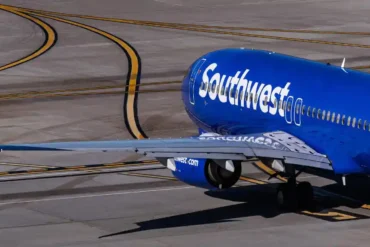
Southwest Airlines, long regarded as the pioneer of low-cost, no-frills air travel in the United States, is poised to undergo its most significant transformation in decades. In a bold response to intensifying market competition and evolving passenger expectations, the airline is pivoting towards premium services and long-haul international routes, signaling a strategic departure from its traditional business model.
A New Era: Introducing Premium Services for High-Value Travelers
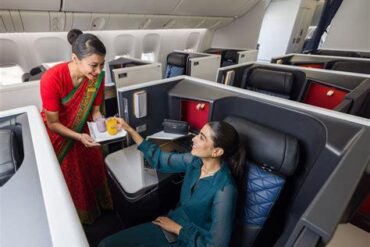
For years, Southwest Airlines carved its niche by offering budget-friendly fares, free checked bags, and an egalitarian open-seating policy that set it apart from legacy carriers. However, the landscape of air travel is shifting dramatically. High-spending customers now expect more than just low prices—they demand flexibility, comfort, and personalized experiences. Recognizing this, Southwest is launching a series of premium offerings designed to appeal to business travelers and affluent leisure passengers.
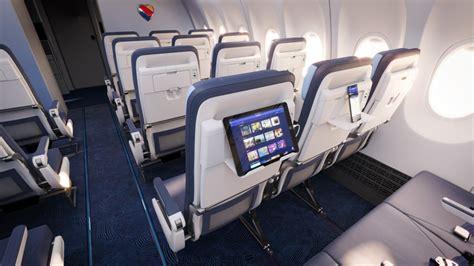
At the forefront of this initiative is the upcoming “Choice Extra” fare class, scheduled to debut in the latter half of 2025. This product will deliver a host of enhanced amenities, including priority seat selection with access to Extra Legroom seats, two complimentary checked bags, early boarding privileges, ticket refundability, and the highest earning ratio for Rapid Rewards® points.
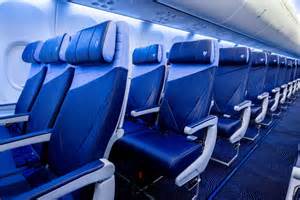
This marks a substantial evolution for the Dallas-based carrier, signaling a willingness to invest in a more segmented, value-driven travel experience. In tandem, Southwest will introduce assigned seating, abandoning its longstanding open-seating tradition. By early 2026, passengers will be able to pre-select seats at booking, choosing from Standard, Preferred, or Extra Legroom categories. This move not only enhances passenger comfort but also streamlines the often chaotic boarding process—a long-standing pain point for travelers.
These strategic changes reflect the vision of CEO Bob Jordan, who has articulated Southwest’s adaptability in the face of change. “Whatever customers need in 2025, 2030, we won’t take any of that off the table,” Jordan emphasized, underscoring the carrier’s commitment to evolving with its customer base.
Global Horizons: Southwest’s Long-Haul International Aspirations
Perhaps the most groundbreaking development is Southwest’s consideration of expanding beyond North America. The airline, traditionally focused on domestic and short-haul routes, is now exploring the uncharted territory of long-haul international flights, with Europe squarely in its sights.
While details remain under wraps, Jordan hinted at potential transatlantic services, stating that “nothing is off the table.” Central to this vision is the prospect of strategic partnerships with established international carriers, including Icelandair. Such collaborations could offer seamless connectivity to destinations like Reykjavik, serving as a gateway to broader European networks.
Nashville International Airport (BNA) has emerged as a critical hub for these ambitions. With its growing stature as a business and cultural center, Nashville presents an ideal launching pad for both premium domestic services and international departures. Market analysis indicates robust demand among local travelers for global connections, particularly as Nashville solidifies its role as a magnet for corporate investment and tourism.
If realized, Southwest’s entry into the transatlantic market would represent a seismic shift in its operational scope. Historically, the carrier has prioritized simplicity, favoring a single aircraft type—the Boeing 737—and focusing on point-to-point, short-haul routes. Moving into long-haul operations will necessitate substantial investments in fleet capabilities, regulatory compliance, and international logistics.
Changing Policies and Shifting Brand Identity
With these sweeping changes come adjustments that may test Southwest’s brand loyalty. The airline recently announced the end of its iconic “Bags Fly Free” policy, a hallmark of its value proposition for decades. Effective May 28, 2025, standard passengers will incur checked baggage fees: $35 for the first bag and $45 for the second. Exceptions remain for A-List Preferred Members and Business Select customers, who retain their two free checked bags.
Additionally, Southwest is overhauling its fare structure. The familiar “Wanna Get Away” class will be replaced by a more restrictive Basic fare, stripping away flexibility and seat selection privileges. The new hierarchy will include:
- Basic Fare: No seat selection, limited flexibility.
- Choice Fare: Standard seat selection available.
- Choice Preferred and Choice Extra: Enhanced benefits, including premium seating, higher reward points, and increased flexibility.
These moves have sparked vigorous debate among loyal Southwest customers. Some frequent flyers applaud the expanded options and modernized offerings, seeing them as necessary steps to attract premium travelers. Others, however, lament the erosion of the airline’s egalitarian ethos and fear creeping “legacy carrier” characteristics.
Industry analysts caution that Southwest faces a delicate balancing act. Its success has long hinged on operational efficiency, simplified offerings, and an accessible image that resonates with budget-conscious flyers. Introducing complexity in the form of multiple fare tiers and premium services risks alienating a segment of its core customer base.
Competing in a Crowded, Evolving Marketplace
Southwest’s pivot comes as the global airline industry faces intense competition and rapidly changing consumer expectations. Established carriers such as Delta Air Lines, American Airlines, and United Airlines have heavily invested in premium cabins, loyalty programs, and international networks to capture lucrative market segments.
Moreover, low-cost competitors, particularly in the transatlantic space, are leveraging new aircraft technologies to offer budget-friendly long-haul options, blurring traditional market boundaries. In this environment, standing still is not an option. To maintain relevance and profitability, Southwest must evolve without abandoning the efficiency and reliability that made it a household name.
Jordan’s strategic calculus acknowledges this challenge. The CEO recognizes that Southwest’s future hinges on a hybrid approach—retaining the core of its low-cost DNA while expanding into premium and international arenas.
Operational Hurdles and Fleet Considerations
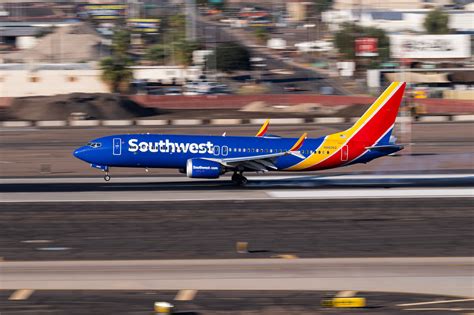
Expanding into long-haul routes and premium services brings operational complexities. Southwest’s current fleet, composed exclusively of Boeing 737 aircraft, limits its range and capacity for transatlantic missions. Should the airline pursue European operations, significant fleet diversification will be inevitable.
Industry insiders speculate that Southwest may consider introducing longer-range aircraft, such as the Boeing 737 MAX 10 or even wide-body options. However, such decisions entail substantial capital expenditures, regulatory hurdles, and pilot training investments.
Simultaneously, implementing assigned seating requires reconfiguring internal processes, digital booking systems, and customer service protocols. Transitioning from open seating to a structured seating model represents a cultural shift both for employees and passengers accustomed to Southwest’s traditional boarding rituals.
The Road Ahead: Balancing Innovation with Identity
As Southwest Airlines charts this new course, its leadership remains steadfast in aligning growth initiatives with customer needs. The introduction of premium services, expanded fare classes, and potential long-haul flights signal a willingness to innovate. Yet, preserving operational efficiency, cost control, and customer goodwill will be paramount.
Market watchers will closely observe how these changes unfold, particularly regarding passenger response to higher baggage fees, assigned seating, and more restrictive fare options. Success hinges on Southwest’s ability to seamlessly integrate these elements without diluting the brand equity it has cultivated for over five decades.
In an era where air travelers increasingly demand personalization, comfort, and global connectivity, Southwest’s evolution reflects a broader industry trend. Whether the airline can maintain its hallmark affordability while competing in premium and international markets remains to be seen. One certainty is clear: the days of Southwest as a purely domestic, no-frills carrier are rapidly coming to an end.
As the airline enters this pivotal chapter, passengers and competitors alike will witness a transformation that could redefine not just Southwest’s trajectory, but the competitive dynamics of the global aviation market.