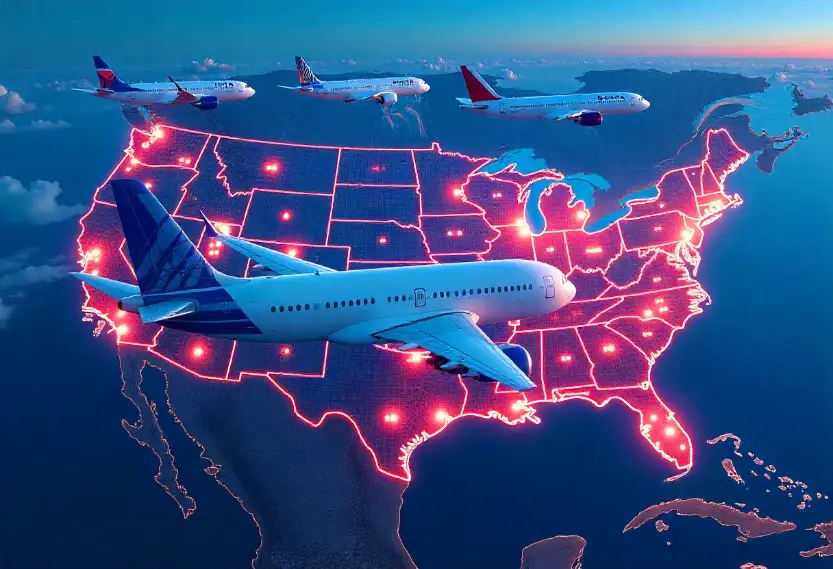
In a rapidly evolving aviation industry, United Airlines, Delta, American, and Southwest Airlines are implementing significant changes to their domestic flight pricing and services. As competition intensifies across the skies, these major carriers are responding with innovative strategies designed to attract both budget-conscious travelers and business customers seeking enhanced services. This article explores the implications of these transformations and what travelers should expect moving forward.
The Rise of Budget-Friendly Business Travel Options
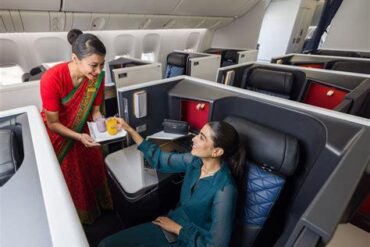
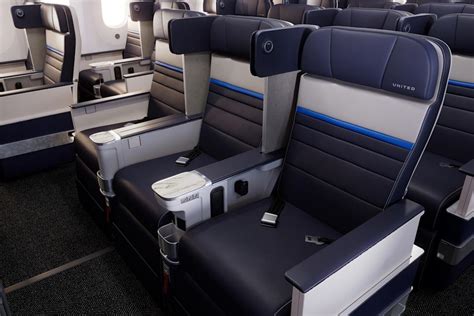
One of the most noteworthy developments is United Airlines’ consideration of a new Basic Business class. This concept, mirroring a similar initiative by Delta, aims to offer the comfort of business-class seating without the traditional perks associated with it. For many travelers, especially those who prioritize cost over luxury, this shift could prove beneficial.
By introducing a Basic Business class, United Airlines is attempting to broaden access to its premium seating. This means that more travelers may have the opportunity to enjoy the spaciousness and comfort of business-class seats, albeit without benefits like lounge access, priority boarding, or complimentary meals. While some frequent flyers may view this as a dilution of the business-class experience, many occasional travelers may welcome the chance to fly in a more comfortable environment at a lower price point.
Understanding the Shifting Pricing Dynamics of One-Way Flights
In addition to adjustments in class offerings, airlines are also reshaping their pricing structures for domestic flights. A recent study by Thrifty Traveler revealed a surprising trend: one-way flights are often more expensive than round-trip fares. This phenomenon, referred to as the one-way flight penalty, indicates a shift in how airlines approach pricing.
The study analyzed over 1,000 domestic flights and found that, in more than half of the cases, passengers paid significantly higher fares for one-way tickets. For example, Delta was shown to charge more for one-way flights on approximately 66.5% of its routes. This discrepancy is particularly pronounced on certain days of the week, notably Fridays and Sundays, when demand surges.
The reasons behind this trend are multifaceted. Airlines are increasingly employing dynamic pricing strategies, which allow them to adjust fares in real-time based on demand and booking patterns. By doing so, they can maximize profitability, often at the expense of travelers who may be looking for flexibility in their travel plans. This shift away from flexible fare options suggests that airlines are incentivizing round-trip bookings, thus altering consumer behavior in the process.
The Impact of Competition on Service Offerings
As United, Delta, American, and Southwest vie for market share, the competitive landscape is prompting them to rethink service offerings as well. The introduction of Basic Business classes and alterations in pricing strategies are just the beginning. Airlines are increasingly recognizing that travelers are not just looking for the lowest fare; they are also seeking value and convenience in their travel experiences.
For instance, Southwest Airlines, known for its no-frills approach, has been exploring ways to enhance customer service while maintaining its low-cost structure. By focusing on customer satisfaction, Southwest aims to differentiate itself from its competitors, who are navigating a more complex pricing model. This strategy could lead to innovations in customer service that benefit passengers, such as improved loyalty programs or unique in-flight experiences.
The Broader Implications for Travelers
With these changes unfolding, travelers need to be vigilant and informed about how these shifts might affect their journeys. The introduction of Basic Business classes may create opportunities for more affordable business-class travel, but it also necessitates a reevaluation of what passengers should expect when flying in this category. Frequent travelers may need to adjust their expectations regarding the amenities and services they receive, while casual flyers may find themselves with newfound options for comfort at a reduced cost.
Moreover, the one-way flight penalty underscores the importance of strategic planning when booking flights. Travelers should weigh their options carefully and consider the potential financial impact of choosing one-way versus round-trip fares. Understanding the nuances of airline pricing will empower consumers to make informed decisions that align with their travel needs.
The Resilience of the Travel Industry
In light of these changes, the travel industry continues to exhibit resilience, adapting to both market demands and shifting consumer preferences. However, recent events, such as the devastating fire that engulfed the Grand Canyon Lodge, serve as poignant reminders of the fragility of the travel landscape.
This historic lodge, a beloved destination for generations, faced destruction from wildfires that have ravaged parts of the North Rim. The loss of such a landmark highlights the deep emotional connections travelers forge with destinations and the significance of preserving these experiences. As recovery efforts progress, the travel community remains hopeful that the lodge will one day reopen, allowing visitors to reconnect with the breathtaking beauty of the Grand Canyon.
Conclusion: Navigating the Future of Air Travel
As United Airlines, Delta, American, and Southwest Airlines continue to innovate and adapt, travelers must stay informed and flexible. The emergence of Basic Business classes and the evolving dynamics of flight pricing signal a shift towards a more segmented market. While these changes may bring about new opportunities for affordable travel, they also challenge travelers to reassess their expectations and strategies. Ultimately, as the industry continues to evolve, so too must the traveler, embracing change while seeking out the best possible experiences in the skies.